Masala: The Heart of Indian Flavor and Spice Blends
When you hear masala, a blend of ground spices used across Indian cooking to build deep, layered flavor. Also known as spice mix, it's not a single recipe—it's a family of combinations, each shaped by region, dish, and tradition. You might think of it as just curry powder, but that’s like calling all bread sourdough. Masala can be simple—just cumin and coriander—or complex, with twenty spices toasted, ground, and balanced by hand. It’s what turns plain rice into biryani, plain lentils into dal makhani, and a simple dosa into something unforgettable.
Behind every great Indian dish is a garam masala, a warm, aromatic blend typically including cinnamon, cardamom, cloves, and black pepper. Also known as hot spice mix, it’s added at the end of cooking to preserve its fragrance. Then there’s curry powder, a British-influenced blend designed for export, often including turmeric, cumin, and fenugreek. Also known as commercial spice mix, it’s convenient but rarely matches the depth of homemade masala. These aren’t interchangeable. Using curry powder in place of garam masala in a biryani? You’ll lose the warmth. Skipping black cardamom in a chicken masala? The flavor flatlines. The right masala doesn’t just add spice—it lifts the whole dish.
And it’s not just about the spices. How you use them matters. Toasting them in oil releases oils that carry flavor. Grinding them fresh changes the texture and intensity. Even the order you add them—cumin first, then chili, then garam masala at the end—makes a difference. That’s why recipes like dosa batter or biryani rice rely so heavily on precise masala timing. It’s not magic. It’s method.
Look at the posts here. You’ll find people asking why their biryani tastes flat (hint: missing garam masala at the finish). Or why their curry is bitter (too much fenugreek, not enough balancing sugar). Others are fixing dosa batter by tweaking the spice mix in the fermentation stage. This isn’t random. It’s all connected. Masala is the invisible thread running through every recipe—whether it’s a simple dal or a layered biryani. You don’t need fancy tools. You don’t need imported ingredients. Just the right mix, the right heat, and the right moment to add it.
Below, you’ll find real questions, real fixes, and real results from people who learned the hard way. No fluff. No theory. Just what works—and what doesn’t—when it comes to getting masala right in your kitchen.
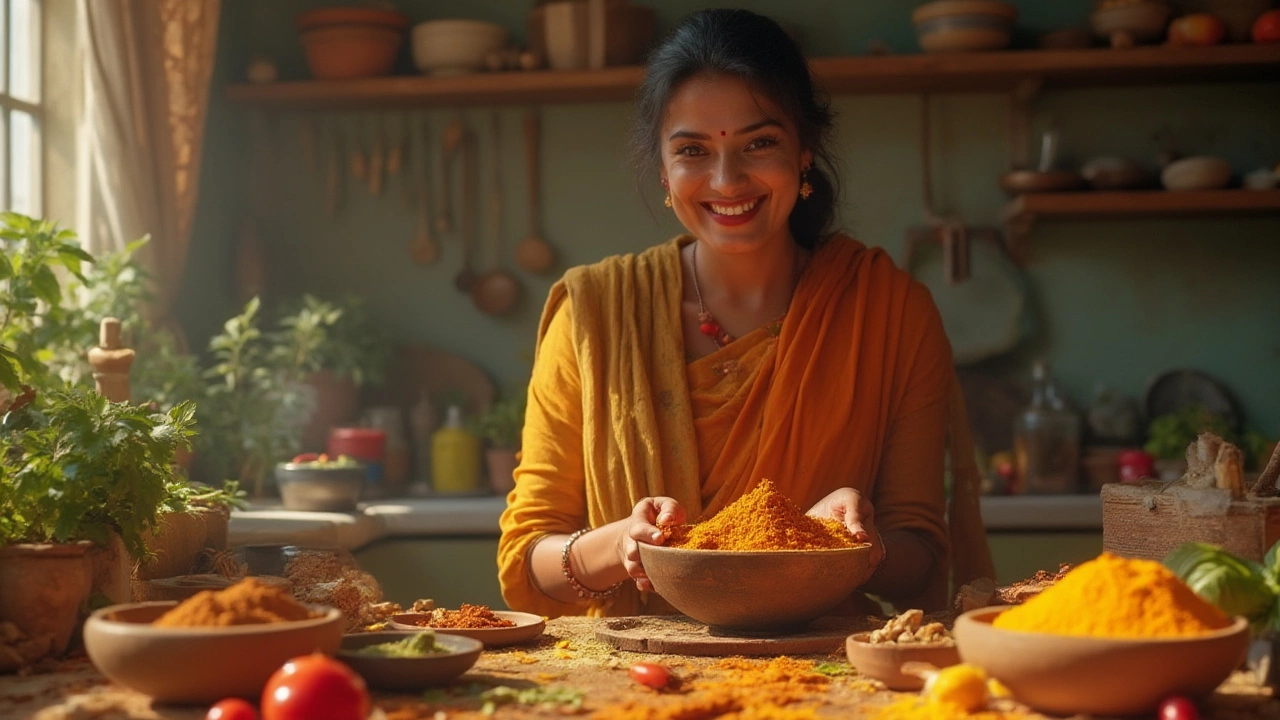
Curry Powder vs Masala: Can You Really Swap Them in Indian Cooking?
Wondering if you can use curry powder instead of masala? Get real answers, practical tips, and the real science behind spice blends and substitutions in Indian cooking.
learn more