Making Dal: Simple Tips for Perfect Lentil Curry Every Time
When you think of everyday Indian food, dal, a simple, nourishing lentil stew that’s cooked daily in millions of Indian homes. Also known as dhal, it’s the quiet hero of the plate—served with rice, roti, or dosa, and often the first thing a child learns to eat. It’s not fancy, but get it right, and it becomes comfort in a bowl. Skip the basics, and you’re left with mush, blandness, or worse—stomach trouble.
Making dal isn’t just about boiling lentils. It’s about lentils, the dried seeds of legume plants like urad, toor, or moong, each with its own texture and cooking time. Some need soaking overnight. Others cook fast but need a pinch of baking soda to soften. The right spice mix—cumin, turmeric, dried red chilies, and curry leaves—makes all the difference. And if you’ve ever felt bloated after eating dal, you’re not alone. That’s why flatulence-free dal, a method that uses soaking, pressure cooking, and digestive spices like asafoetida to reduce gas is a game-changer. You don’t need to give up dal. You just need to cook it smarter.
What you’ll find here aren’t just recipes. These are real fixes from people who cook dal every day. Why does your dal taste flat? Maybe you skipped tempering the spices. Why does it take forever to cook? Maybe you didn’t rinse the lentils well. Why does it stick to the pot? Maybe you used too little water. Each post below tackles one of these small but critical mistakes. From the perfect water-to-lentil ratio to how to use a pressure cooker without turning your dal into glue, you’ll find the answers that actually work.
This isn’t about fancy ingredients or complicated steps. It’s about making dal that’s tender, flavorful, and easy on your stomach—exactly how it’s done in homes across Mysore and beyond. Whether you’re new to Indian cooking or just tired of soggy, gassy dal, what follows will help you get it right, every time.
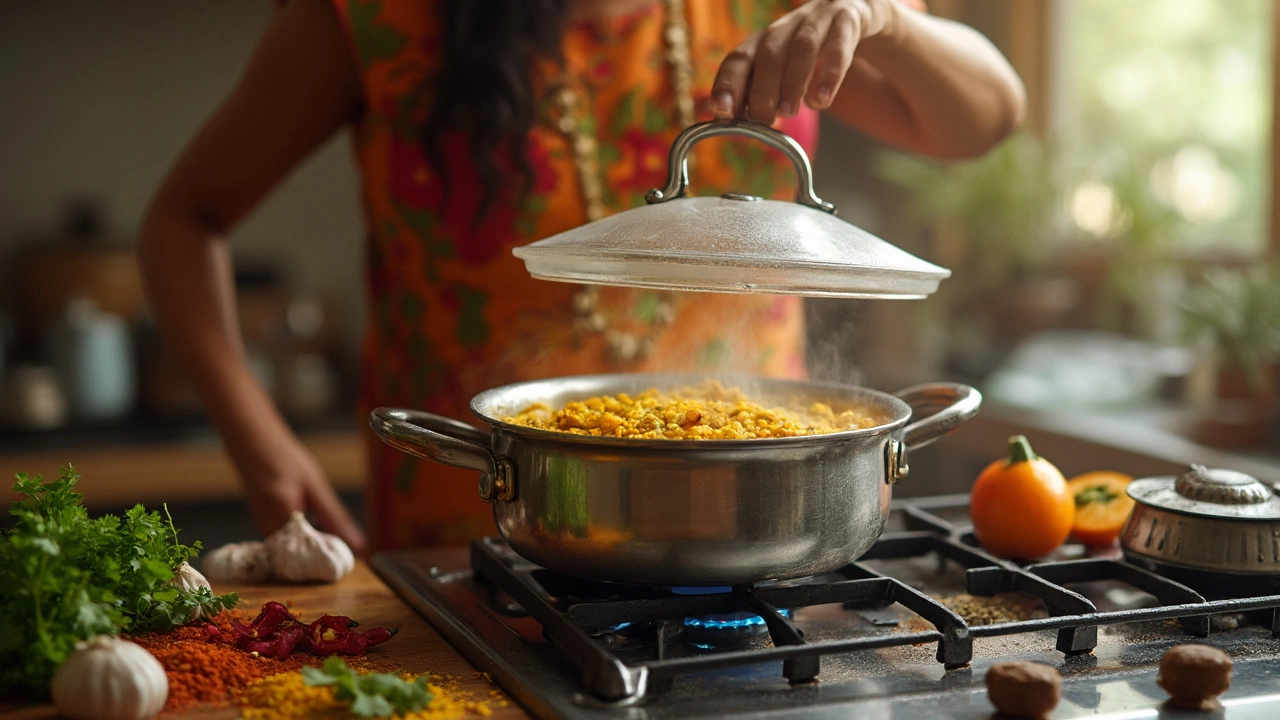
Do You Cover Dal When Cooking? A Straight Answer for Perfect Dal
A lot of people wonder if they should cover dal when cooking, but it's not as simple as yes or no. This article breaks down exactly when to cover your dal, when to keep it open, and what difference it really makes. You'll find out how covering or uncovering affects texture, flavor, and consistency. There are also a few handy tips for common mistakes and quick fixes. If you want your dal to turn out just right every time, read on.
learn more