Legality in Indian Cooking: What You Can and Can't Do in the Kitchen
When you share a legality, the rules governing how recipes and cooking methods can be used, shared, or sold. Also known as food copyright, it matters more than you think—especially when you’re posting a dosa recipe online or selling a chutney guide. Many think if a dish comes from a family kitchen or an old cookbook, it’s free for anyone to use. But that’s not always true. In India, traditional recipes themselves aren’t copyrighted—you can’t own the idea of idli or biryani. But the way someone writes about them—the exact steps, the unique phrasing, the photos, the structure—that’s protected. If you copy a blog’s step-by-step guide word-for-word, even if the dish is centuries old, you’re breaking the law.
Then there’s food safety, the legal standards for preparing and storing food, especially when selling or sharing it publicly. If you’re making paneer butter masala for friends, no problem. But if you’re selling it at a local market or posting a video saying "this is my restaurant recipe," you need to follow basic hygiene rules. The FSSAI (Food Safety and Standards Authority of India) doesn’t care if your curry tastes amazing—if your utensils aren’t clean or your ingredients aren’t stored right, you’re at risk. And if someone gets sick because of your recipe, the legal trouble isn’t just about money—it’s about responsibility.
Another big piece? recipe usage, how you’re allowed to use, adapt, or profit from someone else’s cooking instructions. You can tweak a biryani recipe you found online. Swap in coconut milk instead of cream. Add more cumin. That’s fine. But if you take that same recipe, rename it "My Secret Family Recipe," and sell it as your own? That’s plagiarism. And it’s not just unethical—it’s legally risky. Blogs like this one invest time testing, photographing, and explaining each step. They’re not just sharing food—they’re sharing expertise. Respect that.
Some people ask: "Can I use a photo of my dosa from another site?" The answer is no—unless it’s labeled free to use. Even if you credit the source, using someone else’s image without permission is copyright infringement. Same goes for video clips, audio of sizzling spices, or even the layout of a recipe card. You can describe how to make it. You can take your own photo. But you can’t lift their work.
And what about traditional knowledge? Can a company patent a spice blend that’s been used in Mysore for 200 years? In theory, no—but sometimes they try. There have been cases where foreign companies tried to trademark "Mysore masala" or "South Indian chutney." Indian law now protects traditional foods through GI (Geographical Indication) tags. So if a product says "Mysore Pak," it must come from Mysore. That’s the law protecting culture, not just commerce.
So what does this mean for you? If you’re cooking at home? Go wild. Use any recipe you find. Adjust it. Make it yours. But if you’re sharing it publicly—on Instagram, a blog, YouTube, or selling it—you need to understand the line. Don’t copy. Don’t steal images. Don’t claim someone else’s work as your own. And if you’re selling food, follow basic safety rules. It’s not about stopping creativity. It’s about respecting the people who spent time figuring out how to make that perfect crispy dosa, or how to balance spice in biryani without burning your tongue.
Below, you’ll find real examples from this site that touch on these legal boundaries—what you can safely reuse, what needs credit, and what’s protected. No guesswork. Just clear, practical info so you cook with confidence—and stay on the right side of the law.
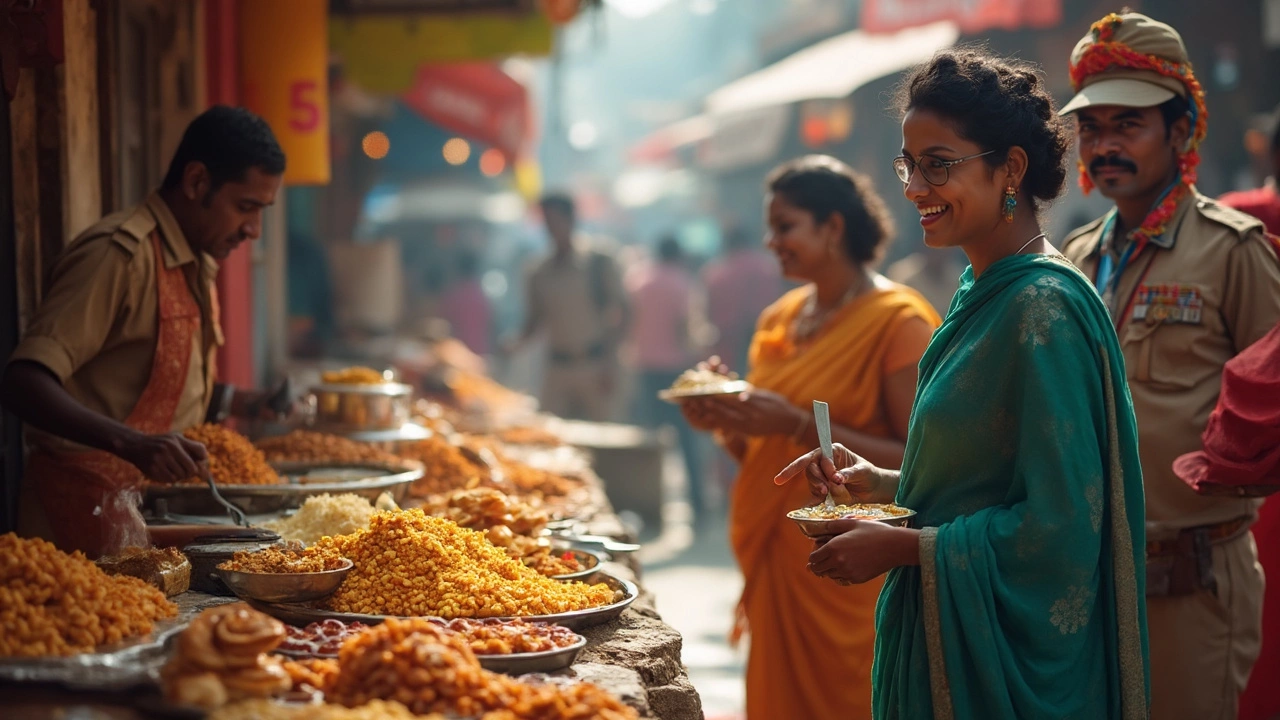
Is Street Food Illegal in India? What You Need to Know
Street food is a huge part of life in India, but many wonder if it’s actually legal. This article clears up confusion about the laws, explains where things get tricky for street vendors, and tells you why rules around cleanliness and licenses matter. You’ll learn some surprising facts about how cities deal with hawkers and what risks you might face as a customer. Plus, there are tips on how to enjoy street food safely and find the best eats without breaking any rules.
learn more