Junk Food: What It Really Means and How Indian Kitchen Staples Compare
When we say junk food, food that’s high in calories, sugar, salt, or unhealthy fats but low in nutrients. Also known as processed snack food, it’s designed to feel rewarding in the moment but doesn’t fuel your body well over time. Think fried chips, sugary sodas, packaged samosas from roadside stalls, or frozen parathas loaded with margarine. These aren’t just occasional treats—they’ve become part of daily eating habits, especially in cities. But here’s the thing: most of what Indians eat every day isn’t junk food at all. It’s rice, dal, roti, idli, upma, poha, and dosa. These aren’t just traditional—they’re nutrient-dense, made from whole grains, legumes, and spices that actually help your body work better.
Compare that to a bag of chips. One serving has more sodium than your body needs for a whole day, zero fiber, and almost no protein. Meanwhile, a plate of idli with coconut chutney gives you fermented rice and lentils—easy to digest, full of good bacteria, and packed with plant-based protein. Even something like a samosa, if made at home with whole wheat dough and baked instead of fried, stops being junk and becomes a smart snack. The problem isn’t the food itself—it’s how it’s made, how often it’s eaten, and what it replaces. When you swap your morning poha for a sugary cereal bar, or your evening dal rice for a packet of nachos, you’re not just changing flavor—you’re changing how your body feels hours later.
Indian kitchens have spent centuries perfecting food that keeps people energized without crashing. Fermentation in dosa batter, slow-cooked lentils with turmeric, spices like cumin and asafoetida that aid digestion—these aren’t trends. They’re science-backed habits passed down through generations. You won’t find a single ingredient in traditional South Indian meals that’s labeled ‘artificial flavor’ or ‘hydrogenated oil.’ And that’s not nostalgia. That’s nutrition. The posts below dig into exactly what makes Indian food different: why dosa batter needs to ferment, how turmeric fights inflammation, why lemon in biryani isn’t optional, and how chutneys aren’t just condiments but flavor-balancing tools. You’ll also see what happens when these traditions get replaced by shortcuts. This isn’t about guilt. It’s about awareness. And by the end, you’ll know exactly what to reach for—and what to leave behind.
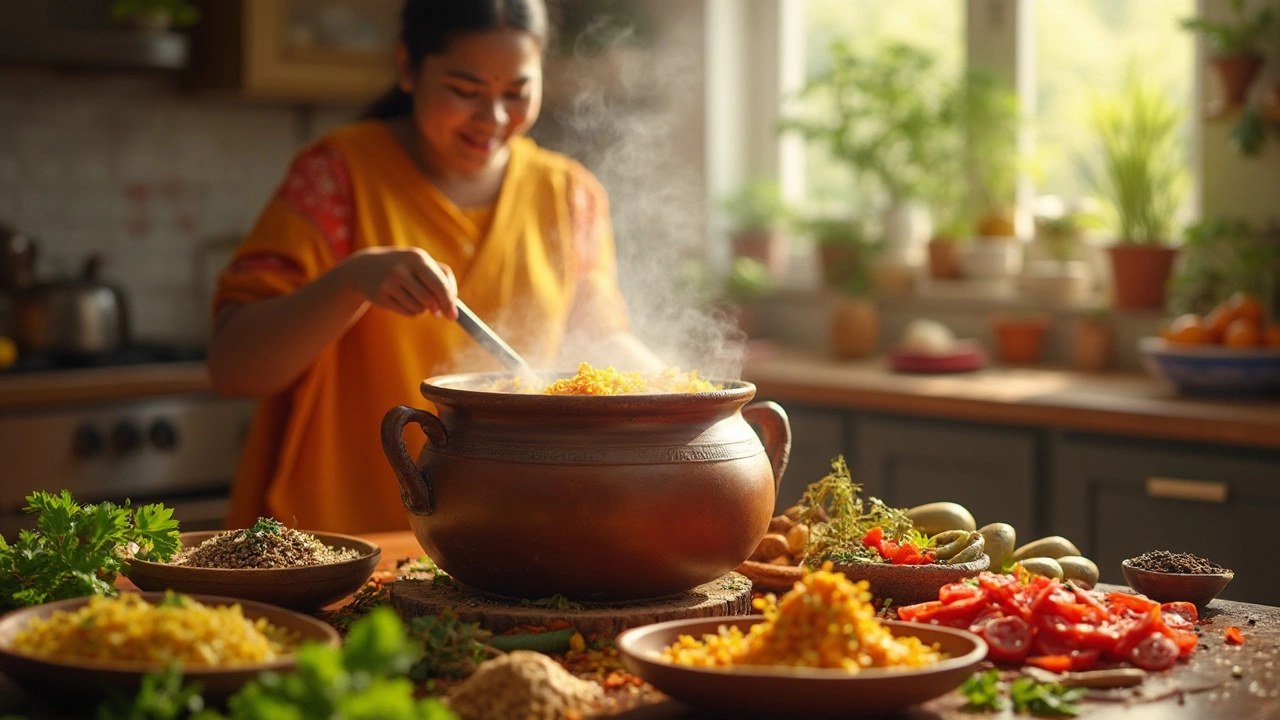
Is Dal Healthy or Junk Food? Simple Truths for Everyday Cooking
Wondering if dal is actually good for you, or if it belongs in the junk food pile? This article dives into what makes dal healthy, busts some common myths, and shows easy ways to keep it nutritious. You'll get the facts, practical cooking tips, and a look into how dal fits into a balanced diet. Plus, find out which habits can quietly turn your humble dal from health hero to heavy junk food. It’s surprisingly simple to keep your dal on the healthy side.
learn more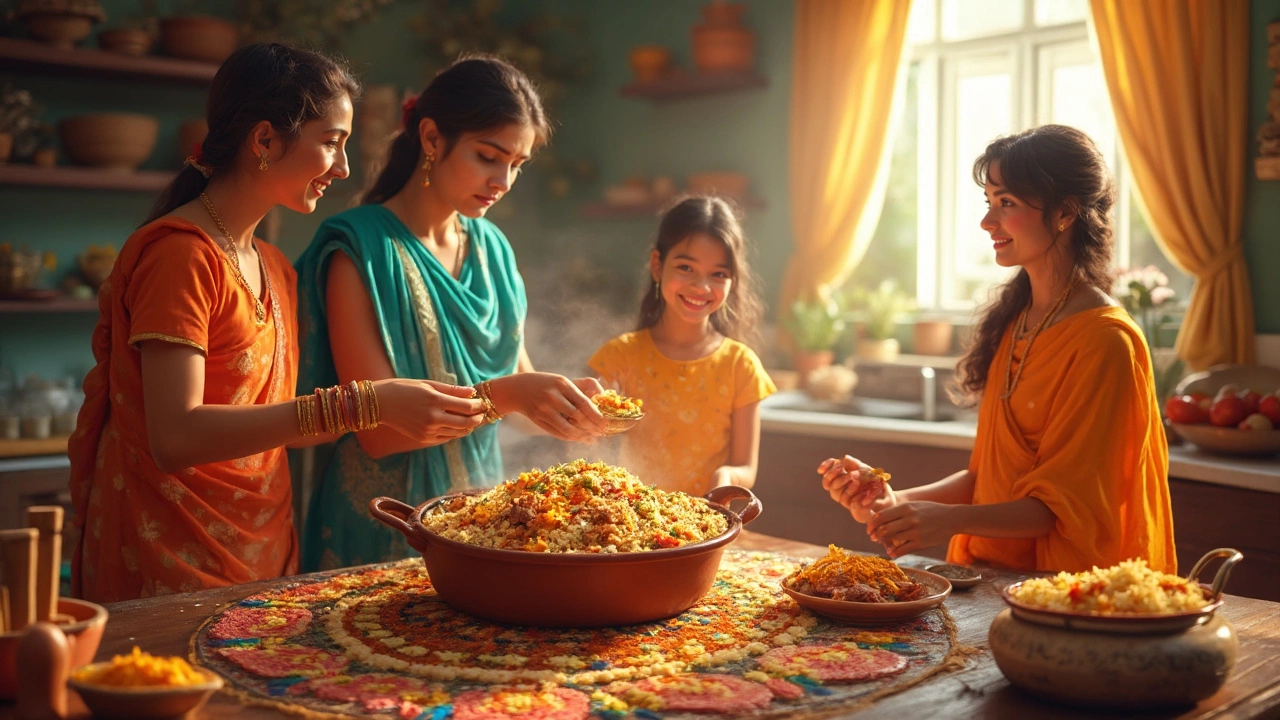
Is Biryani a Junk Food? Unpacking the Truth Behind This Delicious Dish
Biryani is a popular dish known for its rich flavors and cultural significance. This article explores whether biryani can be classified as junk food or a healthy option, considering its ingredients and preparation methods. Discover how to make healthier biryani without compromising taste. Learn tips to enjoy this beloved dish in moderation. The article also shares some interesting facts about the diversity of biryani across different regions.
learn more