Jesus: What This Tag Means on a Mysore Food Blog
When you see Jesus, a central figure in Christianity, often associated with religious symbolism, teachings, and cultural traditions. Also known as Christ, it is a name that appears in prayers, art, and sometimes, surprisingly, in the names of dishes or community events across India. It’s not what you’d expect on a blog about Mysore’s dosas and biryanis — and that’s the point.
This site doesn’t write about religion. But it does write about food — and food doesn’t live in a vacuum. In parts of South India, especially in communities with long-standing Christian traditions like Mangalore or parts of Karnataka, meals are shaped by faith. You’ll find South Indian cuisine, a regional food culture defined by rice, lentils, coconut, tamarind, and spice blends like garam masala served on feast days after church. Lentil stews replace meat during Lent. Coconut milk curries appear at Easter dinners. Even the way dosa batter ferments might be timed around Sunday services in some homes. The religious tags, labels used in digital content to group posts by cultural or spiritual themes you see here aren’t about doctrine — they’re about how people actually eat.
Look at the posts under this tag. You’ll find recipes for chutney made with roasted coconut and curry leaves, served alongside meals eaten after midnight Mass. You’ll see how Indian sweets, traditional desserts like jalebi, laddoo, or phool jhadi, often prepared for festivals and family gatherings are shared not just during Diwali or Holi, but also at Christmas in Christian households in Mysore. There’s no sermon here. Just real meals. Real people. Real kitchens where faith and flavor quietly overlap.
These aren’t religious recipes. They’re cultural ones. And culture doesn’t care about neat categories. If you’ve ever wondered why a recipe for paneer butter masala shows up beside a post about British chutney pairing — now you know. Food doesn’t follow tags. People do. And people eat what matters to them.
What you’ll find below isn’t theology. It’s truth. The kind that comes from a hot griddle, a simmering pot, and a family table where someone said a prayer before the first bite — whether they called it Jesus, Christ, or just Dad.
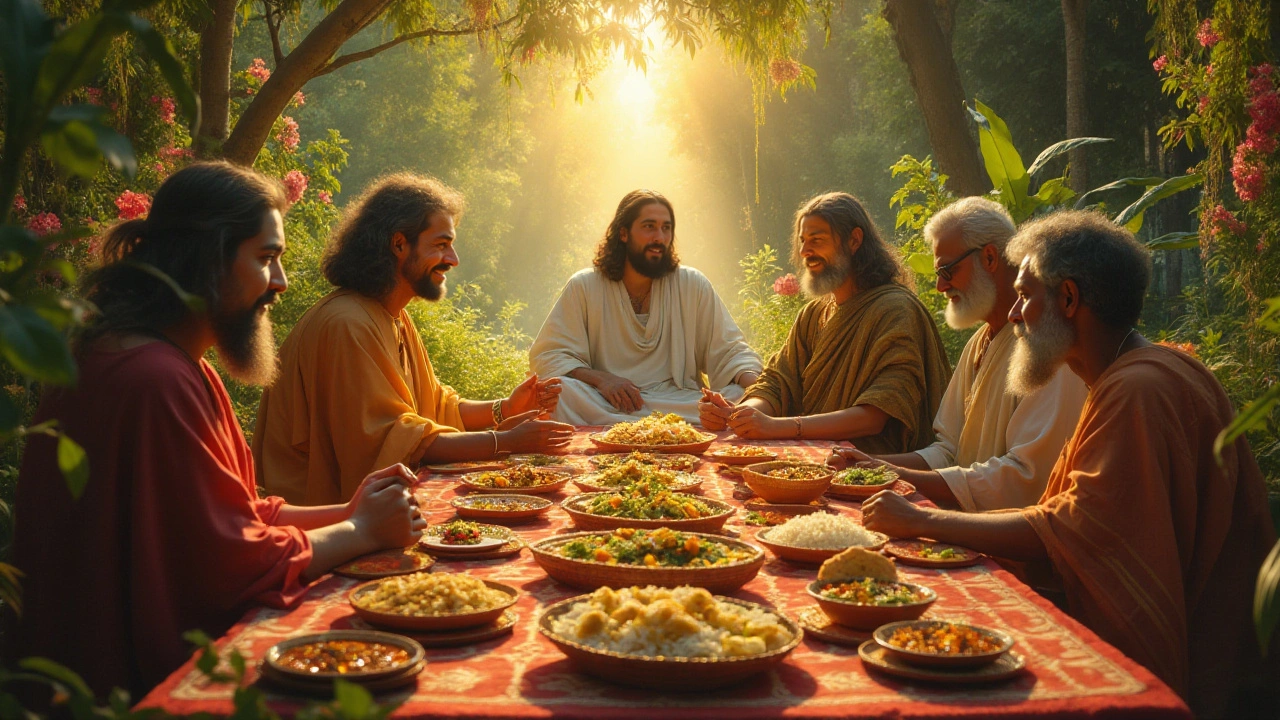
Exploring the Vegetarian Debate Around Jesus and Indian Dishes
The question of whether Jesus was vegetarian has intrigued many, sparking debates and discussions among historians and theologians. There are no direct references in religious texts, leading to varied interpretations of His dietary lifestyle. This article delves into this thought-provoking topic while introducing several delightful vegetarian Indian dishes. Learn about the possible connections between spirituality and vegetarianism, along with interesting culinary insights.
learn more