Is Paneer Healthy? Nutrition, Benefits, and Common Myths
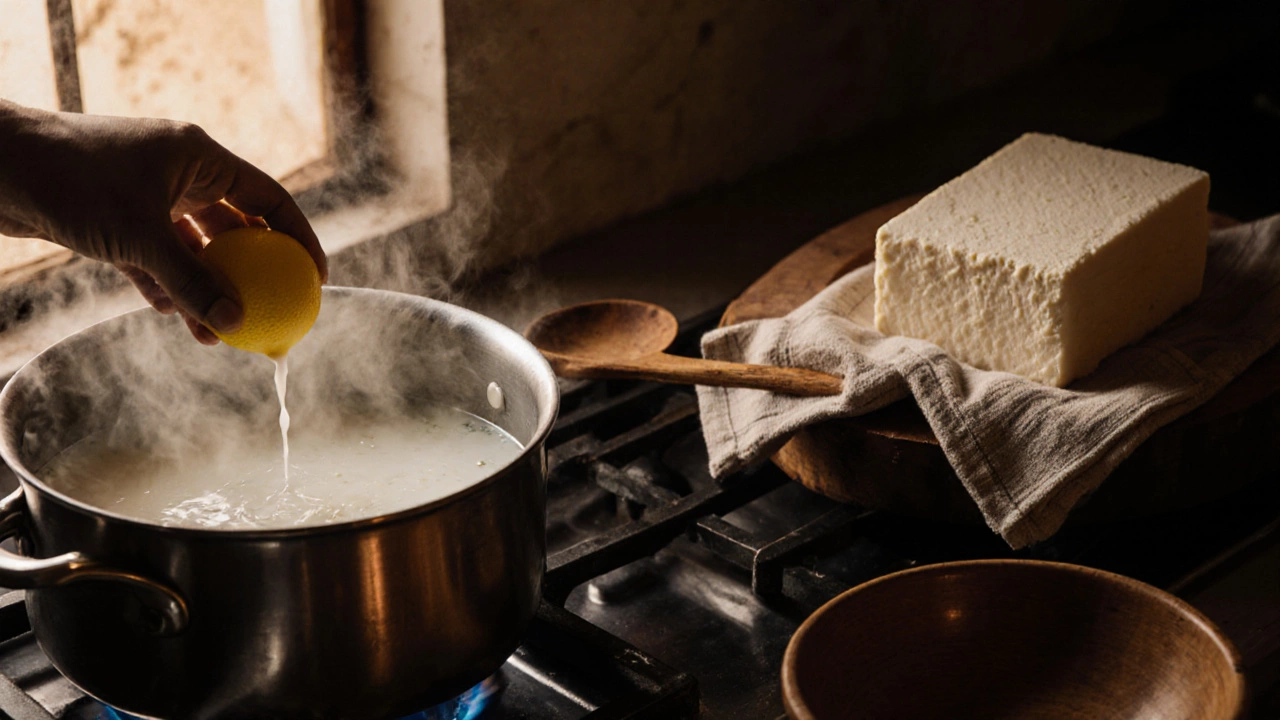
When you ask paneer, a fresh, unaged Indian cheese made by curdling milk with lemon juice or vinegar. Also known as Indian cottage cheese, it's a staple in homes from Delhi to Mysore, used in everything from butter masala to grilled skewers. Is paneer healthy? The answer isn’t just yes or no—it’s about how you use it. Unlike processed cheeses, paneer has no additives or preservatives. It’s made from just milk and acid, which means you know exactly what you’re eating. That alone makes it a better choice than most packaged cheeses you’ll find in supermarkets.
Paneer is packed with protein, a key nutrient for muscle repair and satiety. A 100-gram serving gives you about 18 grams of protein—more than an egg and close to chicken breast, without the fat or cholesterol. It’s also rich in calcium, essential for bone strength and nerve function, with nearly 200 mg per 100 grams. For vegetarians and vegans who avoid dairy alternatives, paneer is one of the few whole-food sources that delivers both protein and calcium in a single bite. And because it’s low in carbs, it fits well into low-carb or keto diets, unlike many other Indian foods that rely on rice or wheat.
But here’s the catch: not all paneer is created equal. Store-bought versions sometimes add cream or stabilizers to make them firmer and longer-lasting. That bumps up the fat and calories. Homemade paneer, made with whole milk and no extras, is leaner and more nutritious. If you’re watching your weight, go for low-fat milk when making it. If you’re building muscle, full-fat paneer gives you the extra calories you need. And if you’re lactose intolerant? Paneer is usually fine—it’s made by draining away most of the lactose-rich whey during curdling.
People often think paneer is heavy or hard to digest. It’s not. Compared to aged cheeses, it’s mild and easy on the stomach. Many Indians eat it daily—fried in sabzis, tossed in curries, or even grilled as a snack. It’s the star of Paneer Butter Masala, India’s most ordered vegetarian dish, not because it’s indulgent, but because it’s satisfying and nourishing. Pair it with roti, brown rice, or even a salad, and you’ve got a balanced meal that keeps you full for hours.
Some worry about cholesterol, but studies show that dairy fats from whole milk cheeses like paneer don’t raise bad cholesterol in most people when eaten in moderation. The real issue? What you eat with it. Fried paneer in creamy sauces? That’s where the calories pile up. Grilled or stir-fried with veggies? That’s a win. The science is clear: paneer itself isn’t the problem—it’s the cooking method.
Below, you’ll find real, tested advice on how paneer fits into everyday meals, how to pick the best kind, and what to avoid if you want to keep it healthy. Whether you’re new to Indian cooking or just curious about this cheese, these posts give you the facts—not the fluff.
Is Paneer Healthy? Benefits, Risks & Nutrition Facts
Discover if paneer is good or bad for you. Learn its nutrition, health benefits, risks, portion tips, and how it stacks up against tofu and Greek yogurt.
learn more