Indo-Caribbean Wedding Food: What It Is and How It Connects to Indian Cooking
When you hear Indo-Caribbean wedding food, a fusion of Indian spice traditions and Caribbean cooking styles born from 19th-century indentured laborers who brought their food culture to islands like Trinidad, Guyana, and Jamaica. Also known as Indian-Caribbean cuisine, it’s not just party food—it’s a living archive of survival, adaptation, and flavor. This isn’t a random mix of curry and jerk seasoning. It’s a deliberate, generations-deep blending of Indian staples like turmeric, cumin, and lentils with local ingredients like coconut, scotch bonnet peppers, and cassava. You’ll find roti wrapped around curried goat, dhal puri stuffed with split peas, and chutneys made from mango or tamarind—each bite carrying the weight of history.
The real connection? Indian chutney, a tangy, spicy condiment essential to South Indian meals and now a cornerstone of Indo-Caribbean feasts. Also known as Indian condiment, it’s the same base used in dosa and samosa stalls in Mysore, but in Trinidad, it’s served with fried plantains or jerk chicken. The chutney didn’t change much—it just traveled. And so did the South Indian breakfast, the daily ritual of idli, dosa, and upma that became weekend feasts in Caribbean homes. Also known as South Indian morning food, it’s still made with urad dal and rice, fermented the same way, but now often eaten with ackee or saltfish. These aren’t just recipes. They’re cultural anchors. When someone in Jamaica serves biryani at a wedding, they’re not copying a North Indian dish—they’re honoring the version their great-grandparents cooked in a clay pot over firewood, using the same 7-minute parboil for basmati rice.
What you won’t find in these dishes? Fancy garnishes or restaurant-style plating. Indo-Caribbean wedding food is messy, loud, and full of heart. It’s eaten with hands, shared on banana leaves, and seasoned with memories. The spice level? It’s not about heat for show—it’s about balance. Too much chili, and you lose the lentil depth. Too little, and the roti tastes flat. Just like in Mysore, where lemon lifts biryani and coconut milk won’t curdle if you add it slow, the rules here are simple: taste as you go, trust your gut, and never skip the chutney.
Below, you’ll find real recipes, fixes, and insights from kitchens that never stopped cooking. Whether you’re making dosa batter for a wedding or wondering why your curry isn’t sticking together, the answers are here—not as theory, but as lived experience.
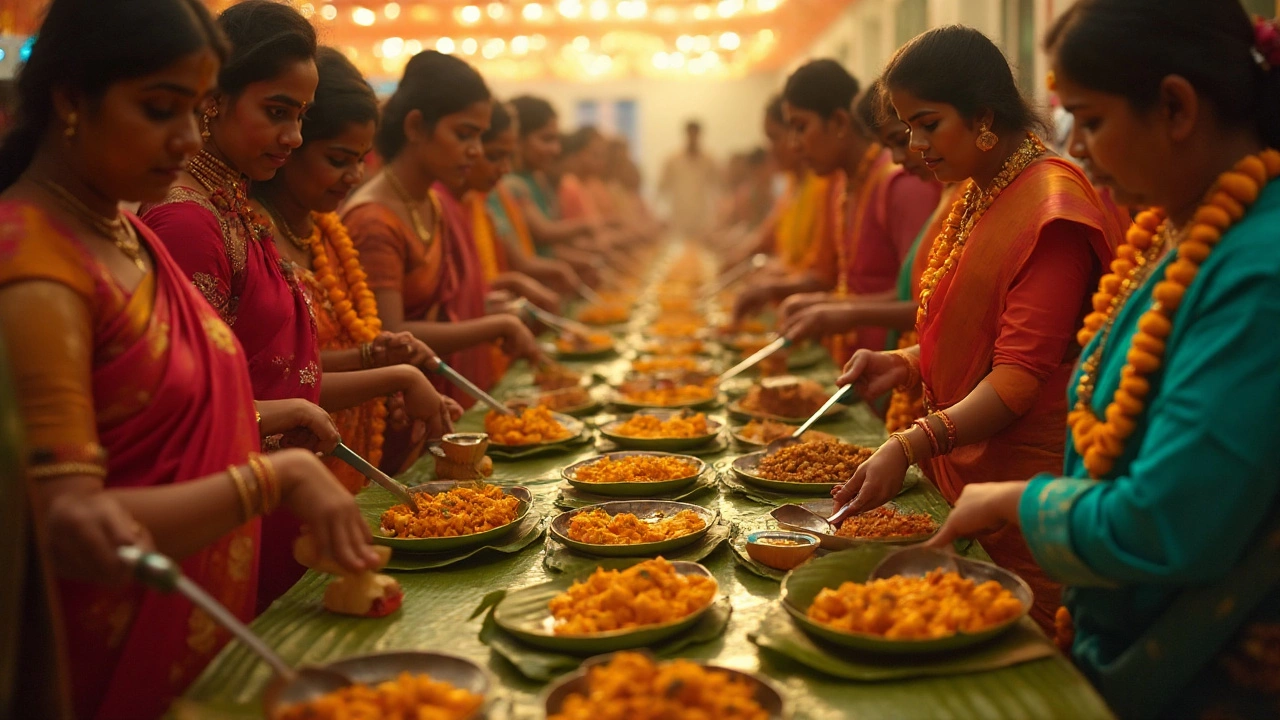
What Are the 7 Curries? The Classic Indo‑Guyanese Seven Curry Explained
Curious about the 7 curries at Indo‑Guyanese weddings? See the classic list, popular swaps, quick cooking playbook, quantities for guests, and serving traditions.
learn more