Indigenous Cuisine: Authentic Flavors of Mysore and South India
When we talk about indigenous cuisine, the food that grew out of local land, climate, and culture over centuries, not imported or adapted for tourism. Also known as traditional regional cooking, it’s what families in Mysore have eaten for generations—no fancy ingredients, no imported spices, just what the soil and season provided. This isn’t restaurant food. It’s the kind of meal your grandmother made with rice from the next village, lentils from the market stall, and curry leaves picked off the bush behind the house.
Indigenous cuisine in South India relies on a few core ingredients that show up again and again: urad dal, a small black lentil that ferments into the batter for dosas and idlis, tamarind, the sour backbone of chutneys and curries, and turmeric, the golden root that colors rice, dals, and medicines alike. These aren’t optional extras—they’re the foundation. You won’t find a traditional Mysore meal without them. And while modern kitchens use pre-made powders, the real thing is made fresh: ground by hand, soaked overnight, fermented in clay pots, and cooked over slow flames.
What makes this cuisine different from the curry you get in a city takeaway? It’s not about heat. It’s about balance. A simple dosa, a fermented rice and lentil crepe isn’t just a snack—it’s a daily ritual. The batter has to rise just right. The pan has to be hot enough. The oil has to be just enough. Skip any step, and you lose the soul of it. Same with biryani, a layered rice dish cooked slowly with spices and meat or vegetables. The lemon isn’t there for color. The rice isn’t boiled for convenience. Every step has a reason, passed down because it works.
You won’t find many recipes for indigenous cuisine in cookbooks written by outsiders. That’s because it’s not about following steps—it’s about understanding rhythm. When to add the mustard seeds. When to turn off the heat. How long to let the dal sit after cooking. These aren’t rules you read—they’re things you learn by watching, tasting, and doing. That’s why this collection of posts exists. Not to teach you how to cook like a chef, but how to cook like someone’s mother in Mysore.
Below, you’ll find real questions people actually ask: Why is my dosa soft? What’s the right ratio for idli batter? Why does biryani need lemon? How do you stop coconut milk from curdling? These aren’t theoretical. These are the problems people face when they try to make something real at home. And each answer comes from someone who’s done it a hundred times—no fluff, no gimmicks, just what works.
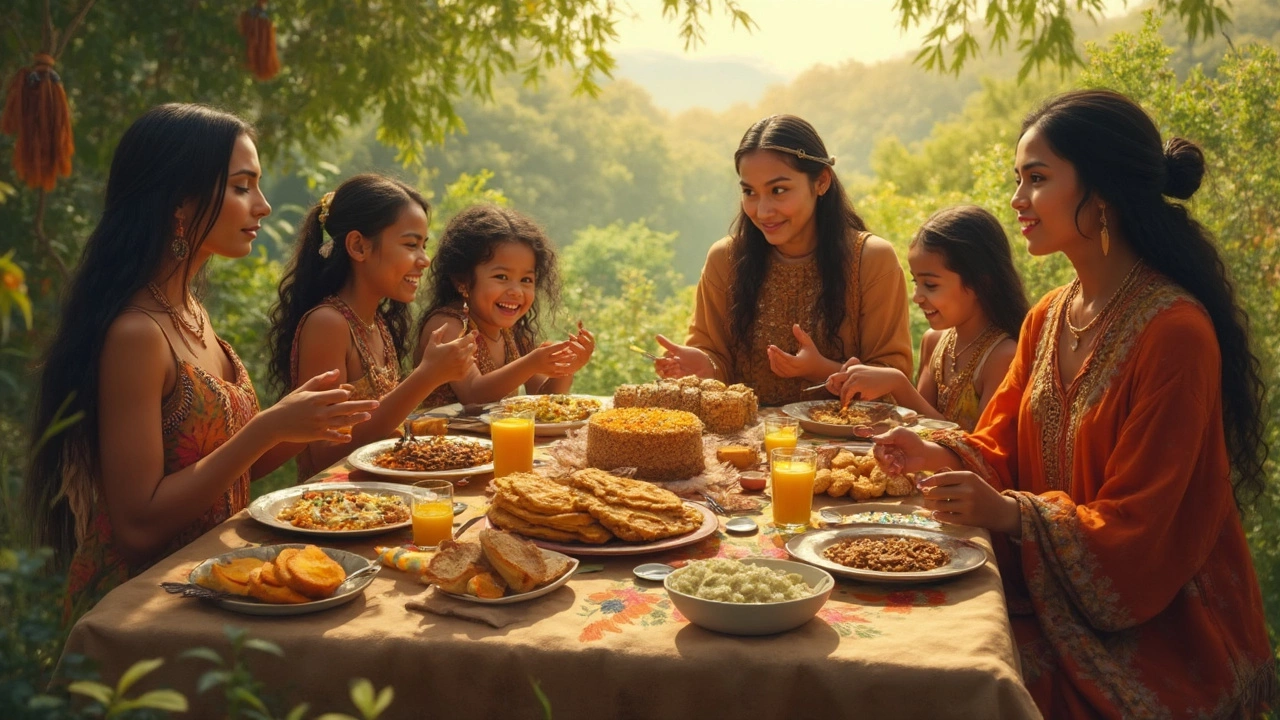
Native American Breakfast: A Glimpse into Tradition
Explore the diverse and nourishing breakfast traditions of Native American Indians. Discover not only the staple ingredients and recipes passed down through generations, but also the cultural significance behind these meals. This article delves into the unique flavors and ingredients that contribute to a rich breakfast culture. Learn practical tips on how to incorporate these nutritious and historic dishes into modern breakfast routines.
learn more