Indian Vegan Food: Simple, Flavorful Plant-Based Recipes from Mysore
When you think of Indian vegan food, plant-based meals from India that rely on legumes, grains, vegetables, and spices instead of dairy or meat. Also known as vegan South Indian cuisine, it’s not a trend—it’s centuries-old tradition built on what grows well in the region and what feeds families every day. Most people assume Indian food means ghee, paneer, and yogurt, but in Mysore and across South India, vegan meals have always been the norm. Dal, rice, coconut, lentils, and spices like turmeric and mustard seed form the backbone of meals that are nourishing, satisfying, and completely free of animal products.
It’s not about replacing dairy—it’s about working with what’s naturally abundant. Coconut milk, a creamy, rich liquid pressed from grated coconut flesh, used to thicken curries and add sweetness without dairy replaces cream in many curries. Urad dal, a black lentil fermented into batter for dosas and idlis, provides protein and structure without eggs or milk. And tamarind, a sour fruit pulp used to balance heat and depth in chutneys and sambar adds tang you’d normally get from yogurt or lemon. These aren’t substitutions—they’re the real ingredients that make the food work.
You won’t find fake meats here. The flavor comes from slow-toasted spices, properly fermented batter, and the way coconut oil sizzles on a hot griddle. A crispy dosa isn’t vegan because it lacks butter—it’s vegan because it’s made from rice and urad dal, water, and time. A bowl of sambar isn’t vegan because it skips ghee—it’s vegan because it’s built on toor dal, drumstick, and tamarind, simmered until the vegetables melt into the broth. This is food that doesn’t need to be fixed—it just needs to be understood.
Many of the recipes you’ll find below are the same ones passed down in Mysore homes for generations. They’re not complicated. They don’t need fancy tools. You don’t need a vegan cookbook to make them—you just need to know how to soak, ferment, and toast. Whether you’re looking for breakfast ideas like poha or upma, lunch staples like rice and dal, or snacks like coconut chutney and masala dosa, everything here is naturally vegan. No labels. No gimmicks. Just real flavor from real ingredients.
Below, you’ll find practical guides on how to get the texture right, why certain ingredients matter, and how to fix common mistakes—like a soft dosa or a curry that’s too thin. You’ll learn what makes a perfect batter, how to avoid curdling coconut milk, and why lemon in biryani isn’t optional. These aren’t just recipes. They’re the quiet wisdom of a cuisine that’s been feeding people well for centuries—without ever needing to use an animal product.
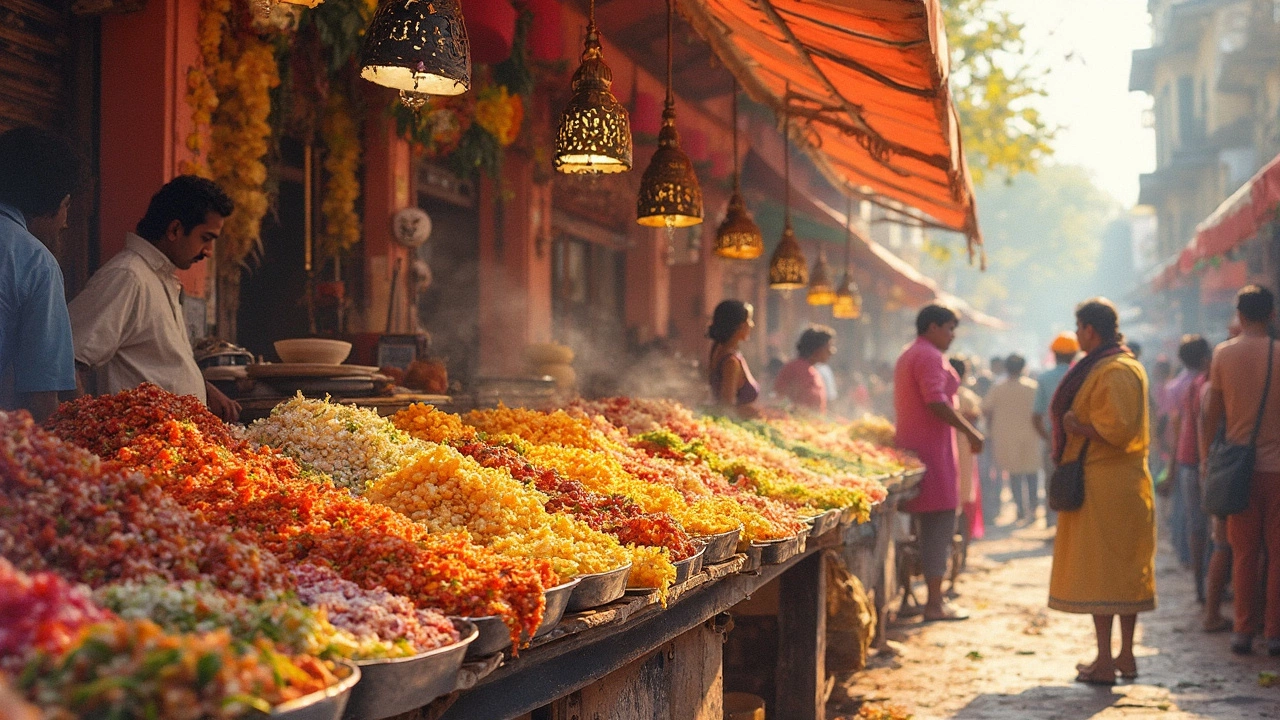
Discover the Vegan Delights of Indian Cuisine
Indian cuisine, with its rich tapestry of flavors and spices, offers a surprising number of vegan dishes. From crunchy snacks to hearty curries, many traditional recipes naturally exclude animal products. This article explores some popular Indian dishes that fit a vegan lifestyle. Whether you're new to veganism or just looking to add some variety to your meals, these delicious options will spice up your diet!
learn more