Indian Staple Foods: The Core Dishes That Feed a Nation
When you think of Indian staple foods, the everyday foods that form the foundation of meals across India, often centered around rice, lentils, and flatbreads. Also known as daily Indian staples, these foods aren’t just fuel—they’re culture, tradition, and comfort in one bite. You won’t find a single household in India that doesn’t rely on at least three of these: rice, lentils, and something made from fermented batter like dosa or idli. These aren’t fancy dishes. They’re the ones your grandmother made before sunrise, the ones that fill lunchboxes, and the ones that taste like home no matter where you are.
Rice, the most common grain in southern and eastern India, especially basmati and sona masoori is boiled, steamed, or parboiled for biryani and khichdi. Lentils, from toor dal to urad dal, are cooked into simple dals or ground into batter for dosas and vadas. And then there’s dosa, a thin, crispy fermented crepe made from rice and urad dal, served with coconut chutney and sambar. These three—rice, lentils, and dosa—form a triangle of sustenance. One feeds the body, one builds flavor, and one gives texture. They’re not optional. They’re non-negotiable.
Chutney might seem like a side, but it’s not. It’s the spark. Whether it’s tangy tamarind, spicy green chili, or coconut-based, it cuts through the heaviness of rice and dal. You’ll find chutney paired with everything—from breakfast dosas to evening snacks like samosas. And it’s not just about taste. It’s about balance. That’s why every Indian kitchen keeps at least two types on hand. You don’t need fancy ingredients. Just fresh curry leaves, garlic, ginger, and a little patience to grind it right.
These staples aren’t just eaten—they’re made with care. Fermenting batter overnight. Soaking lentils to reduce gas. Parboiling rice just right so it doesn’t turn mushy in biryani. These aren’t tricks. They’re habits passed down because they work. And that’s why you’ll find the same techniques in posts about dosa batter ratios, biryani rice timing, and how to fix soft dosas. The recipes here aren’t about complexity. They’re about getting the basics right.
There’s no single Indian meal without these. No festival, no weekday lunch, no early morning breakfast. They’re the quiet heroes of the kitchen. And if you’ve ever wondered why your curry feels flat, or your rice sticks together, or your dosa won’t crisp up—it’s because you’re missing the rhythm of these staples. The posts below show you how to fix that. Not with fancy tools. Not with imported spices. Just with the right understanding of what makes these foods work, and how to make them taste like they should.
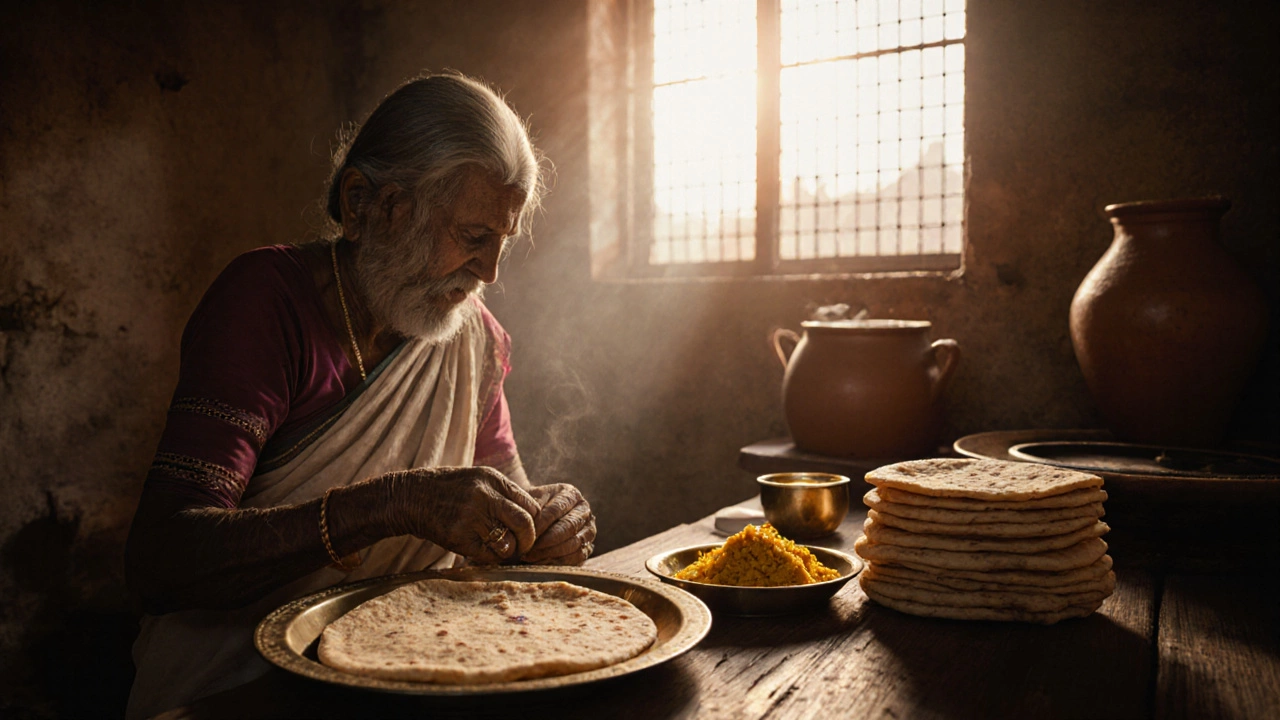
What food does India eat the most? The truth about daily Indian meals
India's most eaten foods aren't fancy dishes-they're simple, daily staples like roti, rice, dosa, and dal. These foods feed millions every morning and define the country's real eating habits.
learn more