Indian Spice Blend: The Heart of Authentic South Indian Flavors
When you think of Indian spice blend, a curated mix of ground spices used to build deep, layered flavor in South Indian dishes. Also known as masala, it's not just seasoning—it's the soul of the kitchen. Unlike pre-packaged curry powder, an authentic Indian spice blend is made fresh, toasted, and ground in small batches. It changes with the season, the dish, and the family recipe. This isn’t magic—it’s science. Heat unlocks oils. Toasting deepens aroma. Grinding releases compounds that turn simple ingredients into something unforgettable.
Every great curry, a dish built on a base of sautéed onions, garlic, and a spice blend that defines its character starts with this. Turmeric gives color and earthiness. Cumin adds smokiness. Coriander brings brightness. Cardamom and cinnamon weave in sweetness. And then there’s garam masala, a final-stage spice blend added at the end to preserve its volatile aromas. It’s not added at the start—it’s the finishing touch, like a last breath of perfume. You’ll find this in biryani, where the spice blend clings to rice and meat, and in chutneys, where it cuts through tanginess. Even dosa batter, a fermented mix of rice and urad dal that relies on subtle spice notes to enhance its natural tang uses a pinch of black pepper or mustard seeds in the grind.
What makes these blends work isn’t just the ingredients—it’s the order. Toasting cumin before adding turmeric? That’s not tradition for no reason. It’s chemistry. The heat changes how the spices interact with fat, water, and acid. Skip it, and your dish tastes flat. Use it right, and your kitchen smells like a street stall in Mysore at dawn. You don’t need a hundred spices. Just five or six, balanced well, and you’ve got more flavor than any bottled sauce can offer.
Look at the posts below. You’ll see how this same spice blend shows up in biryani, chicken curry, dosa, and even dal. It’s the thread tying everything together. Whether you’re fixing a soft dosa, balancing heat in biryani, or making paneer from scratch, the right spice blend makes the difference between okay and unforgettable. No fancy tools. No imported ingredients. Just good sense, a mortar and pestle, and a little patience. What you’re about to read isn’t a list of recipes—it’s a guide to understanding what makes Indian food taste like home, no matter where you are.
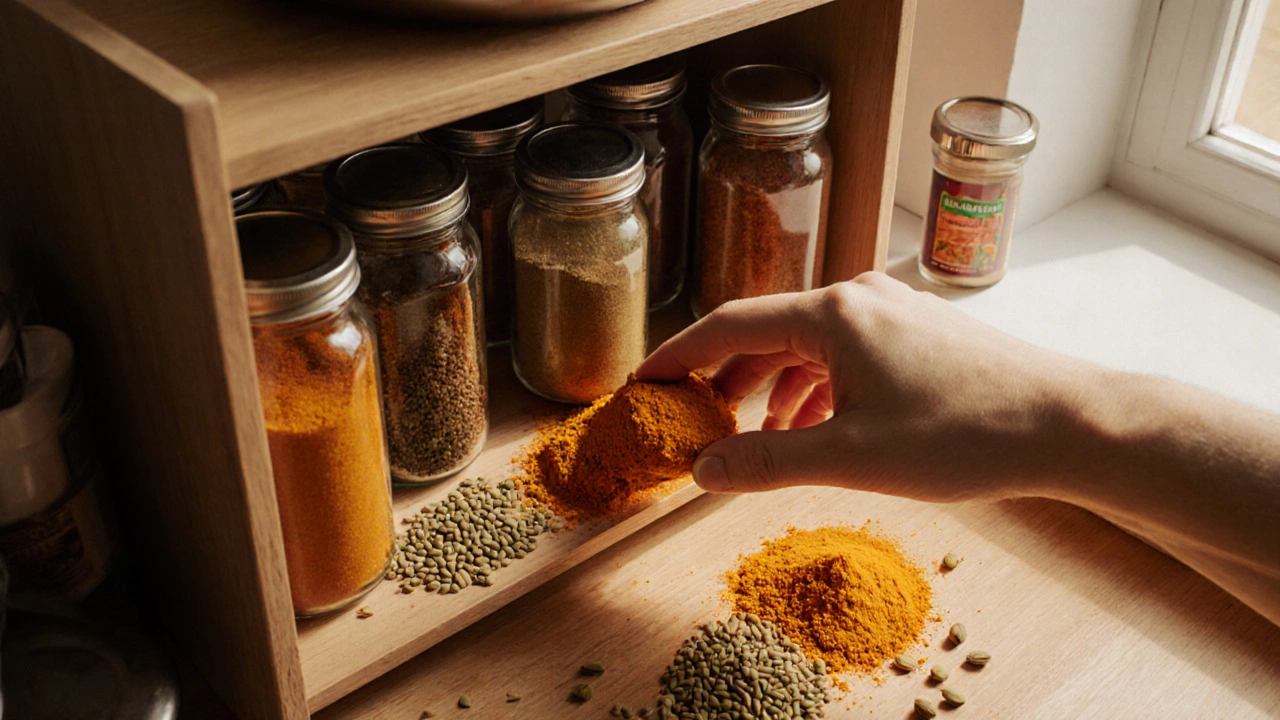
Best Spice Substitutes for Curry Powder - How to Pick the Right One
Learn which spices most closely resemble curry powder, how to blend your own substitute, and tips for using it in chicken curry dishes.
learn more