Indian Recipe: Authentic Flavors, Simple Steps, Real Results
When you think of an Indian recipe, a traditional dish from South India that uses specific spices, techniques, and ingredients passed down through generations. Also known as South Indian cooking, it's not about fancy tools or hard-to-find ingredients—it's about timing, temperature, and tradition. This isn’t the kind of cooking you learn from a 30-second TikTok clip. It’s the kind that lives in kitchens where moms test batter by dropping a spoonful in water to see if it floats, where grandmas smell the oil before adding cumin, and where lemon juice isn’t just a garnish—it’s the secret that keeps biryani rice from turning to mush.
Real dosa batter, a fermented mix of rice and urad dal that turns crispy when cooked on a hot griddle doesn’t come from a packet. It needs 12 hours of rest, the right ratio—1 part urad dal to 3 parts rice—and a warm spot to wake up. If your dosa is soft, it’s not the pan. It’s the batter. And if your curry spices, a blend of turmeric, cumin, coriander, and curry leaves that build flavor layer by layer taste flat, you’re probably skipping the step where you fry them in oil until they smell like a temple festival. That’s not optional. That’s the foundation.
Then there’s biryani rice, parboiled basmati grains that stay separate and fragrant even after hours of slow cooking. Boil it too long? You’ll end up with sticky rice. Too short? Hard centers. The sweet spot? 7 to 8 minutes. And don’t even think about skipping the lemon. It doesn’t add sourness—it lifts the whole dish. Same with chutney pairings, the tangy, spicy, or sweet condiments that turn simple snacks like samosas or idlis into full meals. You don’t just eat chutney. You use it. On cheese. On sandwiches. On leftover rice. It’s not an afterthought. It’s the punctuation mark in every bite.
You won’t find fake shortcuts here. No store-bought curry powder. No microwave dosa. No ‘just add water’ magic. What you will find are the exact steps that actually work—the ones tested in homes, not test kitchens. Why does your tandoori chicken dry out? Why does coconut milk split in your curry? Why does your lentil soup make you feel bloated? These aren’t mysteries. They’re mistakes. And they’re fixable.
Below, you’ll find the real answers—not theories, not opinions, but the kind of advice that comes from someone who’s burned a dozen batches of dosa batter, over-spiced biryani three times in a row, and finally got it right. No fluff. No filler. Just what you need to make your kitchen smell like Mysore.
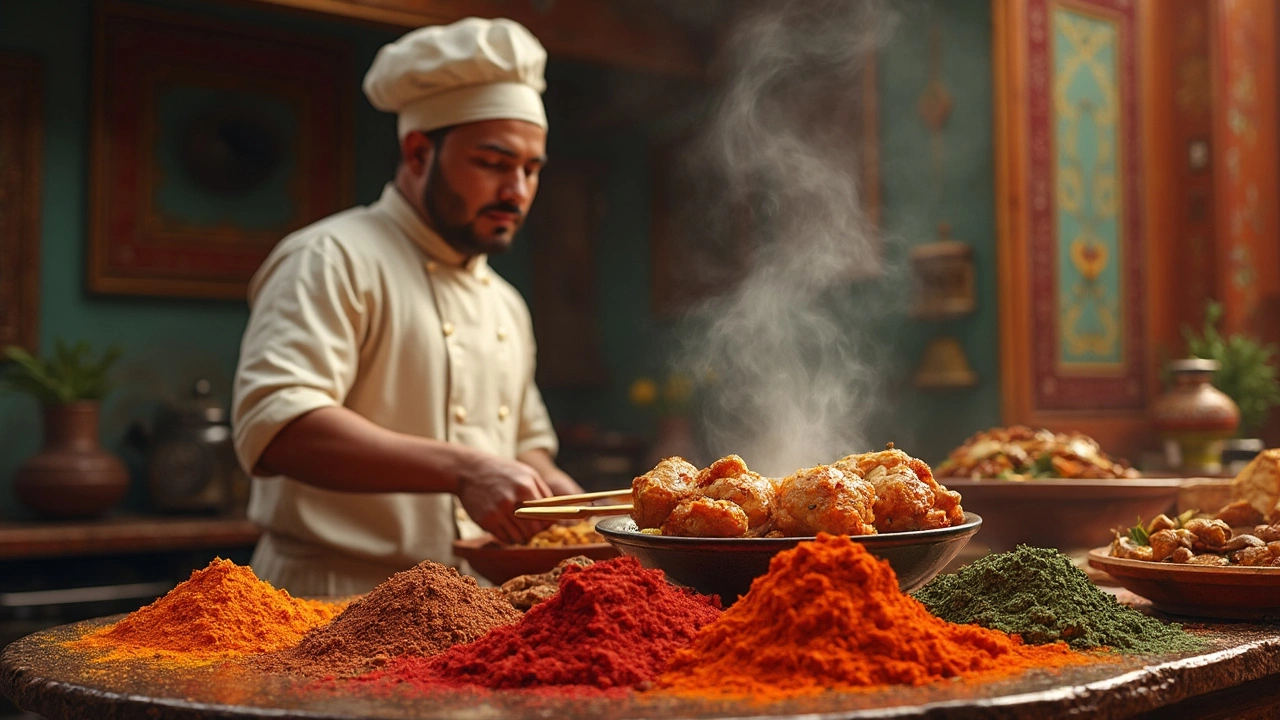
Why is Tandoori Chicken So Tasty?
Ever wondered why tandoori chicken has that irresistible taste? Dive into the world of Indian spices, cooking techniques, and secrets that make this dish a global favorite. Learn the key ingredients and methods behind its signature flavor and discover how you can recreate it at home.
learn more