Indian lentils: The heart of everyday meals and flatulence-free cooking tips
When you think of Indian food, you might picture spicy curries or crispy dosas—but the real daily hero is Indian lentils, a staple food made from dried, split pulses like masoor, toor, and urad dal, cooked into simple, nourishing dals that feed millions every day. Also known as dal, they’re not fancy, but they’re essential—eaten with rice, roti, or idli, and often the first solid food a child in India tastes. Unlike fancy dishes that show up on menus, Indian lentils show up on plates—every morning, every night, in every home. They’re cheap, packed with protein, and easy to cook. But they’re also the reason so many people swear off beans altogether—because if you don’t know how to handle them, they can make you feel bloated and uncomfortable.
That’s where urad dal, a black lentil used in dosa batter and sambar, known for its rich flavor and high fiber content comes in. It’s not just for batter—it’s one of the most common lentils in South India, and it’s also one of the hardest to digest if you skip the right prep. Then there’s dal, the general term for cooked lentils, often spiced with cumin, turmeric, and mustard seeds, and finished with a tempering of ghee and curry leaves. This isn’t just soup. It’s a flavor base, a comfort food, and a digestive aid—all in one bowl. The secret? Soaking, pressure cooking, and adding asafoetida. Skip those steps, and you’re asking for trouble. But get them right, and your body thanks you. You don’t need fancy tools. Just a pot, some spices, and a little patience.
What you’ll find in the posts below isn’t a list of recipes—it’s a guide to fixing what goes wrong. Why does your dal smell funny after reheating? Why does your dosa batter need urad dal but not make you gassy? How do you make lentils taste rich without adding cream or butter? These aren’t theoretical questions. They’re the ones real cooks ask every day. The posts here give you the answers—not from cookbooks, but from kitchens where people have been cooking dal for generations. You’ll learn how to stop gas before it starts, how to balance spice in dal without losing its soul, and why a pinch of turmeric isn’t just for color—it’s for your gut. No fluff. No gimmicks. Just what works.
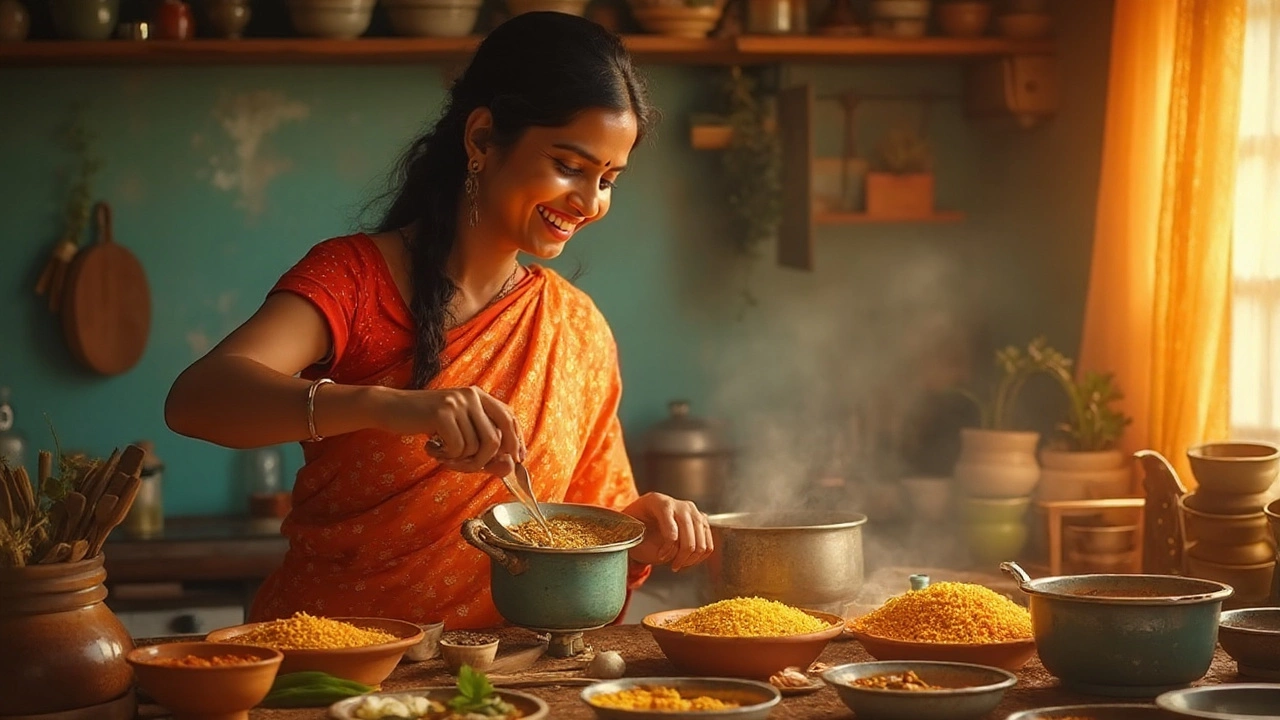
Which Dal Does Not Need Soaking? Fastest Indian Lentils to Cook
Discover which Indian dal does not need soaking, why, and how to cook it fast. Tips, table of cooking times, and expert advice for easy home meals.
learn more