Indian Fried Foods: Crispy Snacks, Street Favorites, and How to Get Them Right
When you think of Indian fried foods, a category of crispy, golden snacks made with batter, dough, or lentils and deep-fried to perfection. Also known as fritters and fried snacks, they’re not just side dishes—they’re the reason people wake up early, line up at street corners, and save space in their stomachs for lunch. These aren’t fancy restaurant dishes. They’re the kind of food your grandma made in a cast-iron pan, the kind that smells like cumin and hot oil the moment you walk into a South Indian home.
Behind every crispy dosa, a fermented rice and urad dal crepe that turns golden and crackling when fried on a hot griddle is a batter that had to rest overnight. Behind every vada, a spicy lentil donut fried until it’s crunchy outside and soft inside is a mix of soaked dal, chilies, and patience. And samosa, a triangular pastry stuffed with spiced potatoes and peas, isn’t just dough and filling—it’s the tension between crispness and steam, between frying too fast and not hot enough.
What makes these foods work isn’t just the recipe. It’s the heat of the oil, the thickness of the batter, the way the dough rests, and whether you used fresh curry leaves or stale ones. Too much water in your dosa batter? It turns soft. Not enough fermentation in your vada? It falls apart. Fry samosas on low heat and they soak up oil like a sponge. These aren’t guesses—they’re facts backed by decades of kitchen experience, passed down in households from Mysore to Madurai.
You’ll find posts here that cut through the noise. No fluff. No vague advice like "just fry until golden." Instead, you’ll learn why your dosa won’t crisp up, what ratio of urad dal to rice actually works, and how to stop your pakoras from turning greasy. You’ll see how lemon in biryani lifts flavor, how coconut milk curdles if you add it too early, and why blending onions changes your curry’s texture—all because these are the same principles that apply to frying too. The science of frying doesn’t change just because you’re making a snack instead of a main dish.
This collection isn’t about showing off exotic dishes. It’s about fixing what went wrong in your kitchen yesterday. It’s about understanding why that samosa you bought from the street vendor tasted better than yours—and how to make it better next time. Whether you’re frying for the first time or you’ve been at it for years, the answers here are simple, direct, and tested in real kitchens—not food blogs.
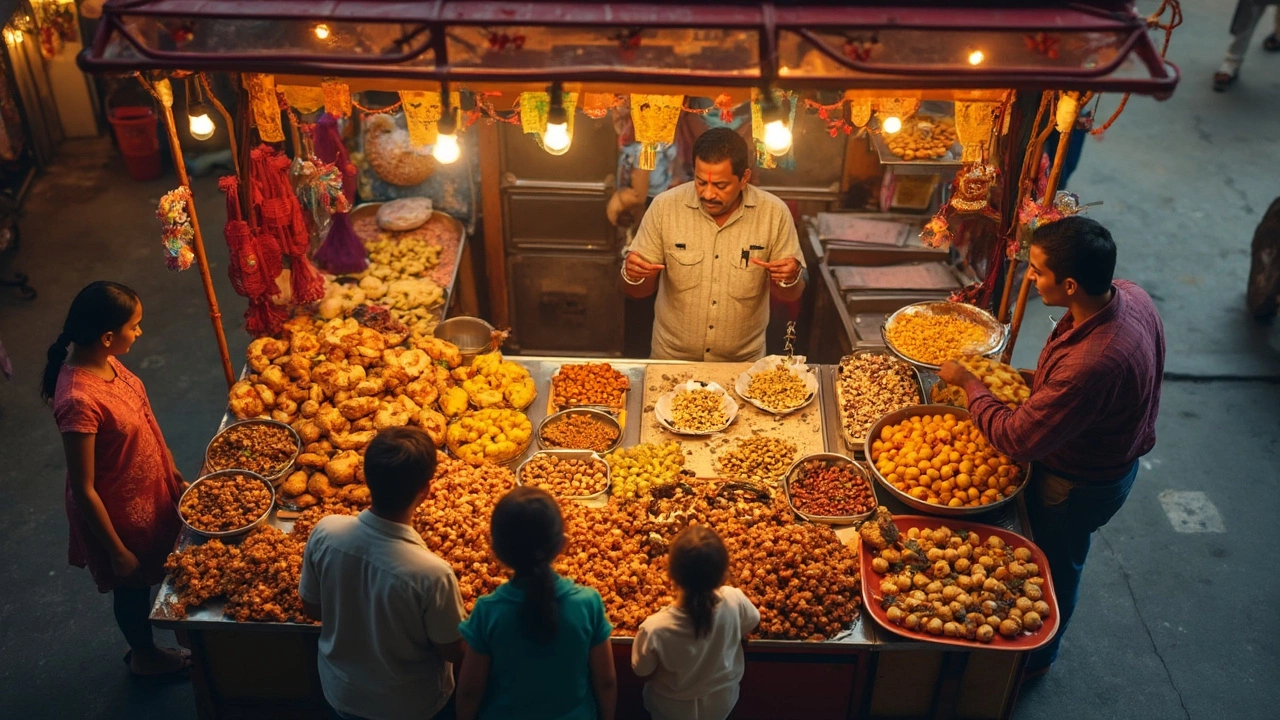
Indian Food High in Fat: Surprising Snack Choices
Indian snacks come in many forms, but some are loaded with more fat than you might expect. This article breaks down which Indian foods pack the most fat and why they end up so rich. Get practical tips on how to enjoy these treats without overloading your system. Find out which classic snacks to hold back on if you're watching your fat intake. Learn easy swaps and small changes to keep things tasty but healthier.
learn more