Indian Food Tips: Practical Advice for Authentic South Indian Cooking
When it comes to Indian food tips, practical, tested guidance for making authentic South Indian dishes at home. Also known as cooking tricks for Indian meals, these tips aren’t about fancy techniques—they’re about understanding why things work, so you can fix them when they go wrong. Whether you’re struggling with soggy dosa, over-spiced biryani, or curdled coconut milk curry, the answers are in the details—soaking times, heat control, ingredient ratios, and tradition.
Take dosa batter, the fermented mix of rice and urad dal that turns into crispy South Indian pancakes. Also known as dosa batter ratio, it’s not magic—it’s science. A 1:3 ratio of urad dal to rice, soaked for 8 hours and fermented in warm weather, creates air pockets that make dosa crisp. Skip the metal bowl. Use a glass or ceramic one. Cold kitchens kill fermentation. That’s not a suggestion—it’s a rule. Same with biryani rice, the parboiled basmati grain that stays separate and fragrant in layered rice dishes. Also known as biryani rice prep, boiling it for exactly 7–8 minutes before layering stops it from turning mushy during dum cooking. Too long? Stuck together. Too short? Crunchy and raw. There’s no guesswork here. And then there’s curry spices, the layered blend of cumin, turmeric, coriander, and curry leaves that builds depth without store-bought powder. Also known as Indian curry base, it’s not about dumping everything in at once. Start with mustard seeds popping in oil. Add onions. Then garlic, ginger, and spices. Let each layer cook before adding the next. That’s how you get flavor that sticks to your spoon. Even chutney pairings, the way Indian condiments like coconut or tamarind chutney lift simple snacks like dosa or samosa. Also known as Indian chutney uses, they’re not just sides—they’re flavor balancers. Sweet, sour, spicy—each chutney cuts through richness, adds brightness, and makes the meal feel complete.
You won’t find vague advice here like "use fresh ingredients" or "cook with love." You’ll find exactly how long to soak urad dal, why lemon in biryani isn’t optional, and how to fix curry that’s too oily or too dry. These are the same tips used in homes across Mysore—passed down, tested, and refined. What follows are 20+ real posts that break down each problem, one step at a time. No theory. No fluff. Just what to do, when to do it, and why it works.
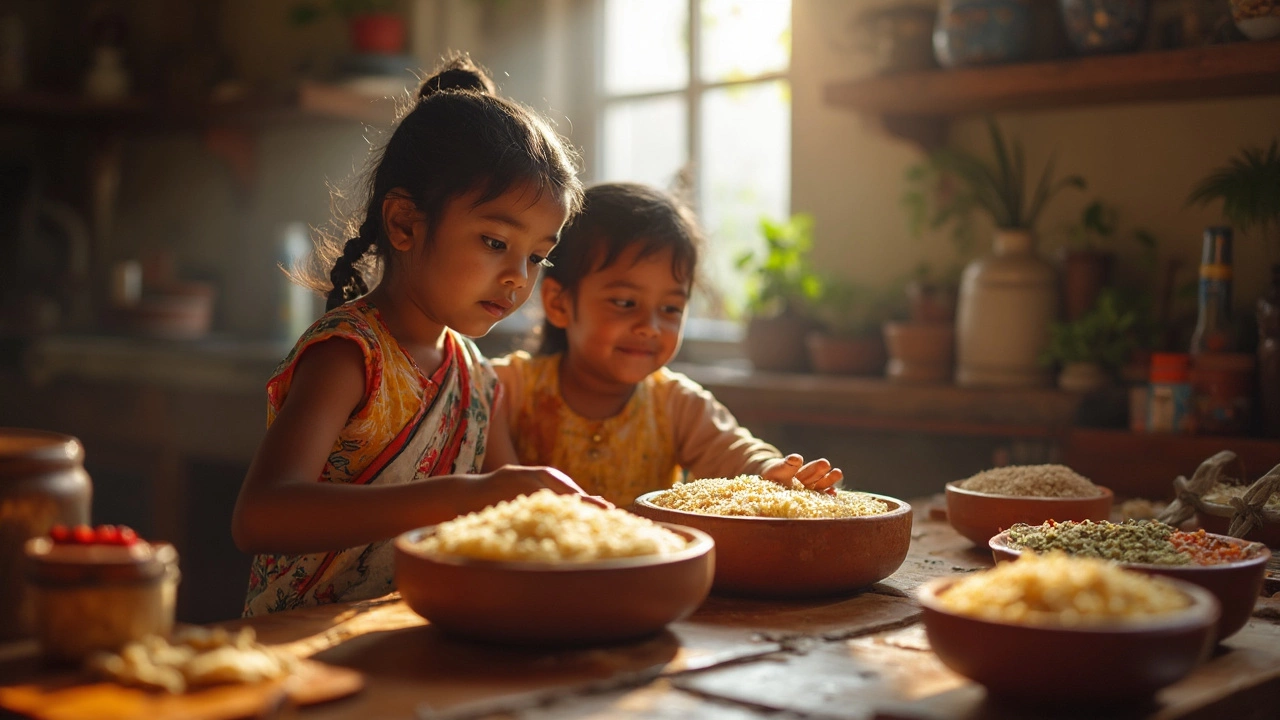
Should Dosa Batter Be Grainy? Authentic Texture Tips & Expert Advice
Explore whether dosa batter should be grainy or smooth. Get practical tips and expert insights for achieving the perfect authentic dosa texture every time.
learn more
What Not to Eat in India: A Guide for Foreign Foodies
Navigating the culinary wonders of India can be a thrilling journey, especially with its rich and diverse food culture. However, for travelers, certain choices might need a second thought. From avoiding street food mishaps to understanding spicy dish nuances, knowing which Indian foods to skip can enhance your culinary exploration and keep any adverse experiences at bay.
learn more