Indian Food Fat Content: What You Really Need to Know
When people talk about Indian food fat content, the amount and type of fat used in traditional South Indian and North Indian dishes. Also known as cooking fat in Indian cuisine, it’s often misunderstood as uniformly high—when in reality, it varies wildly depending on the dish, region, and preparation method. You won’t find every curry swimming in oil, and not every sweet is loaded with ghee. The truth is in the details: a simple dal with a teaspoon of mustard oil has far less fat than a rich paneer butter masala made with cream and butter.
Many assume that because Indian food uses ghee, clarified butter traditionally used in Indian cooking for its high smoke point and rich flavor, it’s unhealthy. But ghee, when used in moderation, is a source of fat-soluble vitamins and conjugated linoleic acid. Meanwhile, coconut milk, a creamy base in many South Indian curries and stews, made from grated coconut and water brings saturated fat—but also fiber and medium-chain triglycerides that your body processes differently than long-chain fats from animal sources. Even dosa batter, which relies on fermented rice and urad dal, contains almost no added fat unless you fry it in oil—which is where the real fat load comes in, not the batter itself.
What’s often missing from the conversation is how Indian meals are balanced. A typical plate might include rice (low fat), dal (naturally low in fat, high in protein), a vegetable sabzi cooked with minimal oil, and a side of yogurt. The fat isn’t the star—it’s the flavor carrier. A spoon of ghee drizzled over hot rice or a few drops of oil tempered with mustard seeds and curry leaves add depth without drowning the dish. You don’t need to avoid these fats to eat healthily—you just need to understand where they’re used and how much.
Some of the most popular Indian dishes, like biryani or chicken curry, can be higher in fat if made with full-fat yogurt, cream, or excessive oil. But the same dishes can be made lighter—using low-fat yogurt, less oil, or substituting coconut milk with water-based spice broths. The recipes below show you exactly how these dishes are built, what ingredients add fat, and how small changes make a big difference. Whether you’re worried about cholesterol, trying to lose weight, or just want to eat smarter, you’ll find real, practical insights here—not myths.
You’ll see how traditional methods like soaking lentils to reduce gas, fermenting dosa batter for better digestion, or using turmeric for anti-inflammatory benefits all tie into how fat is used—and how it’s not always the enemy. This isn’t about cutting fat. It’s about understanding it. And that’s what these posts are here to help you do.
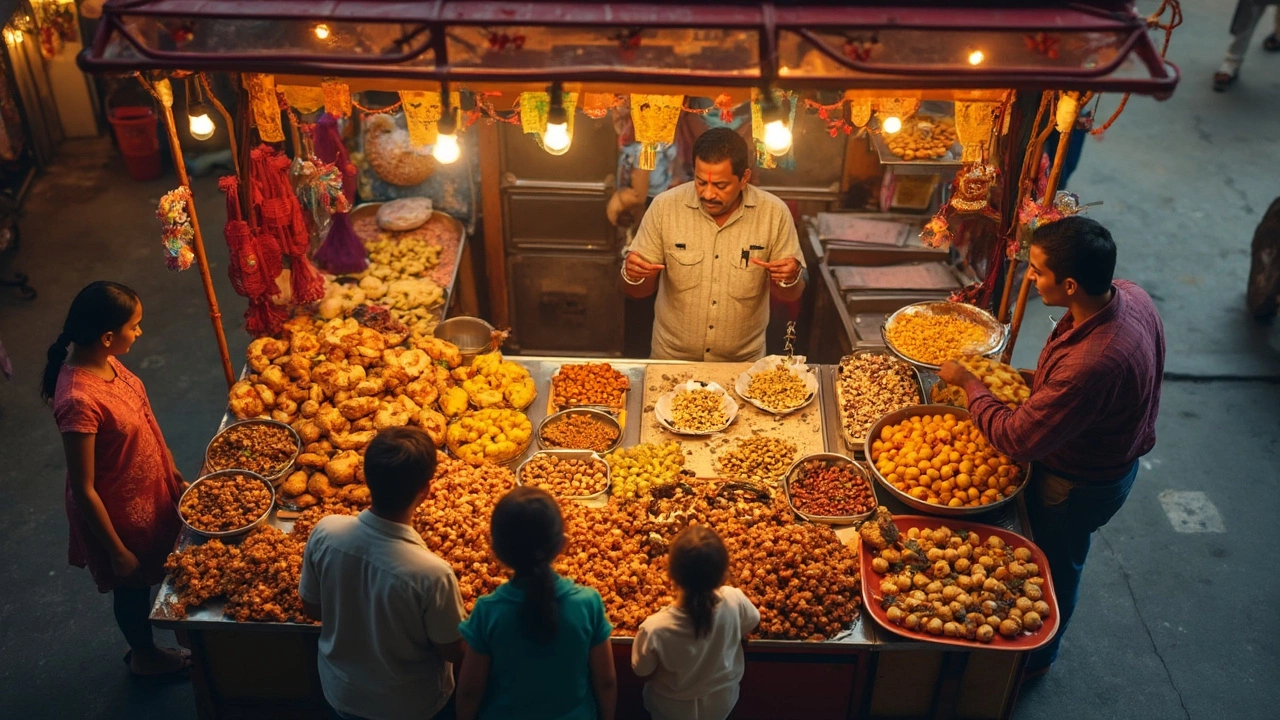
Indian Food High in Fat: Surprising Snack Choices
Indian snacks come in many forms, but some are loaded with more fat than you might expect. This article breaks down which Indian foods pack the most fat and why they end up so rich. Get practical tips on how to enjoy these treats without overloading your system. Find out which classic snacks to hold back on if you're watching your fat intake. Learn easy swaps and small changes to keep things tasty but healthier.
learn more