Indian Food Culture: Traditions, Ingredients, and Daily Rituals
When you think of Indian food culture, the deep-rooted traditions, regional variations, and daily rituals that shape how food is prepared and eaten across India. Also known as South Indian culinary heritage, it’s not just about spice levels or fancy dishes—it’s about the rhythm of life tied to the kitchen. From the first steam of idli in a Mysore home to the slow dum of biryani on a winter evening, food here isn’t something you eat—it’s something you live.
At the heart of this culture are simple staples: roti, rice, dal, and chutney. These aren’t side dishes—they’re the foundation. You won’t find a single meal in most Indian homes without them. And the way they’re paired matters. chutney pairings, the traditional combinations of condiments with snacks, breakfasts, and main meals aren’t random. A crispy dosa needs coconut chutney, not salsa. A plate of poha sings with lemon and peanuts. Even the way you eat—right hand, no fork—carries meaning. This isn’t tradition for show. It’s functional, passed down because it works.
Then there’s the science behind the flavor. Why does lemon make biryani rice stay separate? Why does fermenting urad dal and rice for hours turn batter into something airy and crisp? These aren’t magic tricks. They’re techniques shaped by generations of trial and taste. biryani spices, the layered blend of cardamom, cloves, cinnamon, and saffron that builds depth without overwhelming don’t just smell good—they balance heat, richness, and aroma in a way no single spice can. And turmeric? It’s not just color. It’s the most used anti-inflammatory ingredient in Indian kitchens, added to dal, rice, even milk.
Indian food culture doesn’t live in restaurants. It lives in the early morning grind of the wet grinder, the smell of cumin hitting hot oil, the quiet pride in a perfectly fermented dosa. It’s why people in Mysore still make phool jhadi by hand, even when candy stores sell it pre-packaged. It’s why you won’t find a single Indian household that doesn’t have a jar of homemade pickle or a bag of lentils soaking on the counter.
What you’ll find below isn’t a list of recipes. It’s a window into the real habits, mistakes, fixes, and secrets behind everyday Indian eating. Whether you’re wondering why your dosa won’t crisp up, or why lemon is non-negotiable in biryani, or what chutney actually goes with samosas—the answers are here. No fluff. No theory. Just what works, what doesn’t, and why it matters.
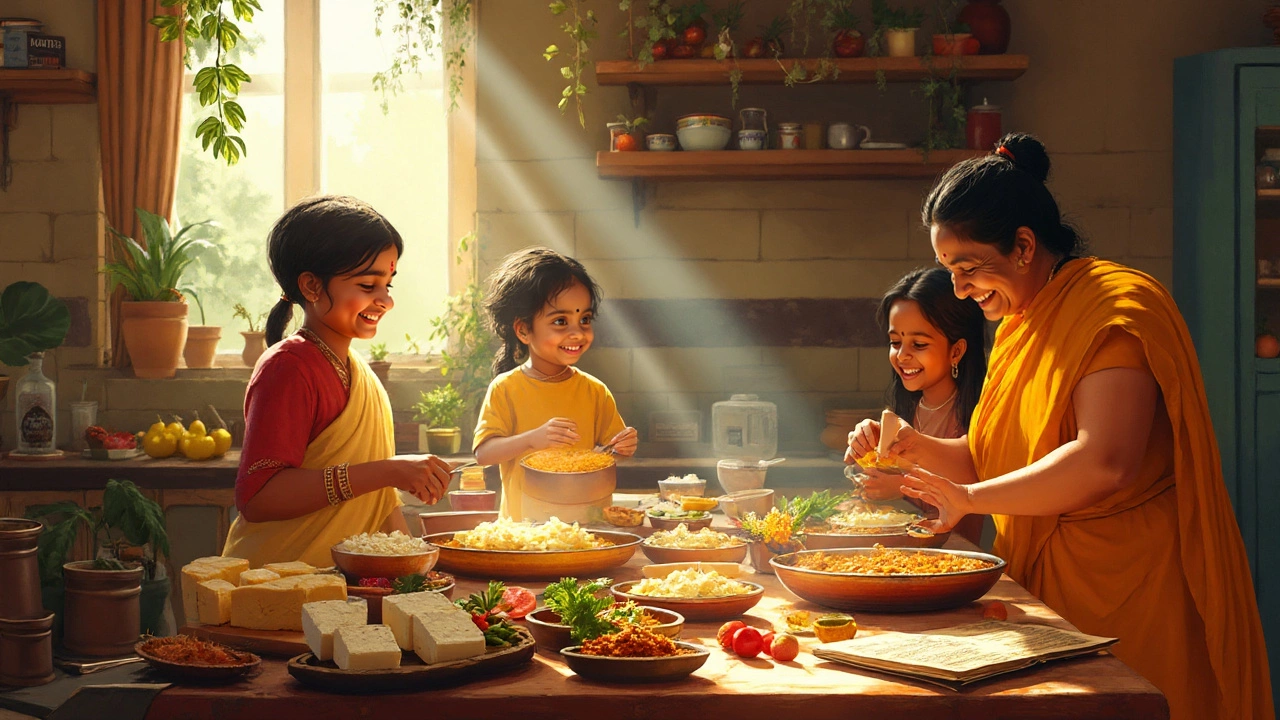
Why Cheese Isn't Big in India: Cultural, Culinary, and Historical Reasons
Explore why cheese hasn't caught on in India like paneer has—unpack the cultural, culinary, and historical reasons in a relatable, engaging way.
learn more
Tracing the Origins: What is the Oldest Sweet in India?
Explore the fascinating history behind the oldest sweet in India. Learn about ancient sweets, their cultural roots, and their place in modern celebrations.
learn more