Indian Diet: What People Actually Eat Daily in India
When people think of the Indian diet, the everyday eating habits of millions across India, centered on simple, plant-based staples and regional spices. Also known as traditional Indian meals, it's not the restaurant dishes you see online—it's what’s on the plate before sunrise, lunchtime, and dinner in homes from Mysore to Mumbai. This isn’t a diet meant for weight loss or trends. It’s a system built over centuries to fuel hard work, fit local crops, and work with the climate. You won’t find kale smoothies or protein shakes here. Instead, you’ll find roti, a flatbread made from whole wheat, eaten daily by over 70% of Indian households, paired with dal, lentils cooked slow with turmeric, cumin, and garlic, forming the protein backbone of most meals. These aren’t side dishes—they’re the foundation.
The Indian diet doesn’t rely on meat. Most meals are vegetarian by default, not by choice but by tradition and availability. Rice replaces roti in the south, where dosa, a fermented rice and urad dal crepe, is breakfast, snack, and sometimes dinner. In the east, it’s poha, flattened rice cooked with mustard seeds, curry leaves, and lemon. In the west, it’s upma, a savory semolina porridge with veggies and spices. These foods are quick, cheap, filling, and packed with nutrients. They’re also naturally anti-inflammatory—thanks to turmeric, ginger, and lentils—making the Indian diet one of the most balanced in the world, even without knowing the science behind it.
What you won’t find often? Sugary cereals, processed snacks, or big meat portions. Even sweets are small, eaten on special days, and made with milk, sugar, and cardamom—not buttercream or chocolate. The real magic? These meals are eaten with chutney—tangy, spicy, fresh condiments made from coconut, tamarind, or coriander—that help digestion and add flavor without calories. The Indian diet isn’t about perfection. It’s about rhythm. It’s about eating what’s local, what’s fresh, and what’s been passed down. And it works. People don’t get sick from eating dal and rice every day. They thrive on it.
Below, you’ll find real guides from people who cook this way every day. No fluff. No gimmicks. Just how to make dosa crispy, why lemon goes in biryani, how to stop lentils from giving you gas, and what Indians actually eat for breakfast when they’re in a hurry. This isn’t about exotic food. It’s about food that feeds a country—and now, it can feed your kitchen too.
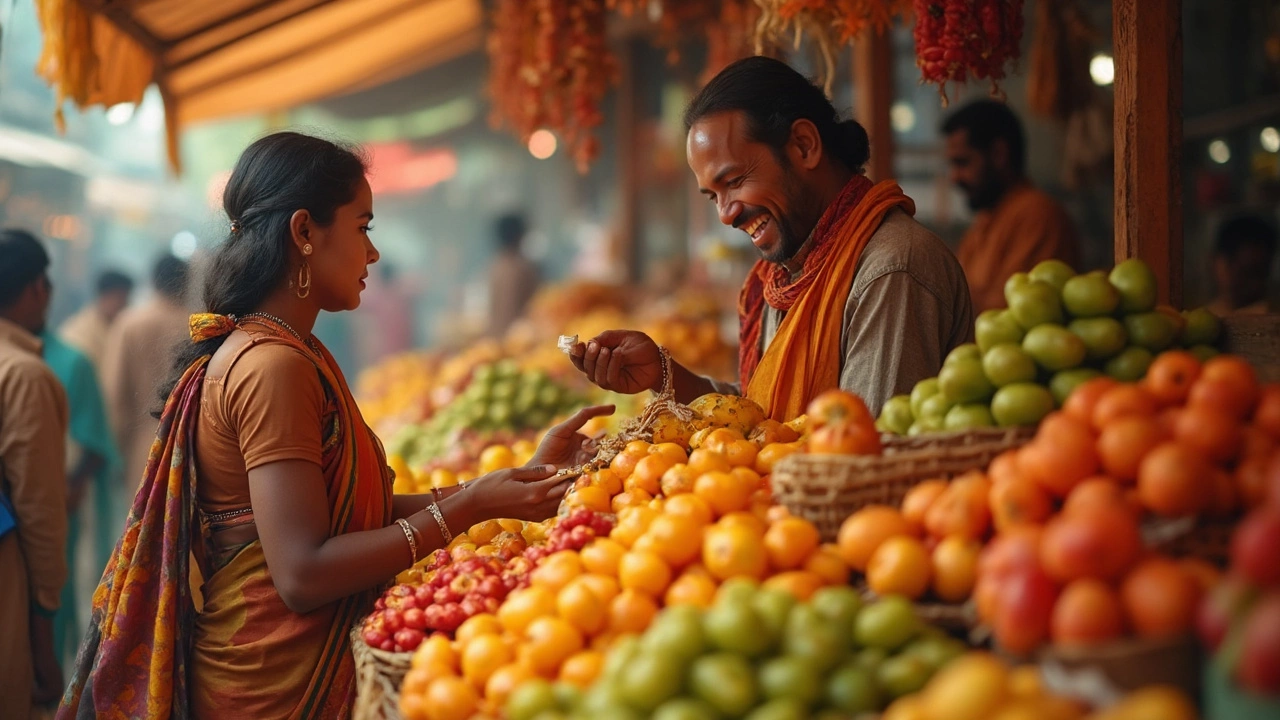
Discover the High-Protein Indian Fruit: The Surprising Snack Choice
When thinking about high-protein foods, fruits might not be the first thing that comes to mind. However, India is home to a surprising fruit that packs a protein punch. This article delves into the nutritional benefits of this unique fruit, offering tips on how to incorporate it into your diet for a wholesome snack option. It also explores intriguing health facts and practical advice for making the most of its qualities.
learn more