Indian Desserts: Sweet Treats from Mysore and Beyond
When you think of Indian desserts, handmade sweets made with milk, sugar, cardamom, and nuts, often tied to festivals and family traditions. Also known as mithai, they’re not just sugar—they’re culture, memory, and celebration in every bite. From the sticky, syrup-soaked gulab jamun to the delicate, spun-sugar phool jhadi, a rare, cotton-candy-like sweet made by hand with rose water and cardamom, these treats carry flavors passed down for generations. Unlike Western cakes or cookies, most Indian desserts are cooked slowly, simmered in syrup, or fried to perfection, then dusted with pistachios or saffron. They’re served at weddings, Diwali, and even just because it’s Tuesday.
What makes them different isn’t just the ingredients—it’s how they’re used. Indian sweets, a broad category including barfi, laddoo, jalebi, and more, each with regional variations aren’t just eaten alone. They’re paired with savory snacks, served after spicy curries to cool the palate, or even given as gifts in ornate boxes. You’ll find them alongside chutney pairings, the sweet-tangy condiments that balance heat and richness in Indian meals, like a spoonful of mango chutney next to a piece of kheer. And while they look delicate, many last for weeks if stored right—unlike what you might assume. There’s a whole science to keeping them fresh, from sealing them in airtight tins to avoiding humidity, which can turn a crisp barfi into a soggy mess.
Some of these sweets are fading away. Phool jhadi, for example, is hard to find now—only a few street vendors still make it by hand. Others, like rasgulla or peda, are everywhere, but their versions vary wildly from city to city. In Mysore, you’ll find unique takes with local ingredients like sandalwood-infused sugar or jasmine-flavored milk. The collection below dives into exactly that: the real stories behind the sweets you love, the ones you’ve never heard of, and the simple tricks to make them last longer. Whether you’re trying to recreate a childhood treat or just want to know why your jalebi turned out greasy, you’ll find the answers here—no fluff, no guesswork, just the facts that matter.
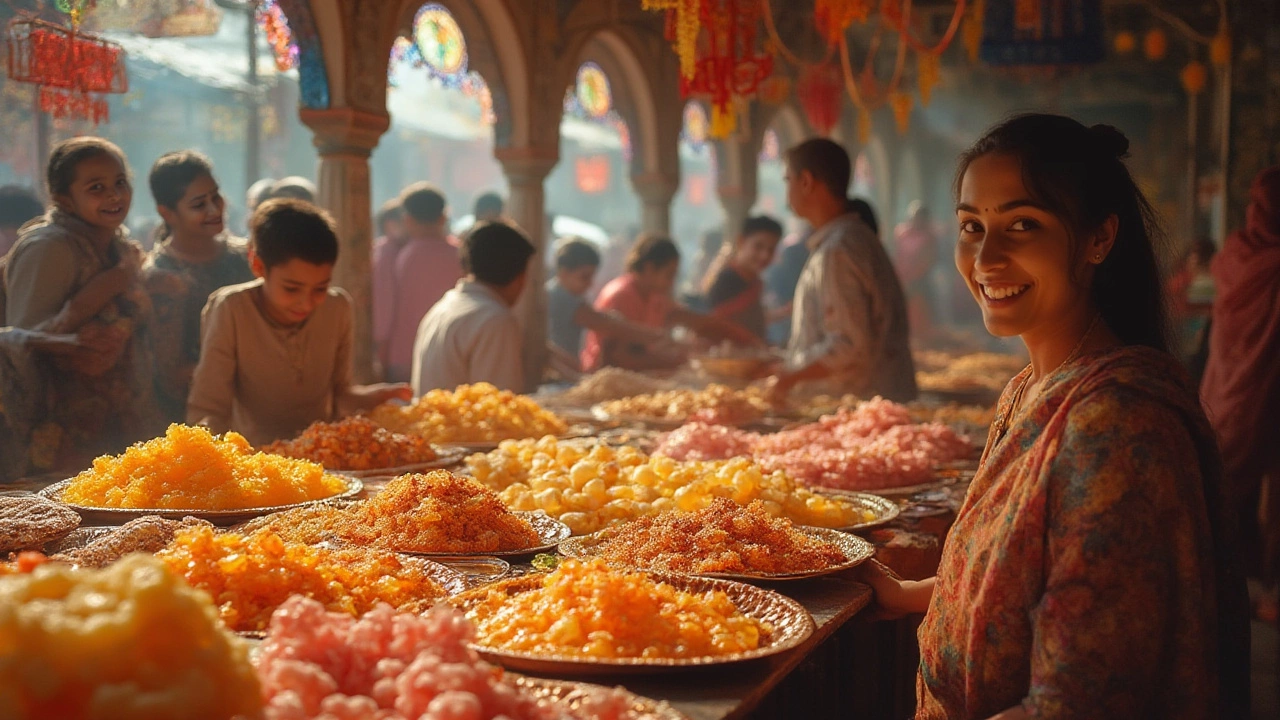
Most Popular Sweet in India: Rasgulla, Gulab Jamun, or Jalebi?
Curious which sweet rules India's taste buds? Here’s a tasty, deep dive into the most popular Indian sweet—and some colorful stories, facts, and tips for sweet lovers.
learn more
How Long Does Leftover Indian Last in the Fridge? Your Guide to Storing Sweets
Worried about how long your leftover Indian sweets will last in the fridge? Let’s break down the truth about storing Indian desserts, recognizing spoilage, and making the most of your mithai. Find out exactly how long burfi, gulab jamun, and other favorites stay fresh. Plus, get quick tips to stretch their shelf life and ditch the guesswork next time you’re saving treats for later.
learn more
Traditional Indian Sweet Dishes: What You Need to Know
Indian sweet dishes are packed with history, flavor, and cultural meaning. This article takes a look at famous traditional sweets, the stories behind them, what they’re made from, and tips on making them easily at home. Discover what makes these desserts so irresistible and how they became part of every big and small celebration in India. Learn unique facts along the way and get practical advice on buying or prepping these treats yourself. From North to South, get the lowdown on the sweetest side of Indian cuisine.
learn more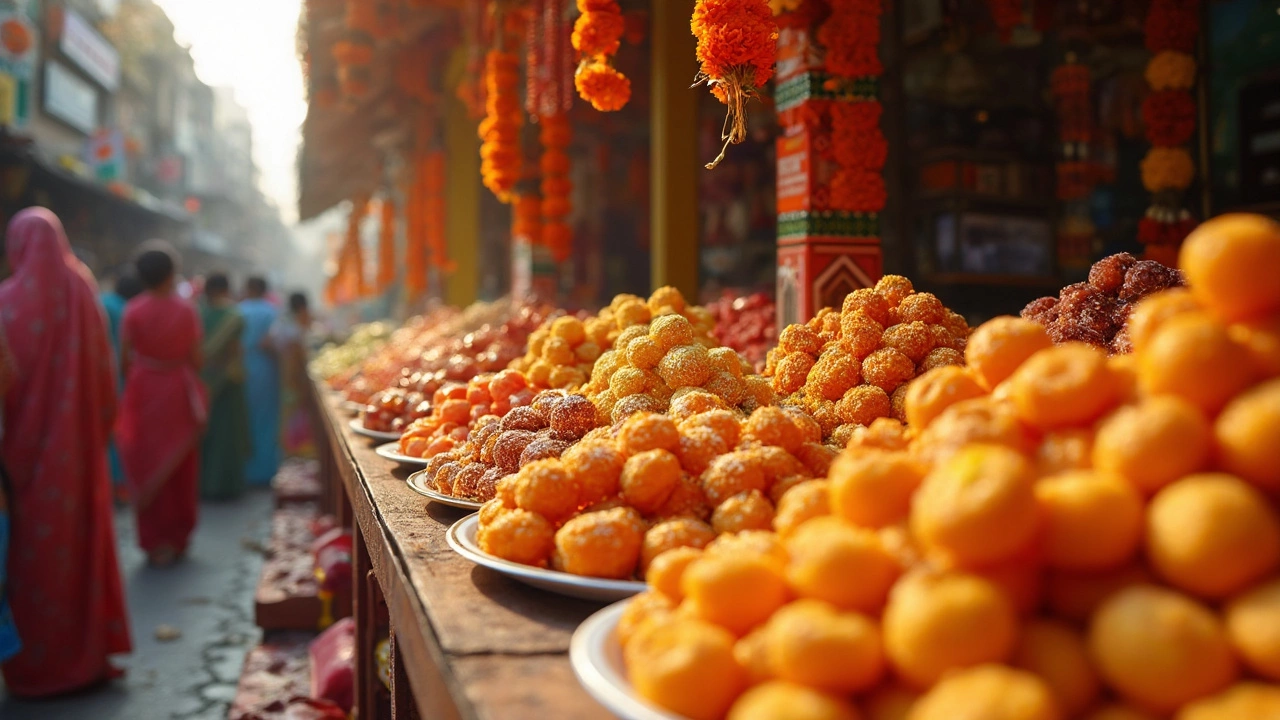
Discover India's Best Dessert: A Sweet Exploration
India is home to a rich diversity of desserts, each with unique flavors and histories. Explore the most celebrated Indian sweet, uncover its cultural significance, and learn tips for preparing it. Embrace the fusion of tradition and taste in India's beloved dessert world.
learn more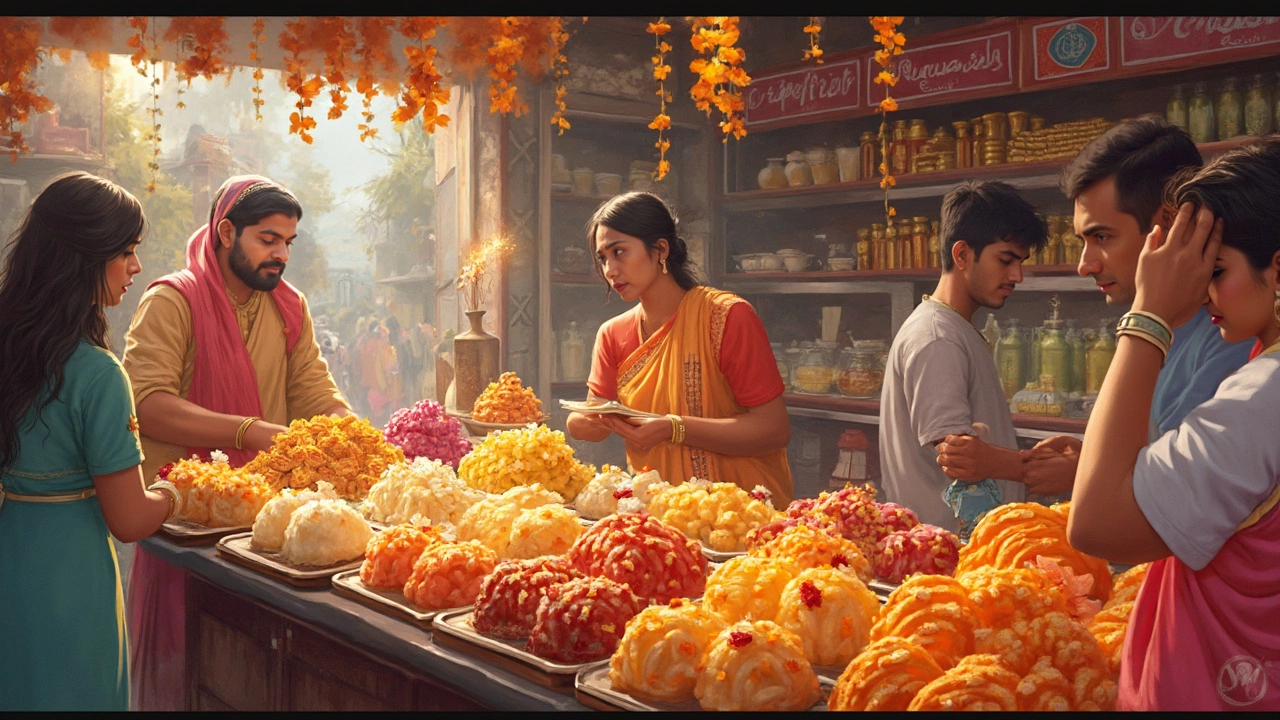
Discovering the Queen of Indian Desserts: Who Takes the Crown?
Indian desserts offer a symphony of flavors and textures, earning titles of sweetness across the globe. From creamy kulfi to syrupy gulab jamun, choosing the queen of these desserts is a deliciously challenging task. Explore the vibrant history, unique ingredients, and a few simple recipes of India's beloved sweets. Whether you're a seasoned cook or a newbie, there's something delightful to discover and savor. Sweet cravings, rejoice as we uncover the top contenders in this sugary showdown!
learn more