Indian Dessert Recipes: Sweet Treats from Mysore and Beyond
When you think of Indian dessert recipes, handmade sweets made with milk, sugar, cardamom, and nuts, often served during festivals and family gatherings. Also known as mithai, they’re not just food—they’re memories wrapped in syrup. These aren’t the sugary, mass-produced candies you find in supermarkets. True Indian desserts are slow-made, often cooked in heavy pots over low heat, stirred for hours until the milk thickens into golden, fragrant clusters. They’re the kind of treats that make you pause, take a bite, and remember your grandmother’s kitchen.
Every region in India has its own version. In Mysore, you’ll find Mysore Pak, a rich, buttery sweet made from gram flour, ghee, and sugar, cut into squares that melt on the tongue. In the south, Phool Jhadi, a delicate sugar thread sweet that looks like cotton candy but is spun by hand with rose water and cardamom. Up north, gulab jamun, deep-fried milk dumplings soaked in syrup, soft as clouds and sweet like nostalgia. And then there’s jalebi, the orange, spiraled fried batter soaked in syrup, crispy on the outside, syrupy inside, best eaten warm. These aren’t just recipes—they’re traditions passed down through generations, each bite carrying the weight of culture, celebration, and care.
What makes these desserts different from Western cakes or cookies? It’s the spice. Cardamom isn’t just an add-in—it’s the soul. Saffron isn’t just color—it’s luxury in a thread. Ghee isn’t just fat—it’s the golden thread that binds everything together. You don’t just eat these sweets; you experience them. And that’s why so many people search for authentic versions. They’ve tried the store-bought ones. They know the difference. They want the real thing.
Below, you’ll find a collection of posts that dig into exactly how these desserts are made, stored, and enjoyed. You’ll learn why some sweets last weeks while others need to be eaten the same day. You’ll see how fermentation, temperature, and even the type of pan can change the outcome. You’ll find out what makes a jalebi crisp instead of soggy, why gulab jamun sometimes sink instead of float, and how to fix a batch of Mysore Pak that turned too hard. These aren’t just instructions—they’re fixes, tips, and stories from kitchens that have been making these sweets for decades.
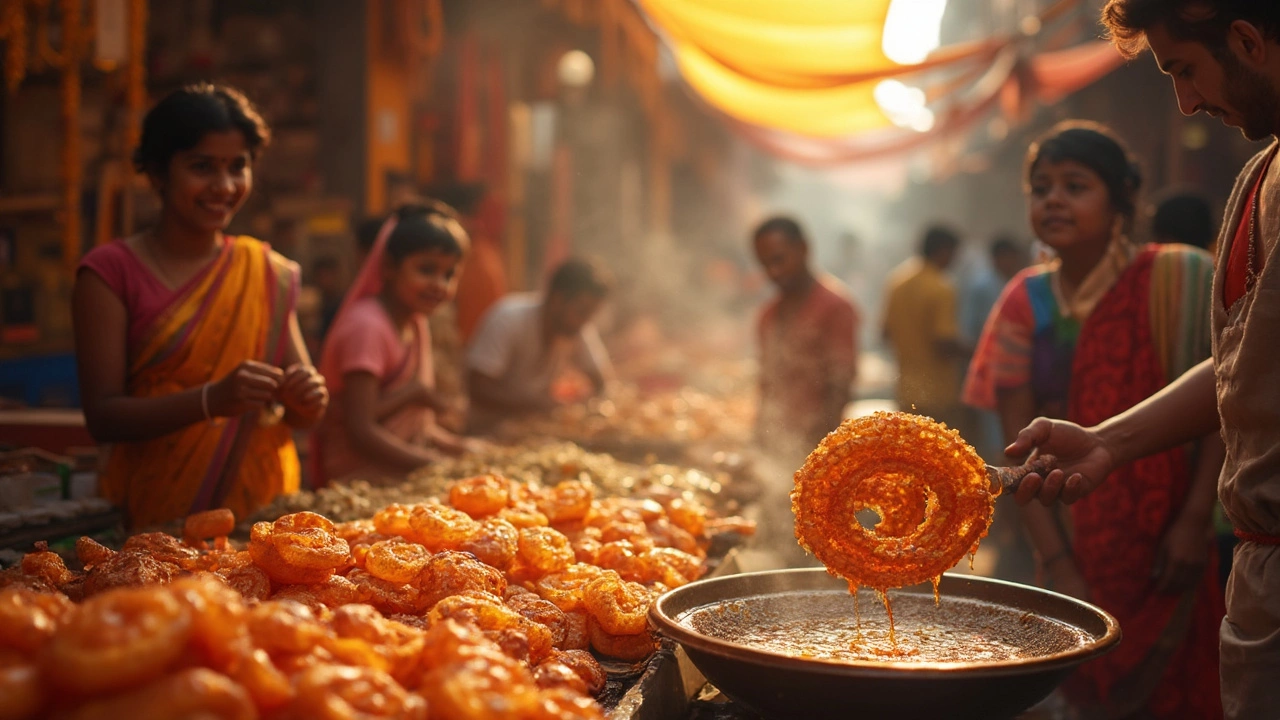
Discover India's National Sweets: A Sweet Journey
Dive into the sweet world of Indian cuisine and explore its national sweets! From the aromatic Jalebi to the creamy goodness of Kheer, learn about the diverse and delightful desserts of India. Each sweet holds a unique story and flavor, reflecting the rich cultural heritage of the nation. Join this flavorful adventure and uncover tips and recipes to try at home. Satisfy your sweet tooth while indulging in tradition.
learn more