Indian Dessert Names: Sweet Treats from Mysore and Beyond
When you think of Indian dessert names, a vibrant collection of sugar-based sweets rooted in regional traditions, often made with milk, nuts, and spices. Also known as Indian sweets, these treats aren’t just after-dinner snacks—they’re part of festivals, family gatherings, and daily rituals across India. In Mysore, where sweets are as much a part of culture as temple bells and silk sarees, you’ll find desserts that have been passed down for generations, made with patience, precision, and a touch of magic.
Not all Indian desserts are the same. Some, like phool jhadi, a delicate, cotton-candy-like sweet made by hand with sugar, cardamom, and rose water, are rare and fading from view. Others, like barfi, a dense, fudge-like confection made from condensed milk and nuts, are staples in every sweet shop. Then there’s jalebi, a deep-fried, syrup-soaked spiral that’s crispy on the outside and chewy inside. Each has its own story, texture, and method of preparation. These aren’t just desserts—they’re edible history.
What makes these sweets last? Storage matters. Many Indian desserts spoil quickly if not kept cool and covered, especially those made with dairy. Knowing how to store them properly can mean the difference between a sweet treat and a wasted batch. And while some are eaten fresh, others—like ladoo or kheer—are designed to last days, even weeks, if handled right. The same care that goes into making them extends to how you keep them.
You won’t find these desserts in every grocery store. They’re made in small kitchens, by hand, often early in the morning. That’s why recipes matter. Whether it’s getting the right sugar syrup consistency for jalebi or fermenting the batter for a sweet version of dosa, the details change everything. The posts below dig into exactly that: the forgotten sweets, the storage secrets, the simple tricks that make the difference between good and unforgettable. You’ll learn why phool jhadi is disappearing, how to tell if your barfi has gone bad, and what makes Mysore’s version of mysore pak so rich it melts on your tongue. No fluff. Just real, practical knowledge from kitchens that still do it the old way.
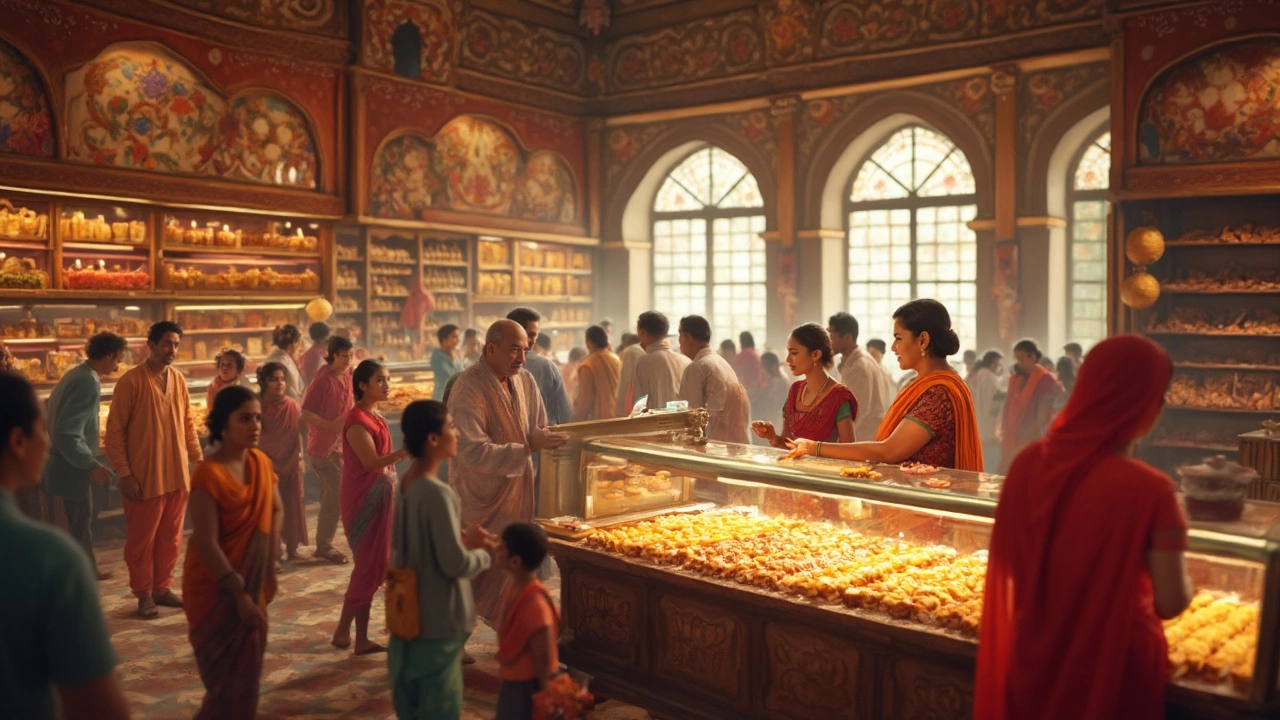
Indian Word for Sweet: What It Means and How to Use It in Your Kitchen
Ever wondered what Indians really call their famous sweet treats? This article explains what the word 'mithai' means and how people use it across India. You'll find out why there are so many types of sweets in Indian culture and get tips on choosing the right dessert for different occasions. Discover fun facts about naming, regional differences, and even handy kitchen tricks for making your own mithai at home. If you love Indian sweets, you'll learn something new and useful.
learn more