Indian Culinary Laws: What You Need to Know About Traditional Cooking Rules
When people talk about Indian culinary laws, the unwritten, deeply rooted practices that govern how food is prepared and served across India. These aren’t government regulations—they’re the lived wisdom passed down through generations, shaping everything from spice blends to fermentation times. You won’t find them in a legal code, but you’ll feel them in every perfectly fermented dosa batter, every biryani cooked slow over low heat, and every meal served with the right chutney at the right time.
These traditions are tied to food safety India, how ingredients are handled to prevent spoilage in a hot climate without refrigeration. For example, soaking urad dal and rice overnight isn’t just tradition—it’s a natural way to reduce phytic acid and prevent digestive issues. Using lemon in biryani isn’t just for taste; it lowers pH to keep rice grains separate and inhibits bacterial growth. Even the choice of clay or copper pots over metal bowls for marinating tandoori chicken has roots in how certain metals react with yogurt and spices over time. Then there’s traditional cooking practices, the methods that prioritize flavor development over speed. Fermenting batter for 12–24 hours, parboiling rice for exactly 7–8 minutes, or tempering spices in hot oil—these aren’t arbitrary steps. They’re proven techniques that unlock aroma, texture, and digestibility. And let’s not forget cooking etiquette, how food is served, shared, and eaten. Serving chutney with dosa or paneer butter masala isn’t optional—it’s part of the meal’s balance. Eating with your hands? It’s not just cultural—it enhances sensory connection to the food, helping you adjust spice and texture as you go.
What you’ll find in these posts isn’t theory—it’s the real, practical side of Indian cooking. You’ll learn why your dosa turns soft, how to stop coconut milk from curdling, and why turmeric isn’t just a spice but a cornerstone of daily meals. These aren’t random tips. They’re the invisible rules that keep Indian kitchens running smoothly, safely, and deliciously. Whether you’re making dal for the first time or trying to nail biryani rice texture, you’re not just following a recipe—you’re stepping into a system built on centuries of trial, error, and taste.
Banned Meats in India: What You Need to Know
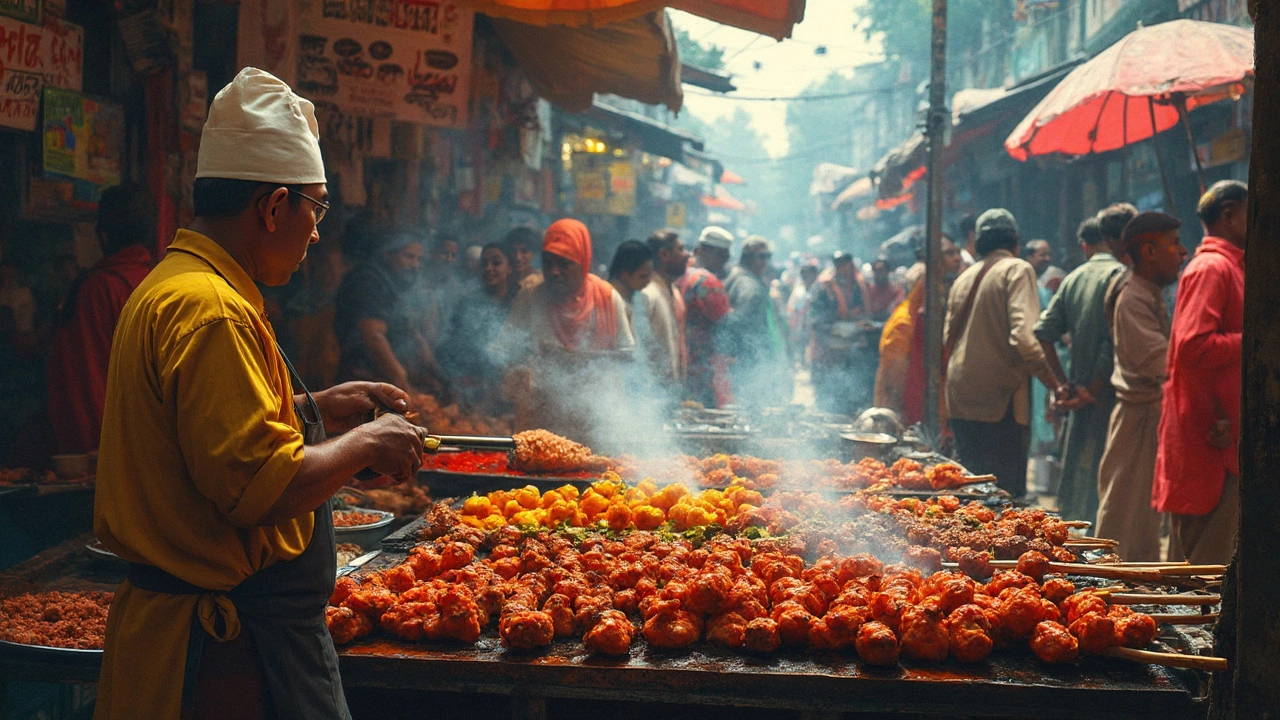
India's flavorful street food often includes a wide variety of meats, but not all are legal to sell or consume. Beef is the most well-known banned meat in many Indian states, driven by cultural and religious beliefs. The complex regulations around meat can vary significantly from one state to another, making it essential to know the local laws. This article dives into the banned meats across India and how they influence the vibrant street food scene.
learn more