Indian cuisine trends: What's really changing in home kitchens today
When people talk about Indian cuisine trends, the evolving ways people cook and eat in India and abroad, often blending tradition with modern convenience. Also known as modern Indian cooking, it's not about gimmicks—it’s about returning to what works: fresh spices, slow fermentation, and meals that feed families, not just Instagram feeds. The biggest shift? People are walking away from pre-made curry powders and store-bought chutneys. They’re grinding their own cumin, soaking urad dal overnight, and fermenting dosa batter like their grandmothers did. This isn’t nostalgia—it’s taste. And it’s happening everywhere, from Bangalore apartments to kitchens in Texas.
What’s driving this? Simple: people are tired of bland, one-note food. They want to know why lemon makes biryani pop, why coconut milk curdles if you add it too fast, and how to stop lentils from giving them gas. These aren’t just cooking tips—they’re small wins that turn meals into rituals. You’ll find posts here that explain the urad dal to rice ratio, the exact 1:3 mix that makes dosas crisp and fluffy, why turmeric, the golden spice that fights inflammation and colors every curry isn’t optional in dal, and how British chutney, a sweet-tangy condiment that found a second life in Indian homes pairs better with cheese than most people realize. These aren’t random recipes—they’re answers to real problems home cooks face every day.
There’s no trend more powerful than the return to patience. Biryani doesn’t get its soul from a pressure cooker—it gets it from slow dum cooking. Dosa isn’t crispy because of non-stick pans—it’s crispy because the batter fermented just right. You won’t find shortcuts here that sacrifice flavor. Instead, you’ll find clear, no-fluff fixes: how to replace lemon in paneer, why blending onions changes your curry’s texture, and what happens when you skip the mustard seeds in tempering. This collection doesn’t chase fads. It digs into what’s always worked—and why it still does.
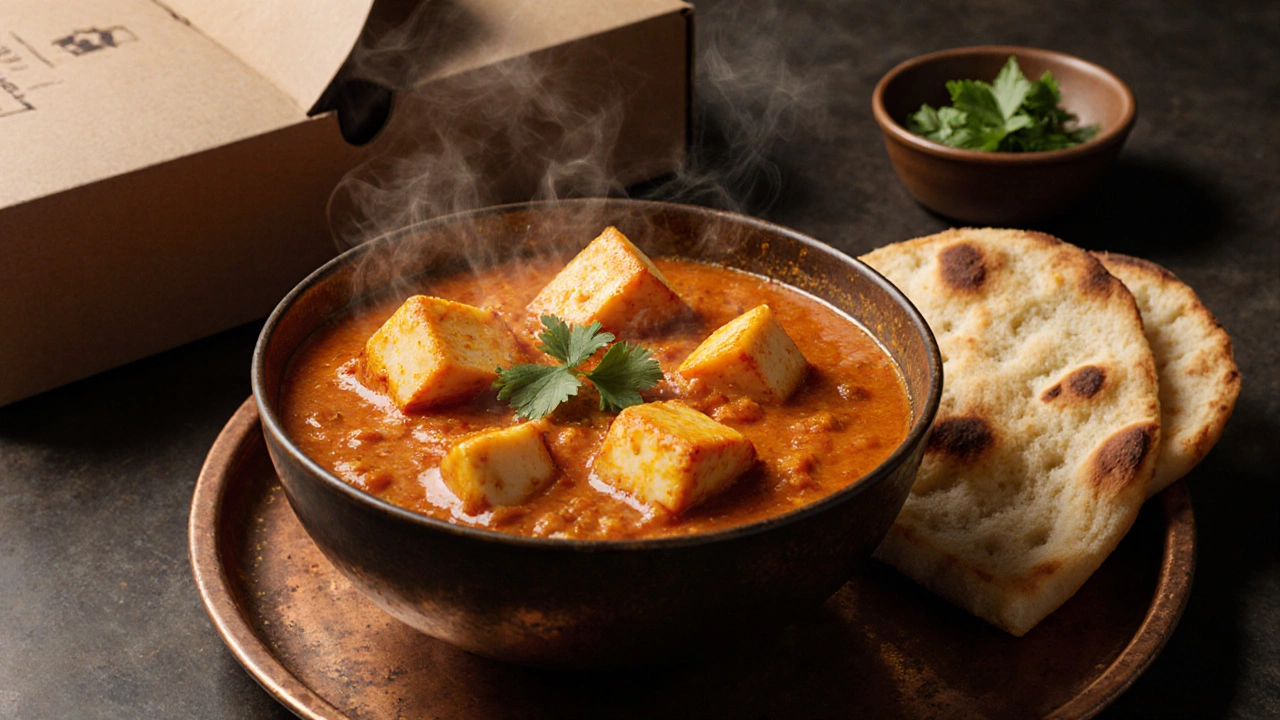
India's Most Ordered Dish: The Top Vegetarian Favorite
Paneer Butter Masala tops India's vegetarian order charts. Discover why it dominates, key ingredients, cooking steps, and how it stacks up against Masala Dosa and Chole Bhature.
learn more