India vegetarian culture: Why it shapes the way we eat every day
When we talk about India vegetarian culture, a deeply rooted way of life where plant-based eating is tied to religion, region, and daily rhythm. Also known as vegetarian tradition in India, it's not about avoiding meat because it's trendy—it's about how food connects to identity, community, and daily practice. This isn’t a trend you’ll find in a magazine. It’s what millions eat every morning before sunrise—idli with coconut chutney, rice with dal, roti with sabzi. No fancy labels, no Instagram posts. Just food that’s been passed down, cooked in homes, and eaten without question for generations.
This culture doesn’t just mean no meat. It’s about Indian vegetarian food, a wide, diverse range of dishes built around lentils, grains, vegetables, dairy, and spices. Also known as South Indian vegetarian cuisine, it includes everything from the fermented batter of dosa to the slow-cooked lentils of sambar. It’s not just what’s on the plate—it’s how it’s made. Fermentation isn’t a buzzword here; it’s a necessity. Spices aren’t just flavor—they’re medicine. Turmeric fights inflammation, cumin aids digestion, and mustard seeds awaken the appetite. And dairy? It’s not optional. Paneer, ghee, yogurt—they’re not garnishes. They’re the backbone of texture, richness, and balance. You’ll find this in homes from Mysore to Mumbai. In villages, meals are made with what’s grown nearby. In cities, families still start the day with poha or upma—not because it’s healthy, but because it’s what their mother made, and their grandmother before her.
There’s also a quiet rhythm to how food is served and shared. Chutney isn’t just a side—it’s a bridge between flavors. Dosa isn’t just breakfast—it’s a ritual of crispness and fermentation. Even the way you eat matters. In many homes, food is eaten with hands, not forks. It’s not about etiquette—it’s about connection. Taste, smell, and touch all play a role. This culture doesn’t need labels like vegan or plant-based. It’s already there. It’s lived, not chosen.
What you’ll find below isn’t a list of recipes. It’s a window into how this culture actually works. You’ll see why dosa batter needs time, why lemon goes in biryani, why lentils are soaked before cooking, and why paneer butter masala tops the charts. These aren’t random tips. They’re the quiet rules of a food system that’s lasted centuries. Whether you’re trying to cook like a South Indian home or just want to understand why so many Indians eat this way, these posts give you the real, unfiltered truth—no fluff, no marketing, just the food as it’s made every day.
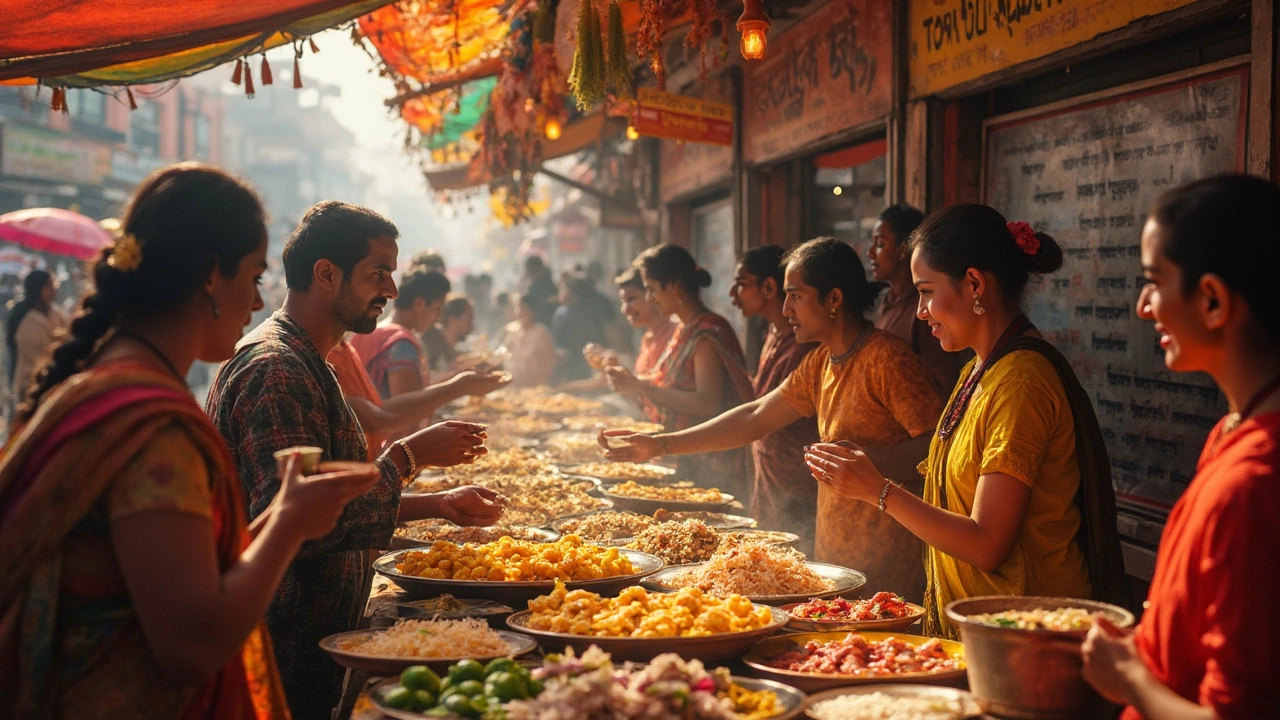
Which Country Is 100% Vegetarian? Exploring the Truth Behind the Myth
Is there really a country where everyone follows a vegetarian diet? This article unpacks the idea of a 100% vegetarian nation, with a special look at India as the global center for vegetarian culture. Discover why even India isn't fully vegetarian, what influences food choices there, and the quirks of its regional vegetarian dishes. Get practical tips for eating vegetarian while traveling and watch out for common roadblocks. Learn the facts and get some smart tips for anyone passionate about vegetarian food.
learn more