India travel tips: What to eat, avoid, and know before you go
When you think of India travel tips, practical advice for navigating food, culture, and daily life in India. Also known as traveling in India, it’s not just about sightseeing—it’s about eating right, staying safe, and understanding what makes each meal meaningful. The real magic of India isn’t in the temples or the trains—it’s in the food on the street, the steam rising from a dosa pan, or the scent of cumin and turmeric in a home kitchen. Skip the tourist traps and you’ll find meals that have stayed unchanged for generations, made with ingredients that locals trust.
Many travelers worry about food safety, but the truth is, India’s food culture has built-in wisdom. You don’t need fancy bottled water to avoid sickness—you need to know what’s fresh, what’s cooked hot, and what’s best avoided. For example, Indian street food, popular, affordable dishes sold by vendors in cities and towns across India. Also known as chaat, it’s often the most flavorful part of any trip. Think masala dosa, poha, or jalebi—items that are made to order, served hot, and eaten by millions daily without issue. The key? Watch how it’s made. If the oil is clean, the batter is fresh, and the vendor handles money and food with separate hands, you’re likely safe. Avoid anything sitting out for hours, especially dairy-based sweets or raw chutneys.
Then there’s the South Indian cuisine, a regional cooking style from states like Karnataka, Tamil Nadu, and Kerala, known for rice, lentils, coconut, and fermented foods. Also known as Karnataka food, it’s the backbone of Mysore’s daily meals. This is where you’ll find the perfect dosa batter, the right ratio of urad dal to rice, and the secret to crispy, fluffy textures. It’s also where lemon isn’t just a garnish—it’s a flavor lifter in biryani, a tenderizer in curries, and a natural preservative. If you’re traveling, prioritize places where locals line up. That’s your sign.
Don’t assume all Indian food is spicy. Some dishes are mild, fragrant, and layered—not just hot. Turmeric, cumin, curry leaves, and cardamom aren’t just spices—they’re medicine, tradition, and memory in every bite. You’ll see it in the anti-inflammatory dal recipes, the fermented breakfasts, and the chutneys that balance sweet, sour, and tangy in one spoonful. And yes, British chutney is different from Indian chutney. One is for cheese sandwiches, the other for dosas. Know the difference before you order.
What you eat on the road tells you more about India than any guidebook. It’s not about exoticism—it’s about routine. The most eaten foods in India aren’t fancy curries—they’re roti, rice, dal, and idli. They’re simple, daily, and nourishing. And that’s what you should aim for: real meals, not performances. Whether you’re in Mysore, Mumbai, or Madurai, the best India travel tips come from watching, asking, and tasting like a local. Below, you’ll find exactly what to cook, what to avoid, and how to get every bite right—no guesswork needed.
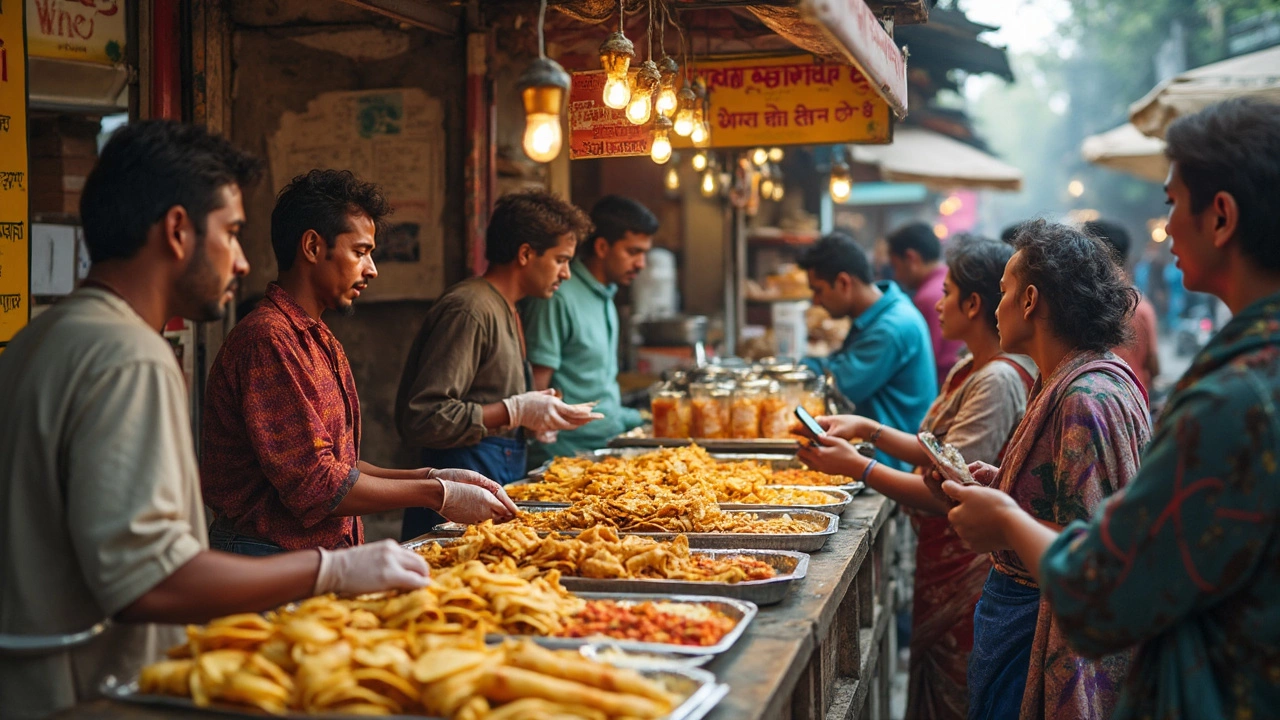
How to Avoid Getting Diarrhea in India: Vegetarian Dishes Edition
Tummy troubles can quickly ruin your trip to India, but they don’t have to if you know what to watch out for. This guide covers the smartest ways to enjoy vegetarian Indian dishes without risking a bout of diarrhea. Get tips on what to eat, what to skip, and how to spot safe street food stalls. Learn simple tricks for handling water and raw foods, straight from seasoned travelers. Worried about spice, cleanliness, or tricky restaurant menus? Here’s how to stay healthy and enjoy every bite.
learn more