Idli Batter Tips: Perfect Fermentation, Consistency, and Fluff Every Time
When you make idli batter, a fermented mixture of rice and urad dal used to make soft, fluffy South Indian steamed cakes. Also known as idli paste, it’s the foundation of one of India’s most loved breakfasts. Get it wrong, and your idlis turn dense or flat. Get it right, and they puff up like clouds—light, airy, and full of subtle tang. The secret isn’t fancy equipment or rare ingredients. It’s timing, temperature, and the balance between rice and urad dal.
The urad dal to rice ratio, the proportion of black gram lentils to rice in the batter. Also known as idli grain ratio, it’s what makes or breaks your batter. Most experts agree on 1:3 or 1:4, but the real trick is how you soak and grind them. Urad dal needs to be soaked longer than rice—8 to 10 hours—so it whips up into a light, airy foam. Rice should soak just enough to soften, not mush. When you grind, the dal goes first, until it’s smooth and billowy. Then add rice in short bursts. Too much water? Your batter turns thin and won’t rise. Too thick? Your idlis stay heavy.
Fermentation, the natural process where wild yeast and bacteria break down sugars in the batter, producing gas that makes idlis rise. Also known as natural leavening, it’s why idlis taste slightly sour and feel so light doesn’t happen overnight. In cold weather, it can take 12 to 18 hours. In Mysore’s warm climate, it’s often done in 8. The batter should double in volume, smell slightly sweet and sour, and have bubbles all the way through. Never refrigerate it before fermentation—it kills the microbes. And never use a metal bowl. Glass or plastic keeps the warmth in. If your batter doesn’t rise, try adding a pinch of fenugreek seeds before soaking. They help the yeast grow.
You’ll find plenty of posts below that dig into the details: how to fix batter that didn’t ferment, why your idlis stick to the mold, what happens if you use leftover batter, and how to store it for next day. Some people swear by adding poha or cooked rice for extra softness. Others swear by grinding the dal with a little salt. There’s no single right way—only what works in your kitchen. But if you follow the basics—right ratio, proper soaking, gentle grinding, and warm fermentation—you’ll get perfect idlis every time. No guesswork. No frustration. Just fluffy, steamed goodness.
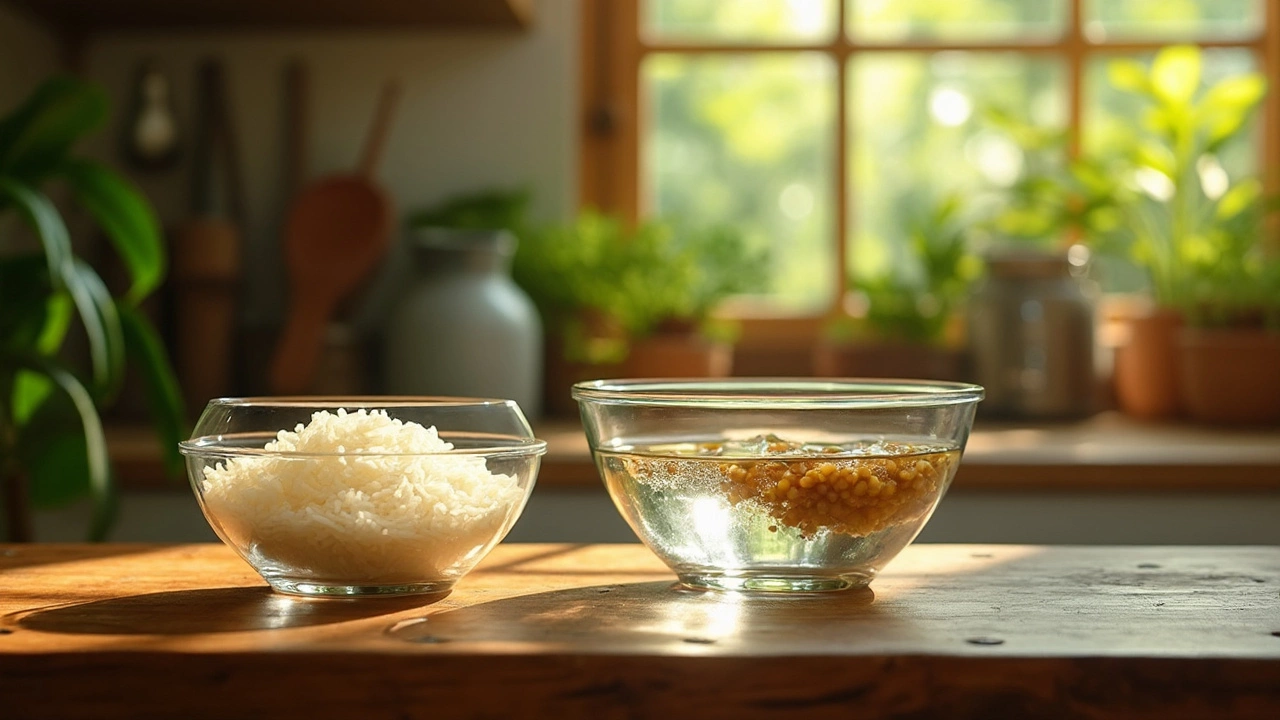
How Many Hours to Soak Rice and Urad Dal for Idli Batter
Ever wondered how long you really need to soak rice and urad dal for the best idlis? This article breaks down the exact soaking times and why they matter, steering clear of guesswork. You'll also find practical tips to fix soaking mistakes and speed up the process on busy days. We'll talk about how temperature affects soaking, plus sneaky hacks for fluffier, softer idlis. If you've been getting dense or flat idlis, this guide helps you get it right every single time.
learn more