Idli: The Soft, Steamed South Indian Breakfast Staple
When you think of a classic South Indian breakfast, Idli, a steamed rice and lentil cake known for its soft texture and mild flavor. Also known as idly, it’s one of the most widely eaten foods in Karnataka and Tamil Nadu—eaten by millions every morning, often with coconut chutney or sambar. It’s not fancy, but it’s powerful: light on the stomach, packed with protein from urad dal, and naturally gluten-free. Unlike other breakfasts that need frying or heavy spices, idli relies on time—fermentation—to unlock its flavor and fluffiness.
Idli is closely tied to urad dal, a type of black gram lentil that, when ground and mixed with rice, creates the batter that rises into those fluffy cakes. The ratio of rice to urad dal matters—too much dal and it turns gummy; too little and it won’t rise. It’s the same batter used for dosa, but instead of spreading it thin on a hot griddle, you pour it into molds and steam it. That’s why so many posts here talk about dosa batter, fermentation, and soaking times—because idli and dosa share the same soul. You can’t master one without understanding the other.
What makes idli special isn’t just how it’s made, but how it’s eaten. It’s not a snack. It’s not a side. It’s the anchor of the meal. You pair it with sambar, a tangy lentil stew with tamarind, vegetables, and mustard seeds. You dip it in coconut chutney, a cool, creamy blend of grated coconut, green chilies, and roasted lentils. You might even eat it with tomato chutney or a simple yogurt drizzle. It’s the blank canvas that lets the flavors around it shine. And because it’s steamed, not fried, it’s one of the few Indian breakfasts that feels light even after two or three.
People ask why idli doesn’t get boring. The answer? It’s simple, but never basic. The fermentation process changes the batter every day—sometimes it’s sourer, sometimes fluffier, sometimes just right. That’s why you’ll find posts here about why your idli turns out dense, or how to fix under-fermented batter. It’s not a recipe you follow once. It’s a rhythm you learn over time. You’ll notice how humidity affects it. You’ll learn which stone grinder gives the best texture. You’ll start to smell when the batter is ready—not by the clock, but by the bubble.
There’s no magic ingredient. No secret spice. Just rice, urad dal, salt, and patience. And yet, it’s one of the most loved foods in India. If you’ve ever tried making idli and failed, you’re not alone. But the fixes are simple: longer soak, warmer spot, fresh dal, and a good steamer. The posts below cover all of it—how to get the perfect rise, how to store batter, what to serve with it, and why it’s still the top breakfast choice for families across South India.
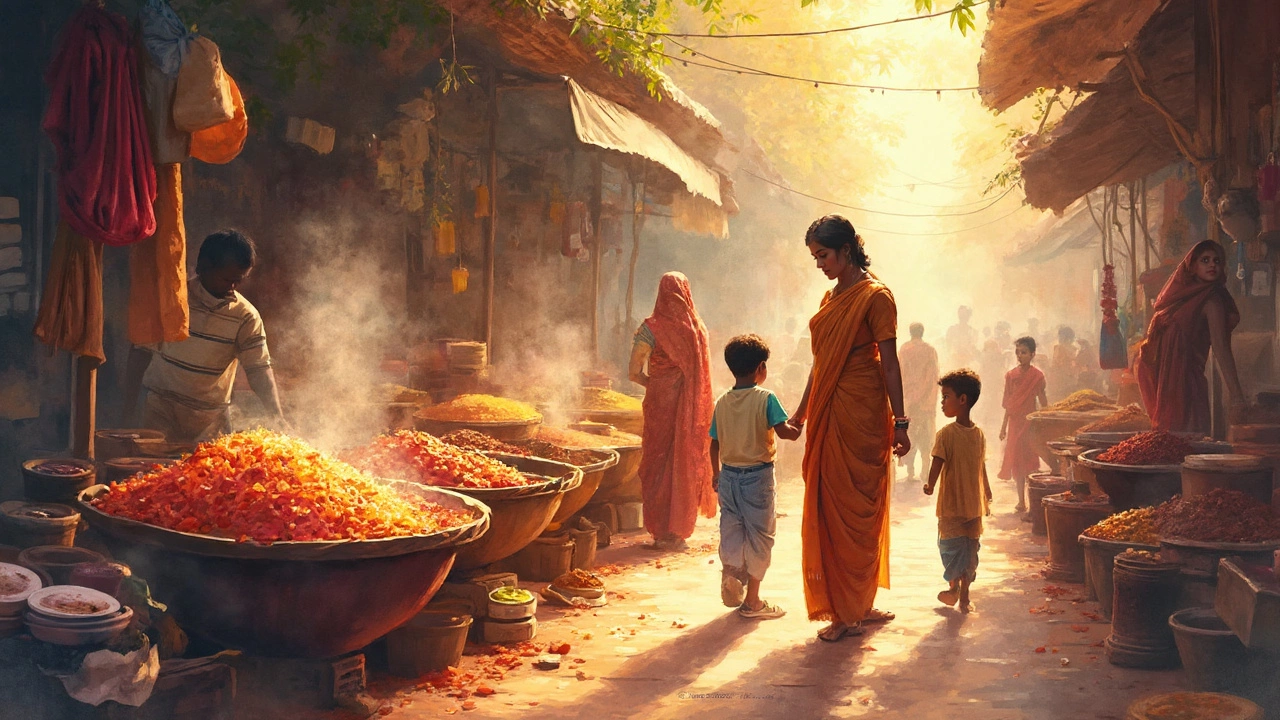
Number One Breakfast in India: Discovering Idli
Idli, a popular South Indian breakfast, is gaining recognition across India for its simplicity, versatility, and quick preparation. Made from fermented rice and lentil batter, idlis are steamed to perfection, making them both nutritious and easy to digest. These fluffy rice cakes are often paired with a variety of chutneys and sambar, adding flavor and texture. Its increasing popularity is also due to its adaptability, catering to different tastes with innovative versions popping up all over. Whether you're after something filling yet light or a meal with a twist, idli covers it all.
learn more