Ice Cream India: Traditional Indian Ice Creams and How They're Made
When you think of ice cream India, a category of frozen desserts deeply rooted in South Asian culinary tradition, often featuring slow-cooked milk, cardamom, and nuts. Also known as Indian frozen desserts, it’s not just chilled sweetness—it’s a craft passed down through generations. Unlike Western ice cream, which relies on churned cream and stabilizers, Indian ice creams like kulfi, a dense, slow-frozen milk dessert often flavored with saffron, pistachio, or rose and falooda, a layered cold drink with vermicelli, basil seeds, rose syrup, and kulfi are made by reducing milk for hours until it thickens into a rich paste. This process, called khoya or mawa, gives these desserts their signature texture—chewy, creamy, and deeply aromatic.
What makes ice cream in India unique isn’t just the ingredients, but the way it’s made and served. You won’t find electric ice cream machines in most traditional kitchens. Instead, kulfi is poured into small metal molds, sealed with dough, and buried in a mix of ice and salt to freeze slowly over hours. This method, used for centuries, creates a denser, less airy product than Western ice cream. Falooda, on the other hand, is a street-side experience—layered in tall glasses with cold milk, rose syrup, and chewy noodles, often topped with a scoop of kulfi that melts slowly into the drink. These aren’t just desserts; they’re cultural rituals tied to heat, celebration, and family.
India’s ice cream culture also includes regional twists you won’t find elsewhere: mango kulfi in the south, rose-and-cardamom falooda in the north, and even coconut-based versions in coastal areas. Many of these recipes use natural sweeteners like jaggery or date syrup instead of refined sugar. The most popular versions are often homemade, shared during festivals like Diwali or Holi, and sold by street vendors using hand-cranked freezers. You won’t find artificial flavors here—just real milk, real nuts, and real patience.
What you’ll find in the posts below are clear, no-nonsense guides on how to make these treats at home without fancy tools. From fixing grainy kulfi batter to getting the perfect falooda layering, these recipes cut through the confusion and give you exactly what works. Whether you’re trying to recreate childhood memories or just curious about how Indian ice cream differs from the kind you buy at the store, the guides here show you how it’s done—step by step, with ingredients you already have.
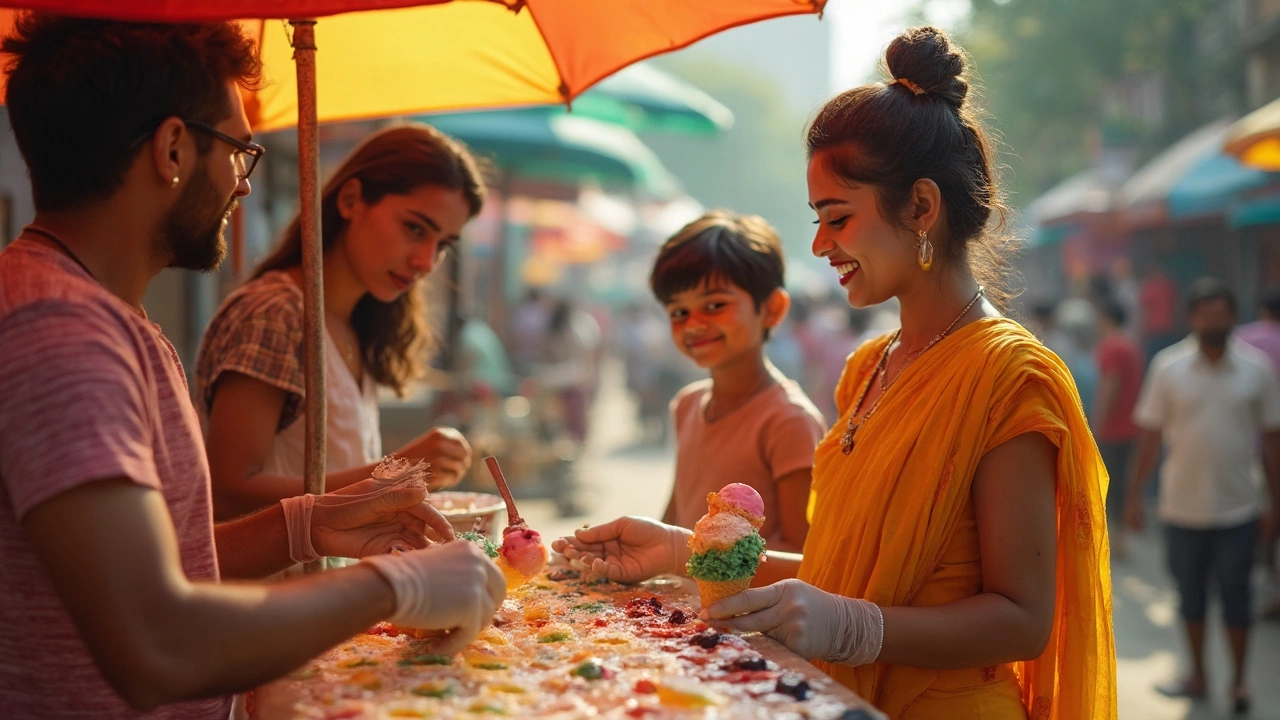
Is It Okay to Eat Ice Cream in India? Street Food Safety Guide
Ice cream on Indian streets looks tempting, but is it safe to eat? This article breaks down what you need to know about hygiene, quality, and common risks. Learn how to spot the good spots and avoid sticky situations. Tips and facts included, straight from local experiences and real stories. Stay cool and make sure your treat is worry-free.
learn more