How to Eat Chutney: Best Pairings, Techniques, and Common Mistakes
When you think of chutney, a tangy, spicy, or sweet condiment from South Indian kitchens that enhances every bite. Also known as chatni, it’s not just a side—it’s the flavor engine behind meals like dosa, idli, and vada. Most people treat it like ketchup: a squirt on top, a quick dip, and done. But that’s not how it’s meant to be eaten. Chutney isn’t an afterthought. It’s a balance. A contrast. A punch that wakes up the whole plate.
Think of South Indian breakfast, a category of meals built around fermented rice and lentil batter, served hot with chutney and sambar. You don’t pour chutney over your dosa—you spread it lightly, fold it in, and bite through layers of crisp dough, soft filling, and the bright tang of coconut or tamarind. Eat it straight from the spoon? Sure, but that’s not the point. The magic happens when chutney meets the texture of idli, the crunch of papad, or the richness of fried vada. Indian chutney, a family of condiments made from fresh herbs, fruits, spices, and sometimes roasted lentils. comes in dozens of forms: mint, tamarind, garlic, peanut, even mango. Each one has a partner. Coconut chutney loves idli. Tomato chutney stands up to samosa. Mint chutney doesn’t belong on rice—it belongs on kebabs or sandwiches.
Here’s what most people get wrong: they use too much. Chutney isn’t meant to drown the food. It’s meant to lift it. Too much coconut chutney on a dosa? It turns soggy. Too much tamarind on a snack? It overwhelms the spice. And don’t serve it cold. Room temperature lets the flavors breathe. Heat it gently if it’s thick, or stir in a drop of water if it’s too sharp. The best chutney is fresh, made that morning, and eaten within hours. Store-bought versions? They’re okay in a pinch, but they lack the life of homemade.
You’ll find chutney in every corner of India, but the way it’s eaten changes by region. In Karnataka, it’s dolloped beside a plate of masala dosa. In Tamil Nadu, it’s mixed into rice for a quick meal. In Maharashtra, it’s served with bhakri. The key isn’t the recipe—it’s the moment. When you bite into a hot, crispy dosa and the chutney hits your tongue right after the lentil batter, that’s when you understand why it’s not optional. It’s the soul of the dish.
Below, you’ll find real guides from people who cook this way every day. No theory. No fluff. Just what works: how to fix a bland chutney, what to pair it with, and why some combinations just don’t work—even if they look right on Instagram. Whether you’re new to Indian food or you’ve eaten dosa a hundred times, there’s something here that’ll change how you eat chutney forever.
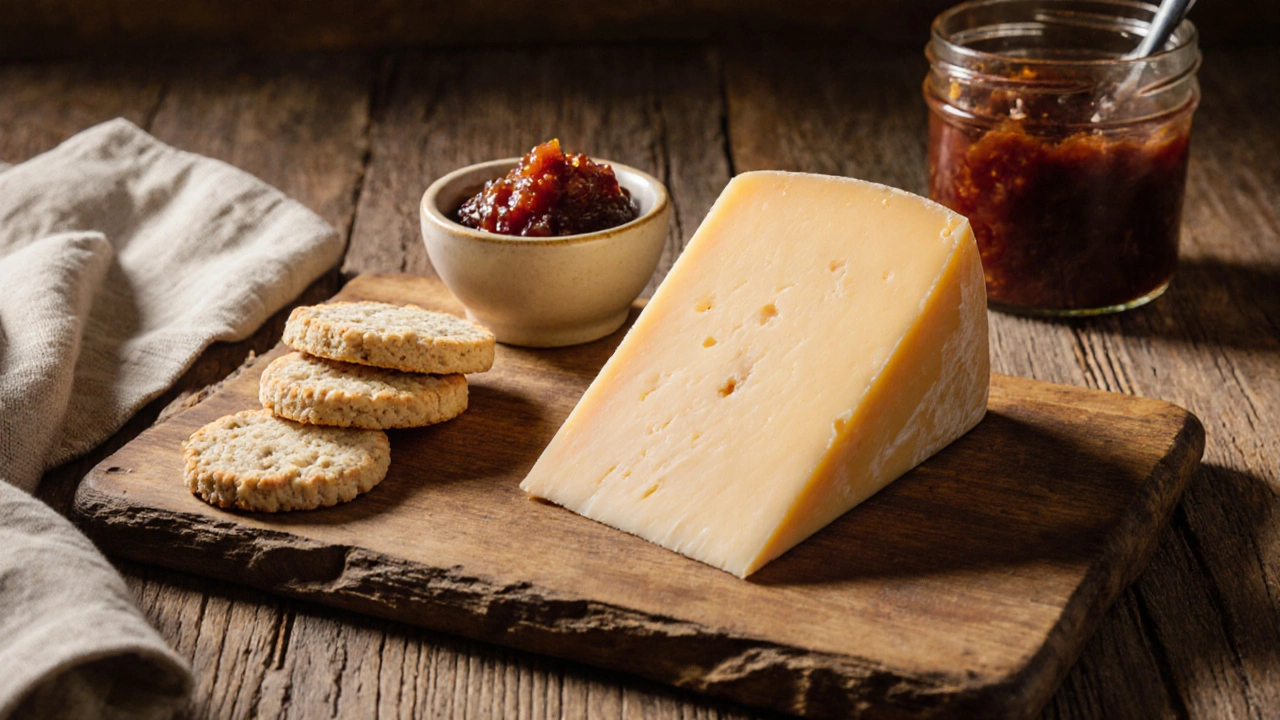
How to Eat British Chutney: Simple Ways to Enjoy It with Everyday Foods
Learn how to eat British chutney with cheese, sandwiches, meats, and breakfast foods. Simple, tasty ways to use this sweet-tangy condiment every day.
learn more