Homemade Biryani Masala: Build Flavor from Scratch
When you make homemade biryani masala, a custom blend of whole and ground spices toasted and ground fresh for biryani. Also known as biryani spice mix, it's the soul of every great biryani—no pre-packaged powder can match its depth. Store-bought blends often skip the toasting step, dull the aromatics, and pile on salt and fillers. Making your own means you control the heat, the fragrance, and the balance. It’s not harder than boiling rice—it just needs attention.
The magic starts with whole spices, like green cardamom, black cardamom, cloves, cinnamon, and bay leaves. These are dry-roasted until they smell like a street market in Mysore, then crushed. Ground spices, like turmeric, coriander, cumin, red chili powder, and a touch of saffron, come next. Each one plays a role: turmeric for color and earthiness, coriander for brightness, cumin for warmth, chili for kick. Saffron? That’s the luxury finish. You don’t need much—just a few strands soaked in warm milk. The real secret? Freshly ground black pepper and a pinch of nutmeg. Most recipes leave those out, but they lift the whole thing.
And it’s not just about the spices. The way you layer them matters. You don’t dump everything in at once. You bloom the whole spices in hot ghee or oil first. Then you add the ground mix and stir until it smells like dinner is already on the table. That’s when you know you’ve got it right. This step? It’s what separates a good biryani from one that makes you close your eyes and smile. People think the rice or the meat is the star. But it’s the masala. Without it, biryani is just flavored rice.
Some folks skip this and use curry powder or garam masala as a shortcut. But those blends are for curries—not biryanis. Garam masala is meant to be added at the end. Biryani masala is built from the ground up, with spices chosen for how they hold up to slow cooking and steam. The ones in your collection here? They all get this right. Whether it’s how lemon cuts through the richness, why parboiling rice just right matters, or how long to let the dish steam under a tight lid—every post ties back to one truth: flavor starts with your own hands mixing spices, not a jar on a shelf.
Once you make your own biryani masala once, you won’t go back. It’s cheaper, fresher, and way more satisfying. And the best part? You can tweak it. Too spicy? Reduce the chili. Want more floral notes? Add a little more cardamom. It’s your blend now. The posts below show you how to use it, when to add it, and what goes with it—because great biryani isn’t just about the spice mix. It’s about how you let it breathe, how you layer it with rice and meat, and how you let the steam do the rest. You’re not just cooking. You’re building flavor, one spice at a time.
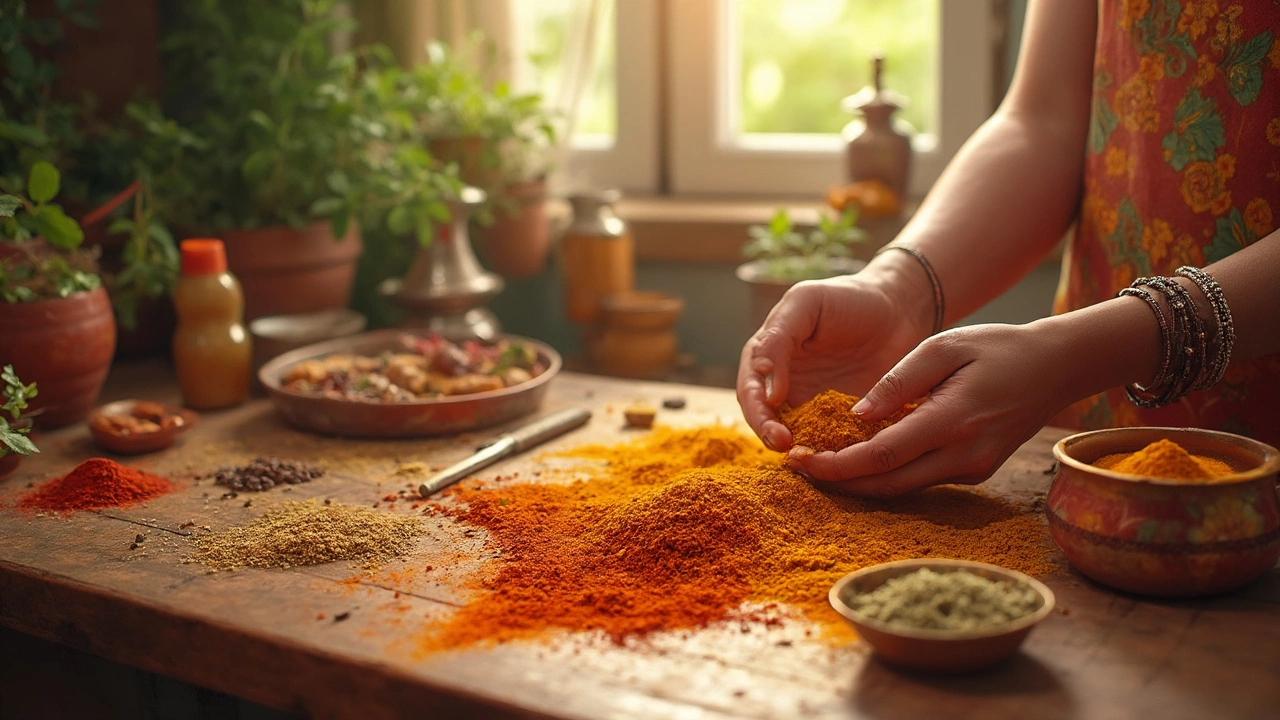
Substitute for Biryani Masala: Your Handy Guide
Stuck without biryani masala? Don't worry! This article offers a detailed guide on how to create your own substitute for biryani masala using common spices you probably have at home. You'll learn what essential flavors are needed to bring that authentic taste right to your kitchen. So, gear up to mix, match, and master your spice blend!
learn more