High Fat Indian Snacks: Crispy, Rich, and Traditional Treats
When you think of high fat Indian snacks, crispy, deep-fried bites that are rich in ghee, oil, or coconut milk and deeply embedded in regional food culture. Also known as Indian fried appetizers, they’re not just comfort food—they’re the heartbeat of morning tea, evening street stalls, and festive gatherings. These snacks aren’t about guilt. They’re about balance—fat carries flavor, creates crunch, and makes simple ingredients like lentils, potatoes, and dough feel luxurious.
Think of samosa, a triangular pastry filled with spiced potatoes and peas, fried until golden and served with tangy chutney. Or vada, a lentil doughnut fried in hot oil, soft inside, crispy outside, and often eaten with coconut chutney. Then there’s pakora, vegetables dipped in chickpea batter and fried until crisp, a rainy-day staple across North and South India. These aren’t modern inventions. They’ve been made the same way for generations—using the same oils, the same techniques, the same patience.
Why so much fat? Because it’s not just about taste—it’s about texture. Fat makes dough flaky, batter airy, and potatoes tender. It helps spices cling and bloom. A dosa might be light and crisp, but a vada? It’s dense, rich, and satisfying in a way that low-fat versions simply can’t match. Even in vegetarian diets, where protein often comes from lentils and dairy, fat is the glue that holds flavor together. You’ll find these snacks in homes, in temples, on street corners, and at weddings—not because they’re unhealthy, but because they’re meaningful.
Some of these snacks are made with coconut oil, others with mustard oil, ghee, or sunflower oil—each adding its own layer of aroma and depth. The choice of oil isn’t random. In Karnataka, coconut oil gives pakoras a subtle sweetness. In Punjab, ghee makes samosas richer. In Tamil Nadu, urad dal vadas rely on hot oil to puff up perfectly. These aren’t just recipes—they’re regional identities.
You won’t find low-fat versions of these in traditional kitchens. Why? Because the process is designed around fat. Soaking lentils, fermenting batter, frying at the right temperature—it all depends on oil’s ability to transfer heat quickly and evenly. Skip the fat, and you lose the soul of the snack.
Below, you’ll find real guides from people who’ve tried, failed, and fixed these snacks. Learn why your samosa turns soggy, how to get vadas to puff like they should, and why the oil temperature matters more than the recipe. These aren’t theory pieces. They’re fixes from kitchens that know the difference between good and great.
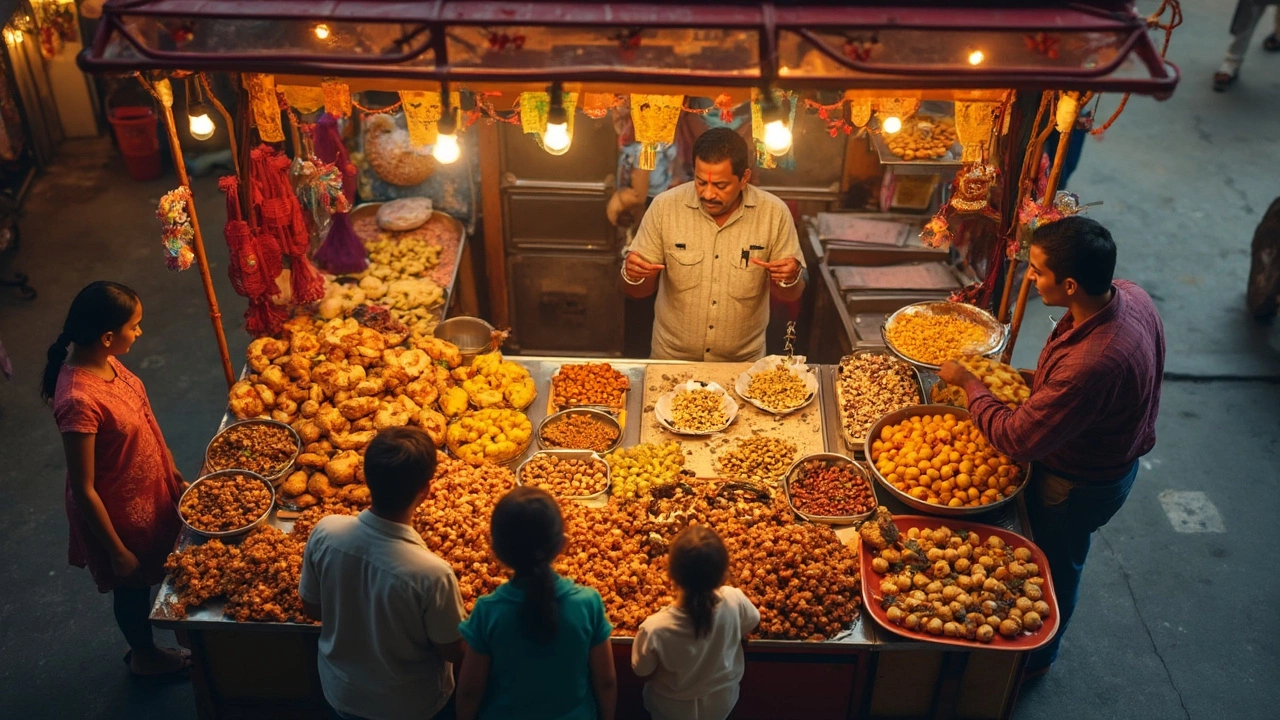
Indian Food High in Fat: Surprising Snack Choices
Indian snacks come in many forms, but some are loaded with more fat than you might expect. This article breaks down which Indian foods pack the most fat and why they end up so rich. Get practical tips on how to enjoy these treats without overloading your system. Find out which classic snacks to hold back on if you're watching your fat intake. Learn easy swaps and small changes to keep things tasty but healthier.
learn more