Healthy Cuisine from Mysore: Real Food, Real Flavor
When we talk about healthy cuisine, a way of eating that prioritizes whole, minimally processed foods for long-term well-being. Also known as nutrient-dense cooking, it doesn’t mean bland salads or boiled chicken—it means food that tastes good and does good. In Mysore, healthy cuisine isn’t a trend. It’s the daily rhythm of life, built on centuries of tradition, local ingredients, and smart cooking. You won’t find kale smoothies here. Instead, you’ll find turmeric, a golden root spice with powerful anti-inflammatory properties, used daily in dal, rice, and curries simmered into lentils, or lentils, protein-rich legumes like toor dal and urad dal, soaked, fermented, and cooked into meals that digest easily and keep energy steady. These aren’t supplements. They’re staples. And they’re what make Mysore’s food so deeply nourishing.
Healthy cuisine here doesn’t rely on expensive superfoods or strict diets. It’s built on what’s fresh, seasonal, and local. A simple breakfast of dosa, a fermented rice and urad dal crepe, naturally gluten-free and packed with probiotics from overnight fermentation served with coconut chutney isn’t just tasty—it’s gut-friendly. The chutney? Made with fresh herbs, green chilies, and a touch of tamarind, not sugar or preservatives. Even the rice in biryani is parboiled just right to keep its fiber intact, not turned to mush. This isn’t health food. It’s just food—cooked the way it’s always been done, before anyone started calling it "healthy."
What makes Mysore’s healthy cuisine different?
It’s not about cutting things out. It’s about what’s included. Ginger and garlic in every curry. Curry leaves fried in oil to unlock their aroma. Black mustard seeds popping in hot ghee. These aren’t flavor add-ons—they’re medicine in plain sight. Studies show turmeric’s curcumin works best when paired with black pepper, and that’s exactly what you’ll find in every pot of dal. No one here reads labels. They just know that if it smells right and tastes right, it’s good for you. And it is.
What you’ll find in the posts below isn’t a list of diet plans. It’s a collection of real kitchen truths—how to make dosa crispy without oil, why lemon makes biryani taste brighter and digest easier, how to cook lentils so they don’t bloat you, and why the ratio of rice to urad dal matters more than you think. These aren’t hacks. They’re habits. And they’re the reason people in Mysore eat well without trying.
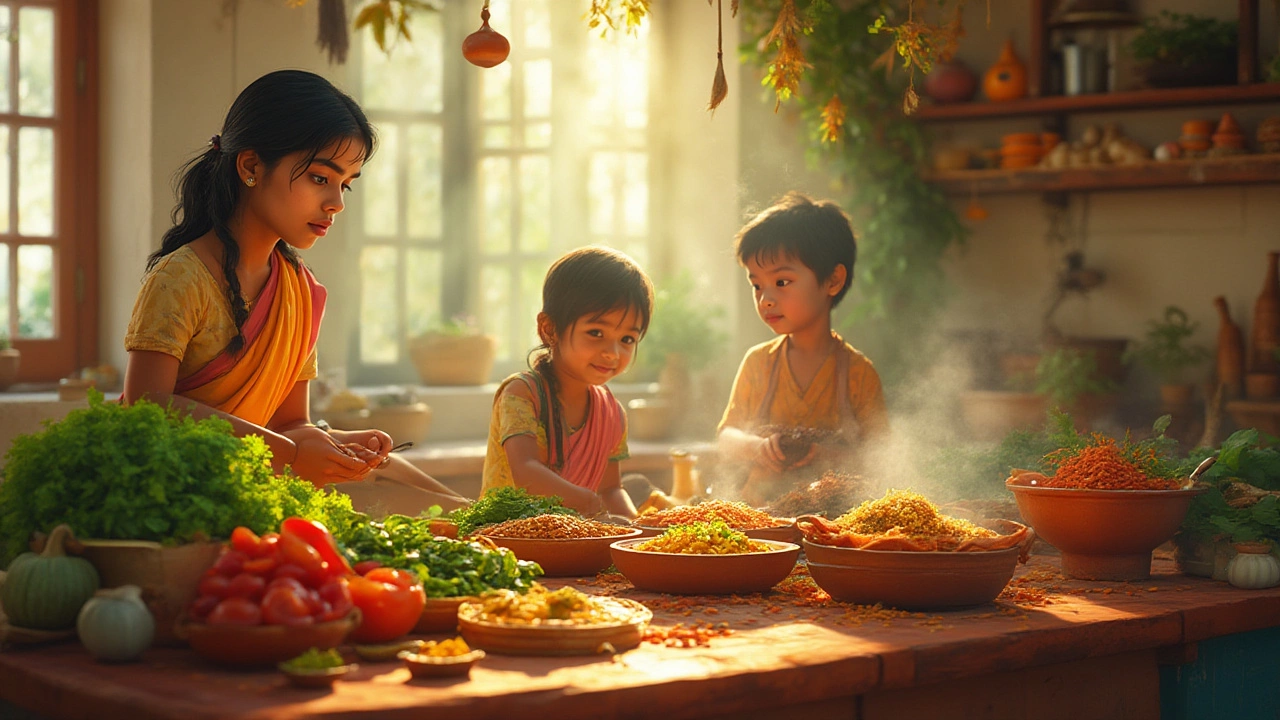
Indian vs Chinese Food: Which Cuisine Is Healthier for You?
Curious if Indian or Chinese cuisine is better for your health? Get surprising facts, real numbers, and expert tricks to eat smarter and stay healthy.
learn more