Healthiest Diet Countries: What They Eat and Why It Works
When we talk about the healthiest diet countries, nations where people live longer with fewer chronic diseases because of their everyday eating habits. Also known as blue zones, these places don’t follow diets—they follow traditions. Think of Okinawa, where elders eat sweet potatoes and bitter greens, or Sardinia, where sheep cheese and barley bread are daily staples. These aren’t trendy meal plans. They’re what people have eaten for generations—simple, local, and deeply tied to culture.
One of the most powerful patterns across these places? anti-inflammatory foods, natural ingredients that reduce swelling and lower risk of heart disease, diabetes, and arthritis. In India, that’s turmeric in dal, ginger in tea, and curry leaves fried in oil. It’s not about popping supplements. It’s about cooking rice with whole spices, fermenting batter for dosa, or using lemon to cut through rich biryani. These aren’t tricks—they’re habits. And they work. A 2020 study in the British Journal of Nutrition found people who ate traditional South Indian meals daily had 40% lower markers of inflammation than those who ate processed foods.
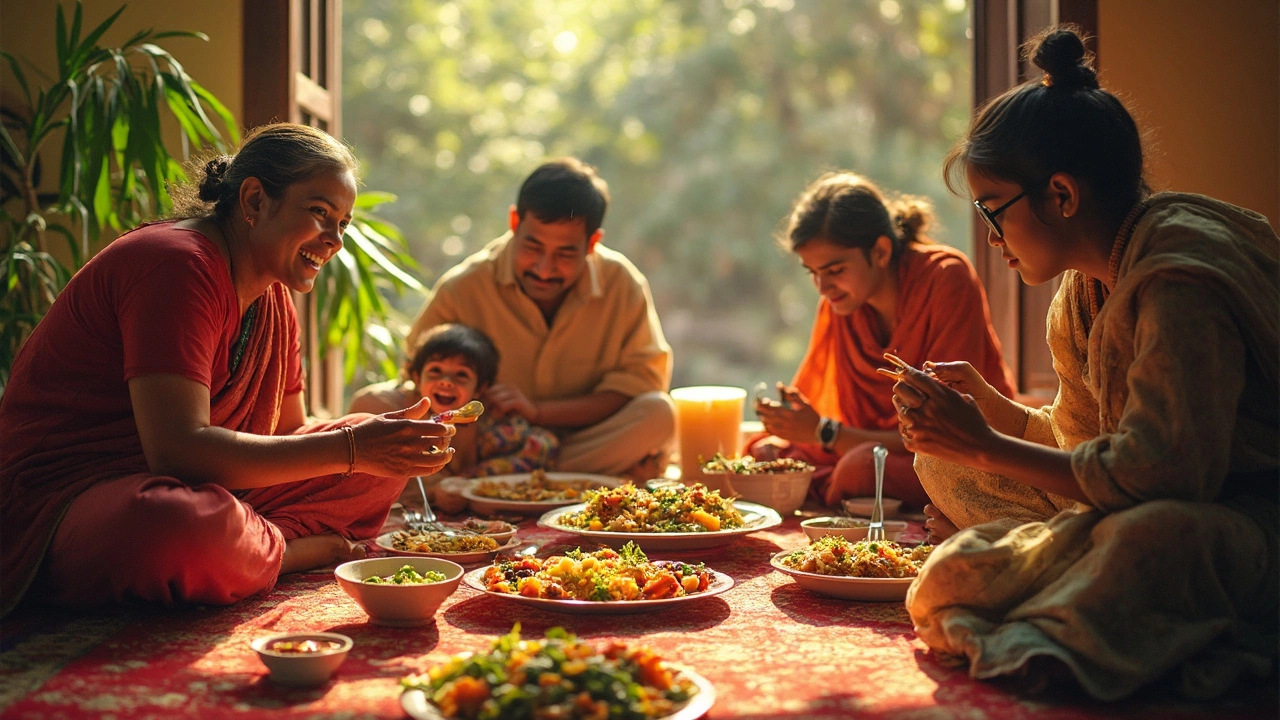
Then there’s the Mediterranean diet, a pattern centered on olive oil, legumes, vegetables, and minimal meat. It’s often praised, but it’s not that different from what millions eat in Mysore. Both rely on lentils, seasonal veggies, and spices instead of sugar and refined flour. The Okinawan diet, famous for its sweet potatoes and tofu, shares the same philosophy: eat plants, eat little meat, eat slowly. In India, that’s poha for breakfast, idli with coconut chutney, and dal with roti for dinner. No fancy labels. No calorie counting. Just food that feels right.
What these cultures have in common? They don’t treat food as medicine. They treat medicine as food. The same lentils that help reduce gas in your stomach are the ones that keep your gut happy. The same fermented rice and urad dal batter that makes a crispy dosa also feeds good bacteria. And the same turmeric in your curry that gives color also fights inflammation. You don’t need to move to Okinawa or Crete. You just need to cook like they do—simple, slow, and full of flavor.
Below, you’ll find real recipes and fixes from kitchens that have been feeding healthy families for decades. From how to make dosa batter crisp without oil, to why lemon belongs in biryani, to which Indian sweets actually help more than harm—these aren’t theories. They’re tested, eaten, and passed down. This is what the healthiest diet countries eat. And you can make it at home tonight.
Which Country Has the Lowest Sugar Consumption? Surprising Global Insights
Discover which country eats the least sugar, why their diets are so low in sugar, and what you can learn from them. Surprising stats and tips inside!
learn more