Health Benefits of Traditional Indian Foods
When you think of health benefits, the positive effects on the body from food and lifestyle choices. Also known as nutritional advantages, it's not just about counting calories—it’s about what your food does inside you. Indian cooking isn’t just about spice and flavor. It’s packed with ingredients that have been used for centuries to support digestion, reduce swelling, and keep energy steady. Take turmeric, a bright yellow spice with curcumin, known for strong anti-inflammatory properties. It’s not just in curry for color—it’s there because it helps calm chronic inflammation, and studies show it works better when paired with black pepper and lentils. You don’t need pills. A simple bowl of dal with turmeric, ginger, and a pinch of cumin gives you more than taste—it gives your body a reset.
lentils, small legumes that are high in fiber, protein, and slow-digesting carbs are the backbone of daily meals across India. They’re cheap, easy to cook, and gentle on the gut when soaked and spiced right. Many people avoid them because they cause gas, but traditional methods—like soaking overnight, adding asafoetida, and pressure cooking—cut that problem by half. That’s not magic. It’s science. Lentils feed good gut bacteria, stabilize blood sugar, and keep you full longer than refined grains. And when you pair them with rice or roti, you get a complete protein without meat. Even dosa batter, made from fermented rice and urad dal, becomes easier to digest and richer in B vitamins. Fermentation isn’t just old-school—it’s a natural probiotic boost.
The real power of Indian food isn’t in exotic superfoods. It’s in the daily habits: lemon in biryani to cut through heaviness, coconut milk added slowly to avoid curdling, onions blended to make curry smoother and easier on digestion. These aren’t random tricks. They’re fixes born from generations of trial and error. If you’ve ever felt bloated after a meal, or tired in the afternoon, or achy from inflammation, the answer might be in your pantry, not your medicine cabinet. The posts below show you exactly how these foods work—why turmeric beats pills, how to make lentils stomach-friendly, and why your dosa batter needs time to ferment. No fluff. Just clear, practical truths from kitchens in Mysore to your stove.
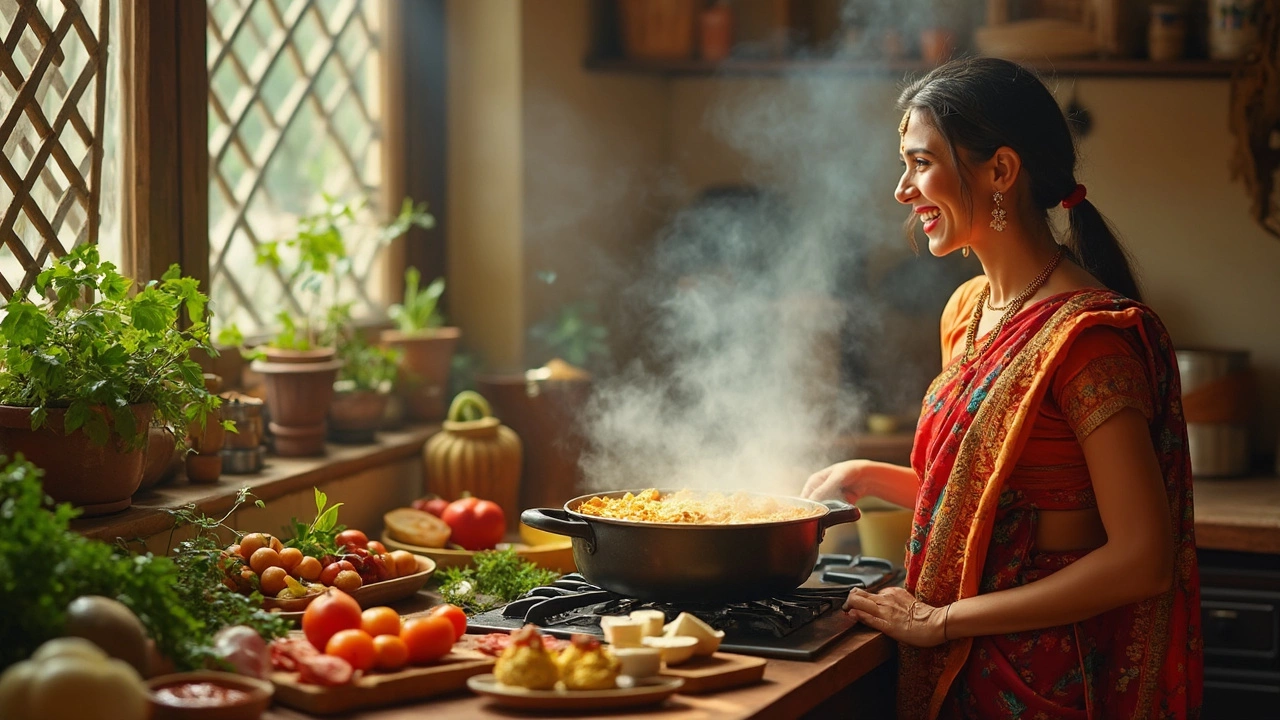
Is It OK to Eat Paneer Everyday? Homemade Benefits Unpacked
Eating paneer every day is a hot topic, especially for those who love homemade options. This article breaks down whether it's safe, healthy, or even beneficial to have paneer as a daily staple. Get clear facts on nutrition, digestion, and possible risks if you overdo it. You'll also learn how making paneer at home can actually impact its health value. Find easy tips on keeping your paneer habit balanced without missing out on its protein boost.
learn more
Dosa vs Rice: Which is the Healthier Choice?
Dosa, a beloved Indian crepe, often competes with rice as a staple in many meals. Both foods are made from similar ingredients but differ in preparation, nutritional content, and health benefits. Understanding the differences can help you make informed dietary choices. This article explores the nutritional facts and health benefits of dosa and rice, including interesting facts and tips on how to prepare healthy versions of these staples.
learn more