Hard Paneer: What It Is, How It's Used, and Why It Matters in Indian Cooking
When you think of hard paneer, a firm, non-melting Indian cheese made by curdling milk with acid, often used in grilled or fried dishes. Also known as firm paneer, it holds its shape under high heat and absorbs spices without falling apart. This isn’t the soft, crumbly paneer you might find in a buttery gravy—it’s the kind you cube, skewer, or fry until golden. You’ll see it in paneer tikka, paneer bhurji, or even stuffed into parathas. It’s the backbone of many North Indian dishes where texture matters as much as flavor.
Hard paneer isn’t just a variation—it’s a deliberate choice. The difference between soft and hard paneer comes down to how much water you press out. More pressure, longer draining, and sometimes even chilling under weight turns the cheese dense. This is why restaurants press paneer overnight before cooking. If you skip this step, your paneer turns rubbery or falls apart in the curry. It’s not a mistake—it’s a technique. And that’s why recipes like Paneer Butter Masala and Halloumi vs Paneer keep coming up in this collection. People don’t just want cheese—they want cheese that performs.
Hard paneer also plays well with other ingredients. It doesn’t soak up oil like tofu, and it doesn’t melt like mozzarella. That’s why it’s perfect for grilling over charcoal or frying in hot oil. You can marinate it, char it, or toss it into a spicy tomato sauce and it still holds up. Compare that to soft paneer, which dissolves into the gravy. That’s fine for some dishes, but not for others. If you’ve ever bitten into a paneer tikka that turned mushy, you know what happens when you use the wrong kind.
The posts here don’t just talk about paneer—they show you how to control it. You’ll find tips on pressing, frying, and even how to fix paneer that’s too soft. You’ll learn why some cooks soak it in warm water before cooking, and why others skip that step entirely. You’ll see how it pairs with spices like cumin, garam masala, and smoked paprika. And you’ll understand why it’s often the star in vegetarian meals across India—not because it’s fancy, but because it’s reliable.
Hard paneer doesn’t need a lot of explanation. But it does need the right handling. Once you get the texture right, you unlock a whole category of dishes. No more soggy bites. No more falling apart on the plate. Just solid, spiced, satisfying cheese that stands up to heat, flavor, and time. Below, you’ll find real recipes, real fixes, and real stories from people who cook with it every day. Whether you’re new to paneer or just tired of mushy results, what follows will change how you use it.
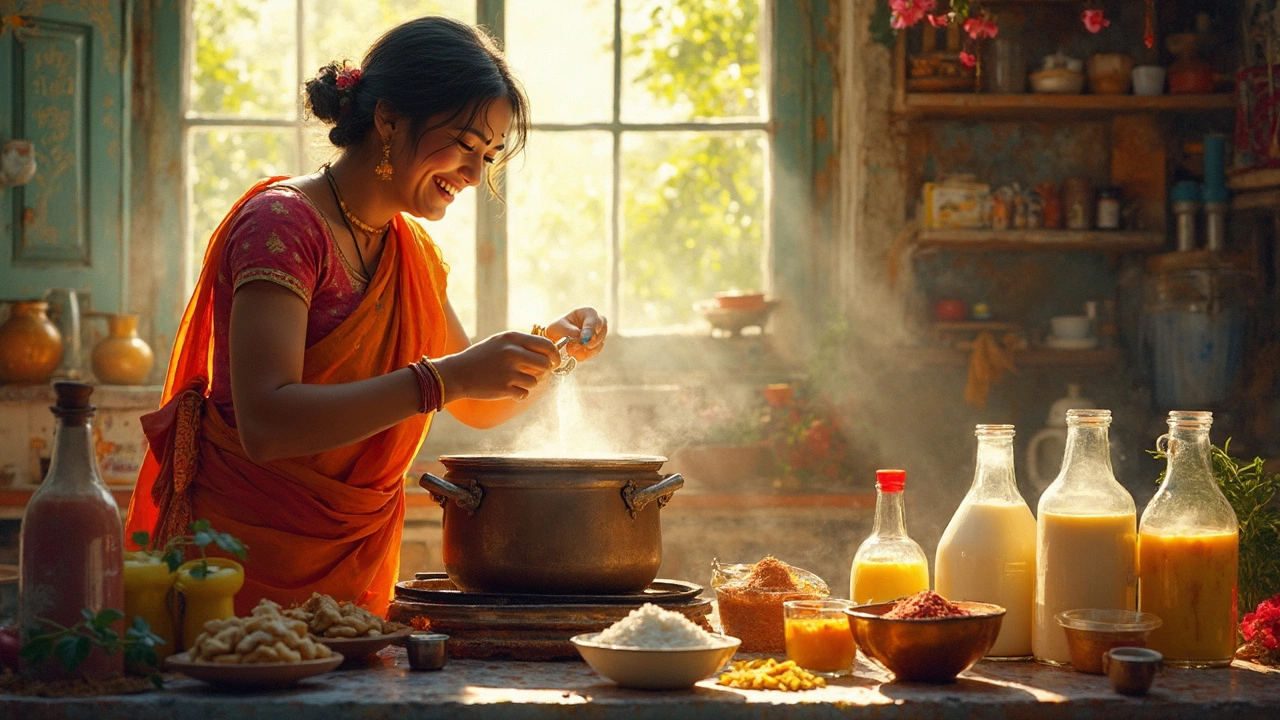
Why Is Homemade Paneer Hard?
Ever wondered why your homemade paneer ends up like a brick instead of soft and crumbly? In this article, we delve into common mistakes and simple tips to ensure your paneer is perfectly tender every time. We unravel the science behind achieving the right texture and offer practical advice that even beginners can follow. Get ready to transform your paneer-making experience with these easy-to-implement strategies.
learn more