Grilling Techniques for Authentic Indian Flavors
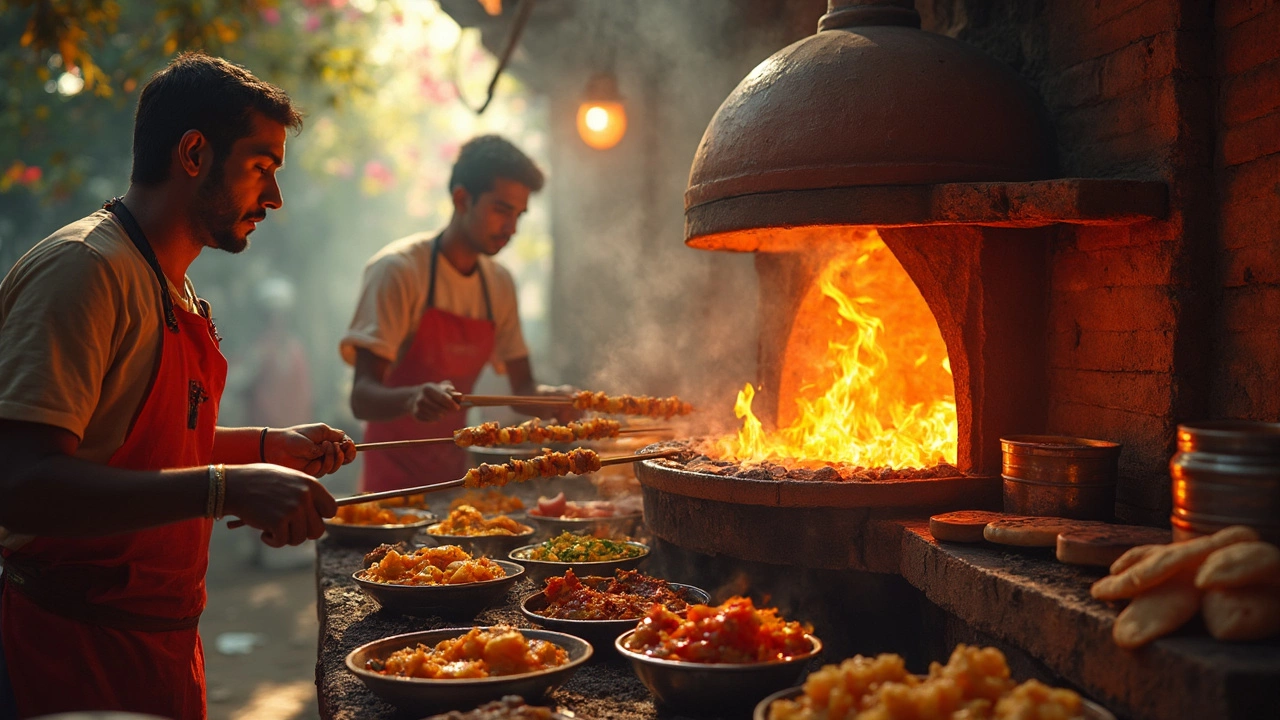
When you think of grilling techniques, the methods used to cook food over direct heat, often with smoke and high temperatures. Also known as charcoal cooking, it’s not just about searing meat—it’s about locking in spice, smoke, and soul. In Indian kitchens, grilling isn’t an afterthought. It’s how tandoori chicken gets its signature char, how kebabs stay juicy inside, and how flatbreads like naan stick to the walls of a clay oven and come out blistered and perfect. This isn’t backyard BBQ. This is centuries-old heat control passed down through generations.
What makes Indian grilling different? It’s not just the fire—it’s the tandoor, a cylindrical clay oven heated with charcoal or wood, used to cook breads and meats at very high temperatures. The walls absorb and radiate heat evenly, giving food a smoky depth no gas grill can copy. But you don’t need a tandoor to get close. A cast-iron skillet, a broiler, or even a charcoal grill can mimic the effect if you know how to manage heat and timing. The real secret? Marination. Tandoori chicken isn’t just spiced—it’s soaked in yogurt, lemon, and spices for hours. That yogurt doesn’t just tenderize; it creates a crust when it hits high heat. Skip that step, and you’re just eating grilled chicken with red coloring.
Grilling techniques in India also connect to other staples you might not expect. That crispy dosa? It’s not grilled, but the same principle applies—heat control, batter consistency, and timing make or break the result. The same goes for biryani rice, where parboiling before steaming is a form of controlled heat application. Even curry spices like cumin and coriander are often dry-roasted before grinding, releasing oils that turn bland powders into aromatic powerhouses. These aren’t random steps. They’re all part of a larger system of heat-based flavor building.
You’ll find posts here that show you exactly what not to do with tandoori chicken—like using metal bowls or too much oil—and how to fix soft dosas by adjusting batter fermentation. You’ll learn why lemon in biryani isn’t optional, and how turmeric and ghee work together under heat to create depth. This isn’t about fancy tools. It’s about understanding how fire, spice, and time interact. Whether you’re charring chicken on a grill or crisping a dosa on a hot pan, the rules are the same: preheat, prepare, and don’t rush. The next time you cook, ask yourself: am I just heating food—or am I building flavor?
Tandoori: Spice Mix or Oven? Understanding Its Real Meaning
Is tandoori a spice or an oven? Break down the myths and get the complete story. Find out how tandoori shapes Indian cuisine, from clay ovens to vibrant spices.
learn more