Global Sugar Statistics: What the Data Reveals About Our Sweet Habits
When we talk about global sugar statistics, the measurable patterns of sugar consumption across countries and populations. Also known as sugar intake trends, it reveals how much added sugar people consume daily—and how that affects everything from health to food traditions. This isn’t just about candy or soda. It’s about the sugar hiding in bread, sauces, yogurt, and even savory snacks. And it’s not evenly spread. Some nations eat twice as much sugar as others, while many still rely on natural sweeteners like jaggery or palm sugar in daily cooking.
What do these numbers mean for your kitchen? If you’re making dosa batter, biryani, or chutney, sugar isn’t just a flavor booster—it’s part of a global system. The same sugar that ends up in your curry or sweet treats like phool jhadi is tracked in global databases. The WHO recommends no more than 25 grams of added sugar per day. Yet, in countries like the U.S. and Brazil, the average person consumes over 70 grams. That’s more than triple the limit. And in India, while traditional meals use less refined sugar, packaged snacks and beverages are changing that fast. This shift shows up in the recipes you find online: more people are asking how to reduce sugar in chutney, how to balance sweetness in biryani, or how to replace sugar in Indian sweets without losing texture.
These statistics aren’t just numbers—they connect to the food you cook. When you learn why lemon cuts through richness in biryani, or how to fix soft dosa batter, you’re already adjusting for balance. Sugar plays a role in fermentation, texture, and shelf life. Too much can mask spice, ruin fermentation, or make sweets sticky and shelf-unstable. The global data shows us we’re eating more sugar than our bodies were designed for. But awareness helps. Whether you’re swapping sugar for jaggery in sweets, skipping sweetened yogurt in breakfast, or adjusting chutney recipes to be less cloying, you’re making choices that align with what the data says. Below, you’ll find real recipes and fixes from home cooks who’ve adjusted their meals—not because they followed a diet trend, but because they saw the numbers and asked: Do I really need this much sugar?
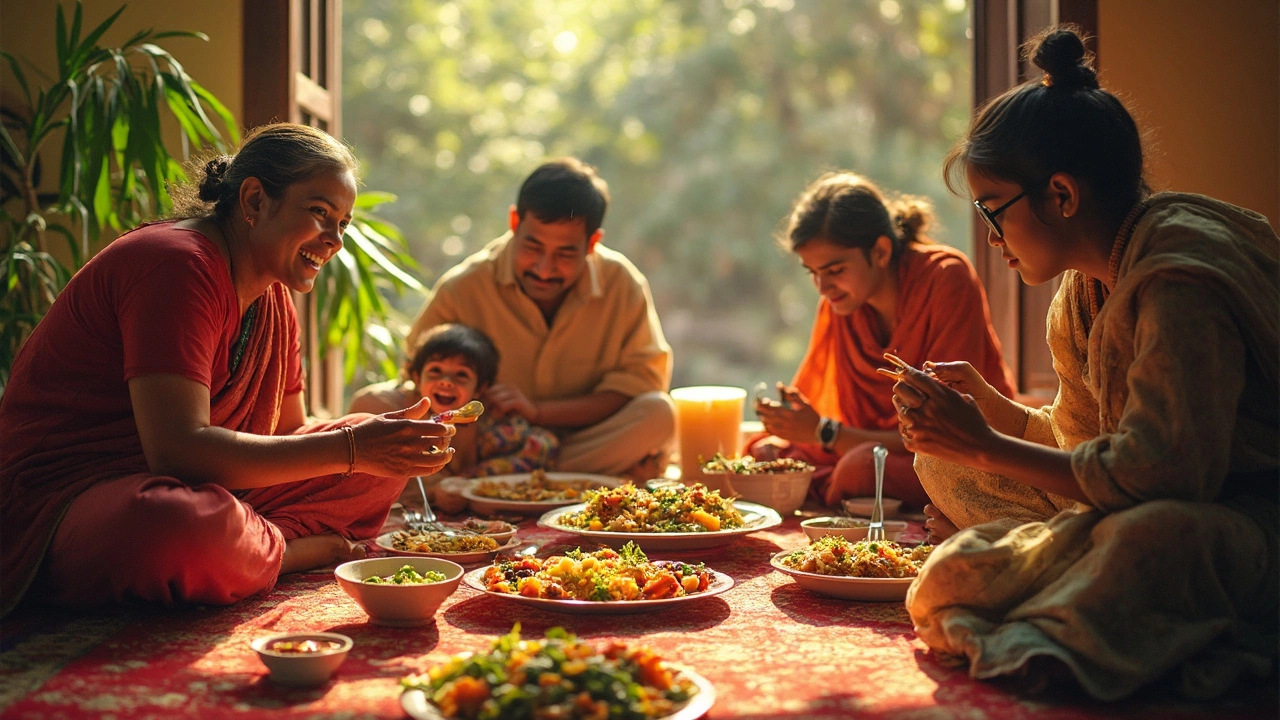
Which Country Has the Lowest Sugar Consumption? Surprising Global Insights
Discover which country eats the least sugar, why their diets are so low in sugar, and what you can learn from them. Surprising stats and tips inside!
learn more