Global Eating Trends: What the World Is Really Eating Now
When we talk about global eating trends, the shifting patterns in what people choose to eat across cultures and continents. Also known as food trends, it reflects real habits—not just Instagram posts or fancy restaurants. These trends aren’t born in labs or marketing departments. They come from kitchens where people cook the same meals day after day, like the fermented rice and urad dal batter that becomes a crispy dosa, a thin, fermented South Indian crepe often served with chutney and sambar. Or the layered rice dish with spices and meat called biryani, a fragrant, slow-cooked rice dish that’s a staple across India and beyond. These aren’t exotic curiosities—they’re the backbone of what millions eat every morning and night.
What’s surprising is how these meals are quietly reshaping global food culture. You won’t find a single trend that says "everyone eats biryani now," but you’ll see it pop up on menus from Berlin to Boston. Why? Because it works. It’s flavorful without being overwhelming, filling without being heavy, and it adapts. Same with chutney, a tangy, spicy condiment from India that’s replacing ketchup in sandwiches and cheese boards worldwide. People aren’t just trying it because it’s "ethnic"—they’re using it because it cuts through fat, brightens up bland food, and adds depth with just a spoonful. It’s not a gimmick. It’s a tool.
And it’s not just about taste. Global eating trends are also about practicality. When someone in London makes poha for breakfast instead of cereal, it’s not because they’re chasing authenticity—it’s because it’s fast, cheap, and keeps them full. When someone in Toronto swaps out curry powder for a blend of cumin, turmeric, and coriander, they’re not following a recipe—they’re learning how to build flavor from scratch. That’s the real shift: people are moving away from pre-made mixes and toward real ingredients, even if they don’t know the names of the spices. They just know it tastes better.
What you’ll find here isn’t a list of buzzwords or viral food hacks. It’s a collection of honest, no-nonsense guides that show how these global shifts connect to real Indian cooking. You’ll learn why lemon makes biryani taste better, why your dosa turns soft, how chutney pairs with everything from toast to grilled meat, and what ingredients actually make curry taste like home. No fluff. No trends dressed up as traditions. Just the facts, the fixes, and the flavors that have fed families in Mysore for generations—and are now feeding the world.
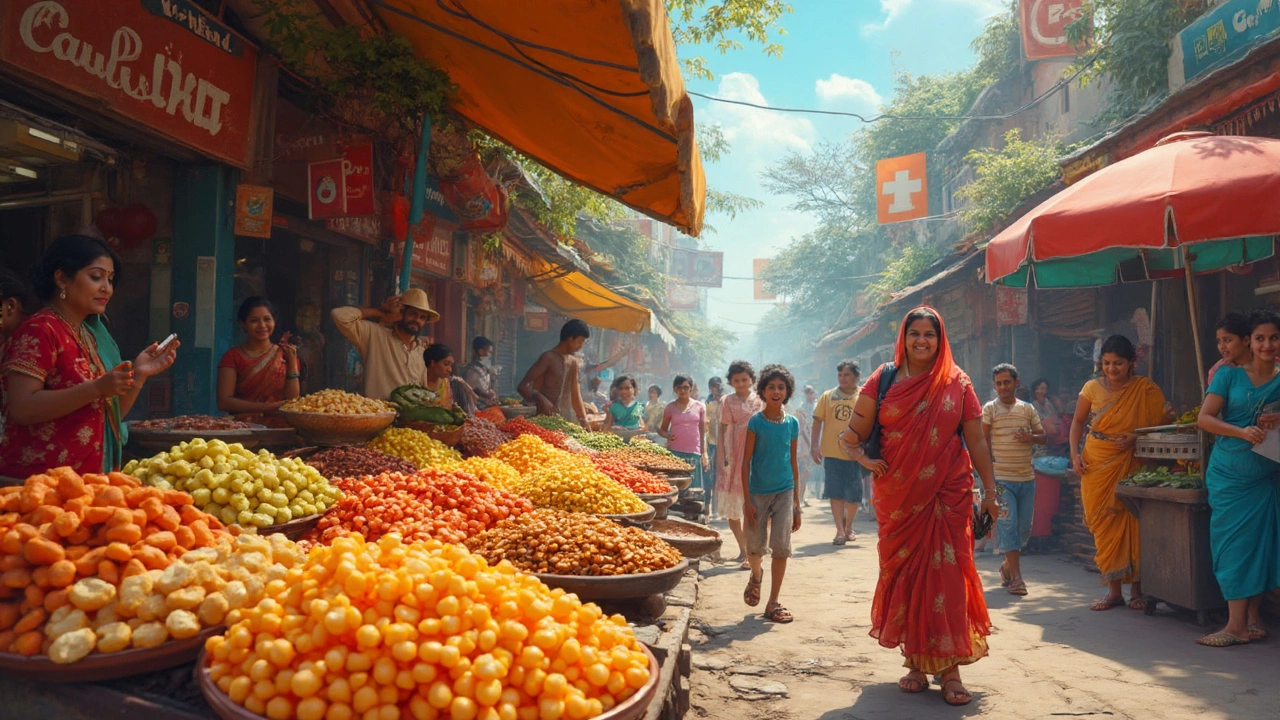
Unmasking the World's Unhealthiest Eaters
Explore which country leads in unhealthy food consumption and how Indian snacks offer a healthier alternative. Delve into surprising facts about global diet trends and health impacts. See how simple swaps can enhance your wellbeing.
learn more