Ginger in Indian Cooking: How This Spice Powers Flavor in Dosa, Biryani, and Curry
When you think of ginger, a pungent, aromatic root used for thousands of years in South Indian cooking. Also known as adrak, it's not just a spice—it's a flavor builder, a digestive aid, and a secret weapon in nearly every traditional dish. You won’t find a single authentic Mysore recipe that leaves it out. From the golden base of a chicken curry to the fermented batter of a crispy dosa, ginger doesn’t just add heat—it adds depth, balance, and soul.
It works with turmeric, the yellow spice that gives curry its color and anti-inflammatory punch, to create a base that’s more than the sum of its parts. In biryani, grated ginger blends into the masala, cutting through the richness of ghee and balancing the sweetness of saffron. In dosa batter, it’s often ground with urad dal to help fermentation and add a subtle zing that makes the final crisp more interesting. And in dal, a pinch of ginger powder or fresh paste helps reduce bloating—something every home cook in South India knows by instinct.
It’s also the reason your chutney doesn’t taste flat. Whether it’s coconut chutney with roasted cumin or tomato chutney with tamarind, ginger is the hidden layer that lifts everything else. You don’t always notice it, but you’d miss it if it were gone. It’s not flashy like cardamom or loud like red chili, but it’s the steady hand that keeps flavors from collapsing.
What’s fascinating is how it shows up in places you wouldn’t expect. In some Mysore-style sambar recipes, ginger is fried with mustard seeds before adding lentils—not just for flavor, but to stabilize the texture. In paneer dishes, it’s often blended with garlic to tame the dairy’s heaviness. Even in sweets like payasam, a tiny bit of grated ginger adds warmth without sweetness.
And here’s the thing: fresh ginger isn’t just better—it’s non-negotiable. Powdered ginger can’t replicate the bright, sharp bite that comes from grating it yourself. That’s why every post in this collection that mentions curry, biryani, or dosa almost always includes ginger—not as an afterthought, but as a core ingredient. You’ll find tips on how much to use, when to add it, and how to store it so it stays potent.
If you’ve ever wondered why your curry tastes dull or your dosa lacks that signature bite, the answer is often right in your spice rack—and you just might be skipping the ginger. This collection pulls together every real-world tip, trick, and fix that uses ginger to elevate everyday Indian cooking. No fluff. No theory. Just what works in a home kitchen in Mysore.
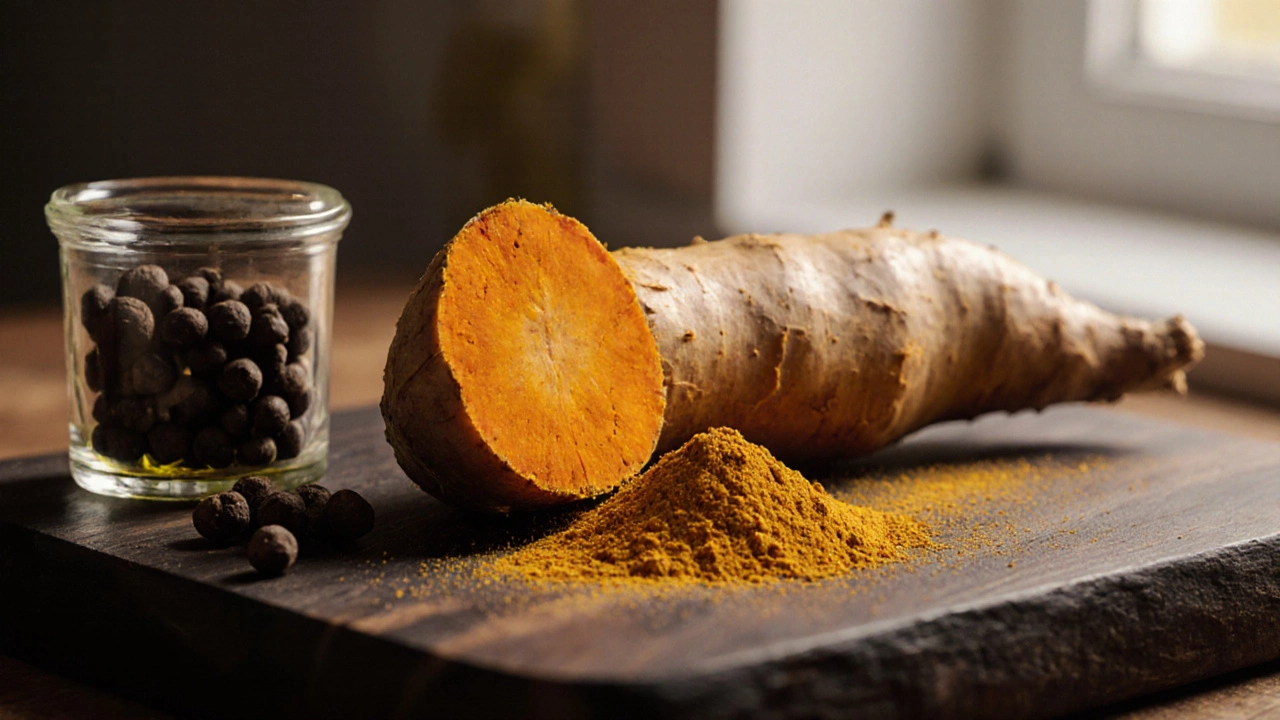
Top Anti-Inflammatory Food: The One Ingredient That Beats Inflammation
Discover why turmeric ranks as the top anti‑inflammatory food, how lentils boost the effect, and a simple dal recipe to fight chronic inflammation.
learn more