Gas in Indian Cooking: How Heat Shapes Flavor and Technique
When you cook Indian food, gas, the primary heat source in most Indian kitchens, controls how spices bloom, rice steams, and batter crisps. Also known as cooking gas, it’s not just fuel—it’s the silent partner in every tawa, kadhai, and dum pot. Unlike electric stoves that take minutes to respond, gas gives you instant control. Turn it down and the oil stops smoking. Crank it up and the dosa sizzles within seconds. That’s why generations of cooks in Mysore and beyond rely on it—not out of habit, but because it works.
Gas isn’t just about speed. It’s about precision. Making perfect biryani? The low, even heat from a gas flame lets the rice steam slowly without burning the bottom. Frying vadas? A strong gas flame gets the oil hot fast so they crisp up before soaking in grease. Even something as simple as toasting cumin seeds? Gas lets you watch them pop, smell them release oil, and turn them off the second they’re ready. Electric plates can’t do that. Induction can’t either. It’s the only heat source that lets you feel the food as it cooks.
And it’s not just about the stove. The gas cylinder, the standard fuel source in Indian homes, delivers consistent pressure that keeps flame steady. This reliability means your dosa batter ferments the same way every time, your curry simmers without scorching, and your paneer curdles evenly. Compare that to fluctuating grid power or uneven induction zones, and you see why gas stays king. Even in modern kitchens, the gas stove is where the real cooking happens.
Then there’s the dum cooking method, a slow, sealed technique used for biryanis and curries that depends on steady, gentle gas heat. You seal the pot with dough, light the gas low, and let the steam do the work. Too much heat and the rice turns mushy. Too little and the spices never bloom. Only gas gives you that fine control—enough to hold a simmer for hours without burning out. You’ll find this in nearly every post here: from the perfect rice timing in biryani to the crispness of a dosa, gas is the hidden variable.
What you’ll find below isn’t just a list of recipes. It’s a collection of stories where gas made the difference. Why your dosa turned soft? Probably not the batter—it was the flame. Why your curry curdled? Maybe the coconut milk hit a too-hot spot. Why your biryani tasted flat? The spices never got their moment over real gas heat. These posts don’t just tell you what to do—they explain why the heat source matters. And if you’ve ever wondered why your food doesn’t taste like the ones in South India, the answer might be sitting right under your stove.
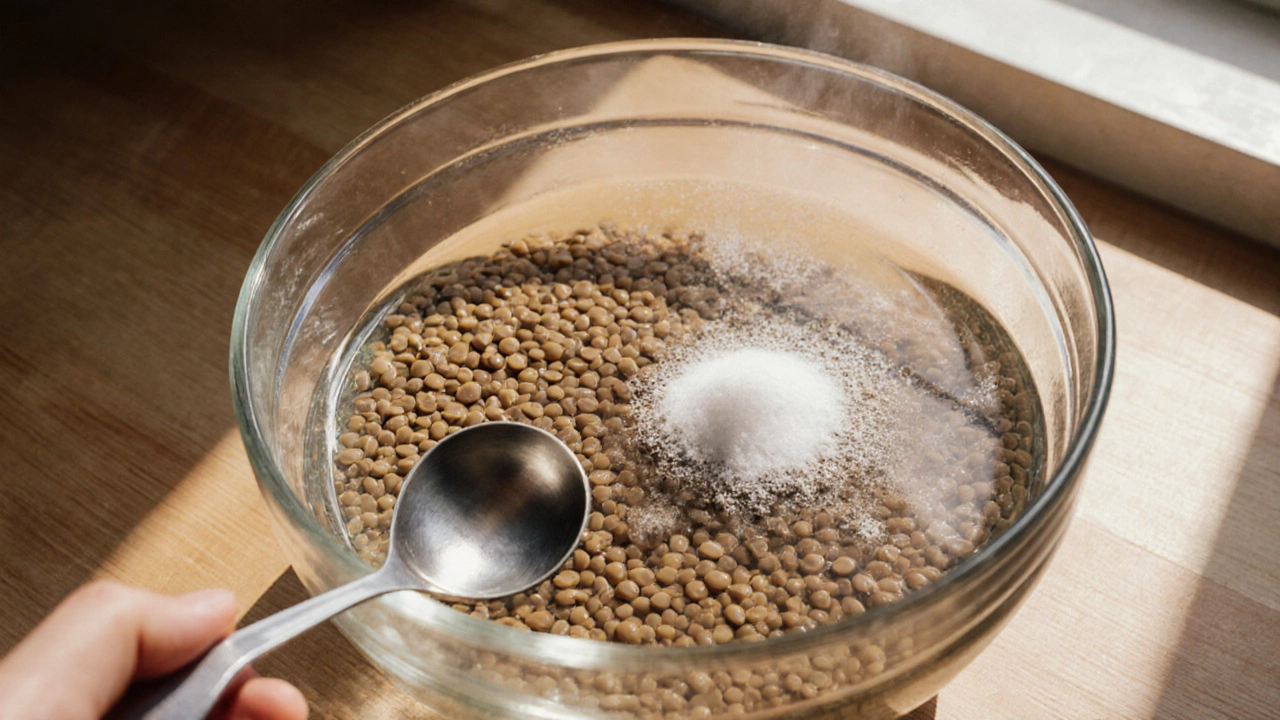
Remove Gas from Lentils - Simple Dal Tips for Flatulence‑Free Cooking
Learn proven steps to cut gas from lentils and enjoy flatulence‑free dal. Soaking, pressure cooking, and spice tips make meals easy on the stomach.
learn more