Garlic Substitutes: Best Alternatives for Indian Cooking
When you can’t use garlic, a pungent root widely used in Indian kitchens to build depth in curries, chutneys, and rice dishes. Also known as garlic clove, it’s the backbone of many South Indian spice bases—but not everyone can tolerate it. Whether you’re avoiding it for health reasons, dietary restrictions, or just ran out, you don’t need to sacrifice flavor. The truth is, Indian cooking has spent centuries mastering ways to replace garlic without losing its soul.
One of the most powerful asafoetida, a resinous gum derived from ferula roots, used in tiny amounts to mimic garlic’s umami punch in vegetarian and Jain dishes. Also known as hing, it’s the secret behind the deep, savory base in many Mysore-style dals and sambar. A pinch, fried in hot oil at the start, transforms plain lentils into something rich and complex. It’s not garlic—but it does what garlic does, without the smell lingering on your hands.
Then there’s shallots, a milder, sweeter cousin of onions that offers a gentler allium flavor when garlic is off-limits. Also known as choti pyaaz, they’re often used in South Indian tadkas and pickles. They don’t pack the same punch as garlic, but they bring a layered sweetness that works beautifully in biryani rice or yogurt-based marinades. If you’re making dosa batter or chutney and need a subtle background note, try a few finely minced shallots.
Don’t overlook onion powder, a dried, ground form of onions that delivers concentrated flavor without moisture or texture. Also known as dry onion, it’s perfect for spice blends where you want garlic’s role but can’t use fresh ingredients. It works in curry powders, roasted vegetable mixes, and even in chutneys where you want flavor without chunks. Just remember: it’s potent. Start with half a teaspoon and adjust.
Some people reach for ginger or celery seeds when garlic’s missing—but those are flavor shifts, not swaps. Ginger adds heat and brightness, celery seeds bring earthiness, but neither replicates garlic’s savory depth. Asafoetida, shallots, and onion powder? Those are the real stand-ins. They’re not just workarounds—they’re traditional tools. You’ll find them in the kitchens of families who’ve cooked without garlic for generations.
Look at the posts below. You’ll see how garlic substitutes show up naturally in recipes for dosa batter, biryani, and curry bases. No one’s pretending they’re the same. But they’re close enough to keep your food alive with flavor. Whether you’re avoiding garlic for digestion, allergies, or just preference, you’ve got options that won’t leave your meals flat. The real question isn’t what to replace it with—it’s which one works best for the dish you’re making right now.
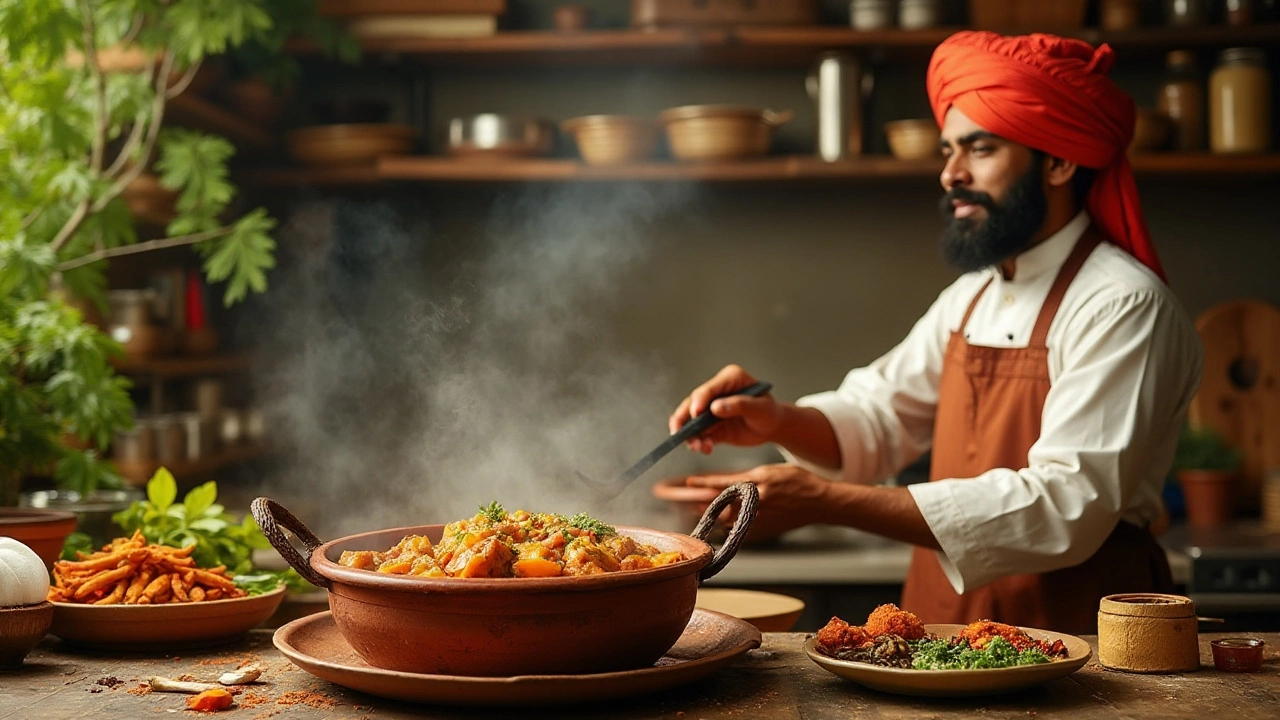
Exploring Garlic Substitutes in Indian Chicken Curry Recipes
Indian cuisine, known for its rich tapestry of flavors, often relies on garlic to provide depth to chicken curry dishes. However, there are occasions when garlic is avoided due to dietary, cultural, or health reasons. This article explores the intriguing world of garlic substitutes in Indian cooking. It offers insights into various spices and ingredients that can provide a similar aromatic profile, ensuring that your chicken curry remains flavorful and fragrant without the use of garlic.
learn more