Foodie State India: Discover the Real Flavors of South India's Culinary Heart
When people talk about the foodie state India, a term often used to describe the region with the most vibrant, diverse, and deeply rooted food culture in the country. Also known as South India, it's not just about spicy curries or sweet desserts—it's about how food is made, shared, and lived every single day. This isn't a label given lightly. It’s earned through generations of careful technique, local ingredients, and rituals around the kitchen that haven’t changed in centuries.
Think about what you eat in the morning. In South India, it’s likely dosa, a thin, crispy fermented rice and urad dal crepe that’s eaten with coconut chutney and sambar—not toast. Or maybe biryani, a layered rice dish cooked slowly with saffron, spices, and meat or vegetables, where every grain is separate and fragrant. These aren’t fancy restaurant dishes. They’re what millions eat for breakfast, lunch, and dinner. And the secret? It’s not in the spice level. It’s in the patience—the soaking, fermenting, toasting, and slow cooking that turns simple ingredients into something unforgettable.
You won’t find this kind of food in a vacuum. It’s tied to the land. Turmeric from the fields, coconut from the trees, lentils grown in dry soil, and rice harvested in monsoon-season paddies. Every dish tells a story. Why do you add lemon to biryani? Not just for taste—it keeps the rice from sticking, lifts the heavy spices, and makes the whole dish feel alive. Why is the ratio of urad dal to rice so exact for dosa? Because too little dal, and it won’t crisp up. Too much, and it turns gummy. These aren’t recipes—they’re rules passed down because they work.
And then there’s chutney. Not the store-bought kind. Real Indian chutney—made fresh with green chilies, tamarind, roasted peanuts, or coconut. It’s not a side. It’s the soul of the meal. You eat it with dosa, with idli, with samosas, even with plain rice. It’s the punch of flavor that balances the whole plate. And yes, it’s different from salsa. Salsa is chopped. Chutney is blended, roasted, fermented, or pounded. They’re cousins, not twins.
This collection doesn’t just show you recipes. It shows you why things are done the way they are. Why your dosa turns soft. Why your curry curdles when you add coconut milk. Why lentils make you gassy—and how to fix it. You’ll find the truth behind what Indians actually eat every day—not the Instagram versions, but the real, daily meals that feed the country. From the simplest poha to the layered biryani, from the disappearing sweet that tastes like cotton candy to the one vegetarian dish that dominates food delivery apps—this is the food that matters.
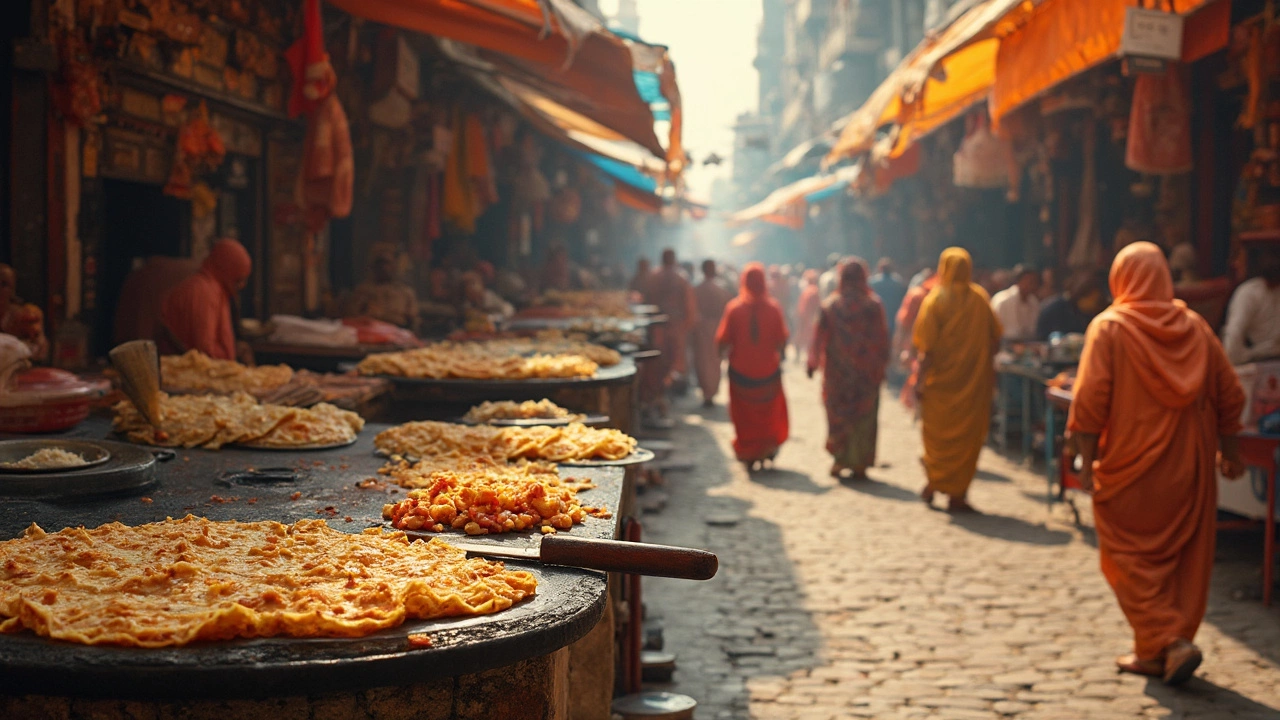
Which Indian State Takes the Crown for Quick Breakfast Delights?
India is a land of diverse flavors and breakfast here is no exception. Different states bring their unique twist to morning meals, making the quest for the most foodie state a delicious journey. From the rich parathas of Punjab to the light idlis of Tamil Nadu, each region offers something special. This article explores these culinary delights, uncovering the states that really shine in breakfast variety and popularity.
learn more