Food Safety Tips for Authentic Indian Cooking
When you cook Indian food at home, food safety tips, practical steps to prevent contamination, spoilage, and illness while preparing traditional dishes. Also known as kitchen hygiene for Indian meals, it’s not just about cleanliness—it’s about preserving flavor and protecting your health. Many people think Indian cooking is all about spices and time-consuming steps, but the real secret to great results? Safe handling from start to finish.
Take fermenting batter, the process of letting rice and urad dal mix sit to develop flavor and texture for dosas and idlis. If you leave it too long in a warm kitchen, it can turn sour or grow harmful bacteria. The right fermentation time—usually 8 to 12 hours—is a balance between taste and safety. Use clean containers, avoid metal bowls, and never reuse batter that smells off. Similarly, spice storage, how dried spices like turmeric, cumin, and coriander are kept to maintain potency and avoid mold matters more than you think. Moisture turns spices into breeding grounds for aflatoxins, which are linked to liver damage. Store them in airtight glass jars away from heat and sunlight. Don’t buy in bulk unless you use them fast.
Marinating chicken for tandoori? Don’t use aluminum bowls—they react with yogurt and lemon, creating toxic compounds. Glass or ceramic is safer. And when you’re making biryani or curry, never leave cooked food sitting out for more than two hours. Bacteria multiply fast in warm, moist environments. Reheat leftovers to at least 74°C (165°F) to kill any lurking germs. Even simple things like washing your hands before handling rice or rinsing lentils before cooking can prevent foodborne illness. You don’t need fancy gear—just clean surfaces, fresh ingredients, and a little awareness.
Indian sweets like jalebi or laddoo can last days if stored right, but leave them uncovered in humid air and they’ll turn sticky, moldy, or attract bugs. Keep them in sealed containers with a silica packet, or refrigerate if they contain dairy. And never mix old and new batches of chutney—contamination spreads fast. These aren’t just tips from a cookbook—they’re habits passed down by grandmothers who never had a fridge but still fed families without a single case of food poisoning.
What you’ll find below are real fixes from actual home cooks who’ve made these mistakes—and learned the hard way. Whether it’s why your dosa batter went bad, how to tell if your curry spices are still good, or what to do when chicken smells funny after marinating, every post here is a direct answer to a food safety question you didn’t know you had. No fluff. Just clear, tested advice to keep your kitchen safe and your food delicious.
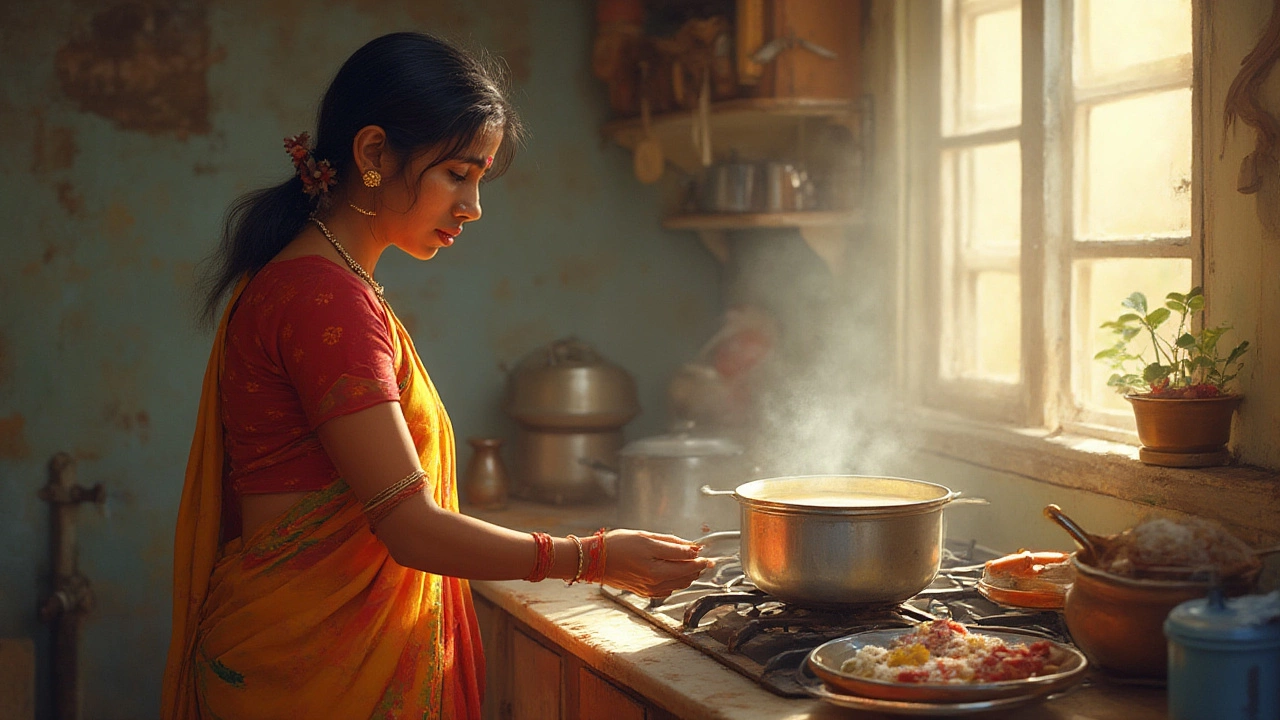
Is Making Paneer from Curdled Milk Safe? Expert Guide & Tips
Worried about those curdled milk leftovers? Find out if it’s safe for making homemade paneer, how to spot risks, and what to do next—all without kitchen guesswork.
learn more