Food Safety India: Safe Cooking Practices for Authentic Indian Meals
When you cook food safety India, the set of practices that prevent illness and contamination in Indian home kitchens. Also known as kitchen hygiene in South India, it’s not about fancy rules—it’s about how you handle rice, lentils, yogurt, and spices every day. If your dosa batter smells sour before it’s ready, or your tandoori chicken sits out too long, you’re not just risking flavor—you’re risking your health. Indian cooking relies on fermentation, slow cooking, and bold spices, but none of that matters if the basics aren’t clean.
food storage India, how Indian households keep ingredients fresh without refrigeration or with limited cooling is a skill passed down through generations. Think about how chutney stays good for weeks without preservatives, or why lentils are soaked overnight before cooking. It’s not magic—it’s control of temperature, moisture, and time. You don’t need a lab to practice safe cooking. Just use clean containers, avoid metal bowls for yogurt marinades, and never reuse oil that’s been fried twice. The same rules apply to your biryani rice: parboil it right, cool it fast, and store it cold. If your curry sits on the counter for hours, bacteria grow—even if it smells fine.
spice hygiene, keeping dried spices free from moisture, dust, and pests is often ignored. Turmeric, cumin, and coriander aren’t just flavor—they’re medicine. But if they’re stored in a damp cabinet or touched with wet hands, they turn into mold factories. Keep them in airtight jars, away from the stove, and label them with the date you opened them. Most Indian spices lose potency after six months. Old spice doesn’t just taste flat—it can carry harmful microbes.
Food safety in India isn’t about fear. It’s about respect—for the ingredients, the tradition, and your family’s health. The recipes below show you how to make dosa crispy, biryani fragrant, and chutney tangy without cutting corners. You’ll learn why some marinating mistakes lead to spoilage, how to tell if your sweet has gone bad, and why fermentation isn’t just about taste—it’s a natural preservation method. These aren’t abstract tips. They’re the quiet habits that keep millions of Indian kitchens running safely every day. What you’ll find here isn’t theory. It’s what works in real homes, from Mysore to Mumbai.

What Not to Eat in India: A Guide for Foreign Foodies
Navigating the culinary wonders of India can be a thrilling journey, especially with its rich and diverse food culture. However, for travelers, certain choices might need a second thought. From avoiding street food mishaps to understanding spicy dish nuances, knowing which Indian foods to skip can enhance your culinary exploration and keep any adverse experiences at bay.
learn more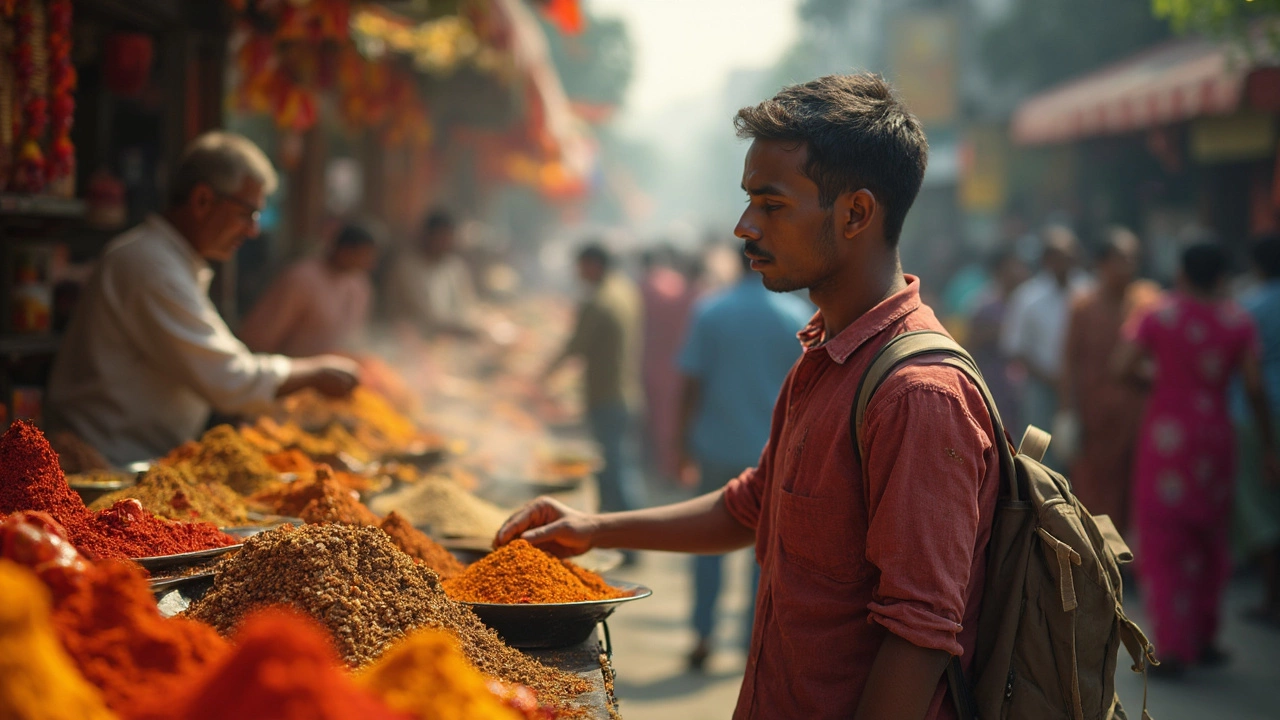
What Foods to Skip When Eating Street Food in India
Exploring the vibrant world of Indian street food is an experience like no other, but it comes with its share of challenges. Knowing what foods to avoid can save you from unwelcome food poisoning encounters. Learn which textures, smells, and food stalls to steer clear from so that your culinary adventure remains a highlight of your trip. From avoiding uncooked delicacies to identifying potentially harmful ingredients, a little caution goes a long way.
learn more