Food Safety in Indian Cooking: Safe Practices for Authentic Flavors
When you cook Indian food, food safety, the set of practices that prevent contamination and spoilage in food preparation. Also known as food hygiene, it’s not just about avoiding illness—it’s what keeps your biryani fragrant, your dosa crisp, and your chutney fresh. Skip it, and even the best spices turn into a risk. Many think food safety means sterile kitchens and lab coats, but in Indian homes and kitchens, it’s simpler: clean hands, proper storage, and knowing when something’s gone bad.
Take fermentation, a natural process used to make dosa and idli batter. Also known as natural leavening, it’s essential for flavor and texture. But if you leave batter out too long in a hot kitchen, or use a dirty container, bad bacteria take over. That’s why recipes stress soaking in clean water, using glass or stainless steel bowls, and checking for the right sour smell—not rot. Same goes for spice storage, how dried spices are kept to preserve aroma and potency. Keep turmeric, cumin, and coriander in airtight jars away from heat and light. Moisture turns them moldy. Sun-dried chilies? Store them dry. A damp kitchen is a recipe for spoilage, not flavor.
And what about marinating chicken? The tandoori chicken marinade, a yogurt-based mix that tenderizes and flavors meat. You might use a metal bowl because it’s handy—but acid in yogurt reacts with metal, leaching toxins and killing flavor. Use ceramic or glass. Same with sugar in marinades: too much and it burns before the chicken cooks through, creating harmful compounds. Food safety isn’t about fear—it’s about smart choices that protect your health and your taste buds.
You’ll find posts here that show you exactly how to handle dosa batter without letting it turn sour too fast, how to tell if your Indian sweets are still good, and why coconut milk curdles when added to hot curry. We’ll show you how to store chutneys so they last, how to prevent gas from lentils without losing flavor, and why lemon in biryani isn’t just for taste—it’s a natural preservative. Every tip here comes from real kitchens, tested by people who cook daily, not just once a year.
Food safety doesn’t mean complicated rules. It means clean tools, right temperatures, and trusting your senses. If it smells off, looks weird, or feels slimy—don’t eat it. That’s the only rule you need. Below, you’ll find clear, no-fluff guides that turn these basics into habits. No guesswork. Just safe, delicious food, every time.
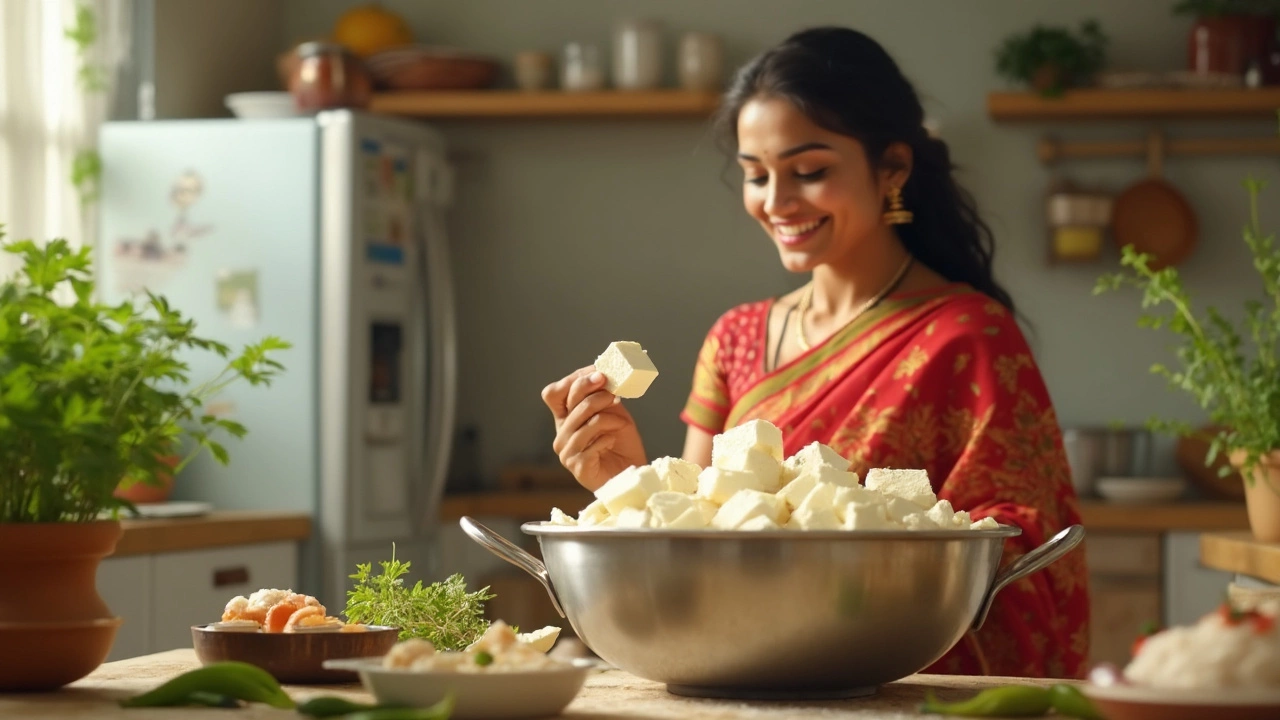
Can We Eat 10 Days Old Paneer? Homemade Paneer Safety Unpacked
Wondering if that 10 days old homemade paneer in your fridge is still safe to eat? This guide digs into how long homemade paneer really lasts, what risks come with eating old paneer, and how to spot spoiled cheese. Get the truth on keeping your paneer safe and tasty at home, plus smart tips for storing it longer.
learn more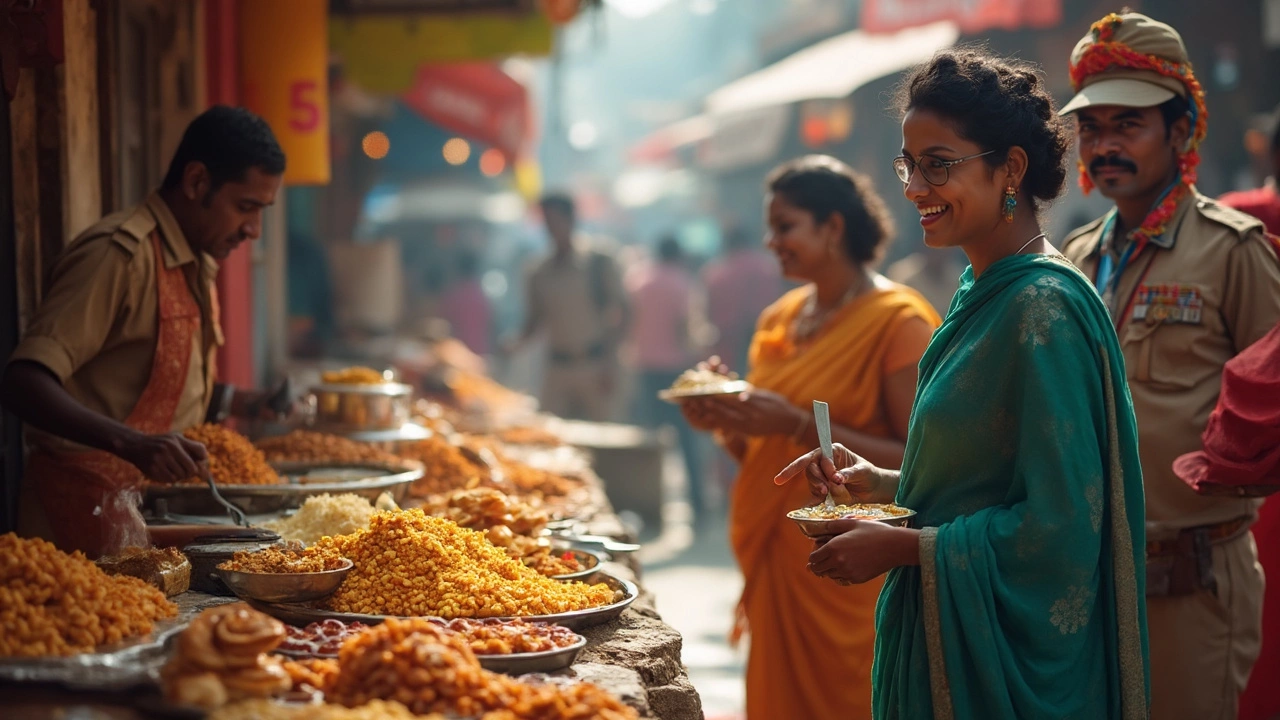
Is Street Food Illegal in India? What You Need to Know
Street food is a huge part of life in India, but many wonder if it’s actually legal. This article clears up confusion about the laws, explains where things get tricky for street vendors, and tells you why rules around cleanliness and licenses matter. You’ll learn some surprising facts about how cities deal with hawkers and what risks you might face as a customer. Plus, there are tips on how to enjoy street food safely and find the best eats without breaking any rules.
learn more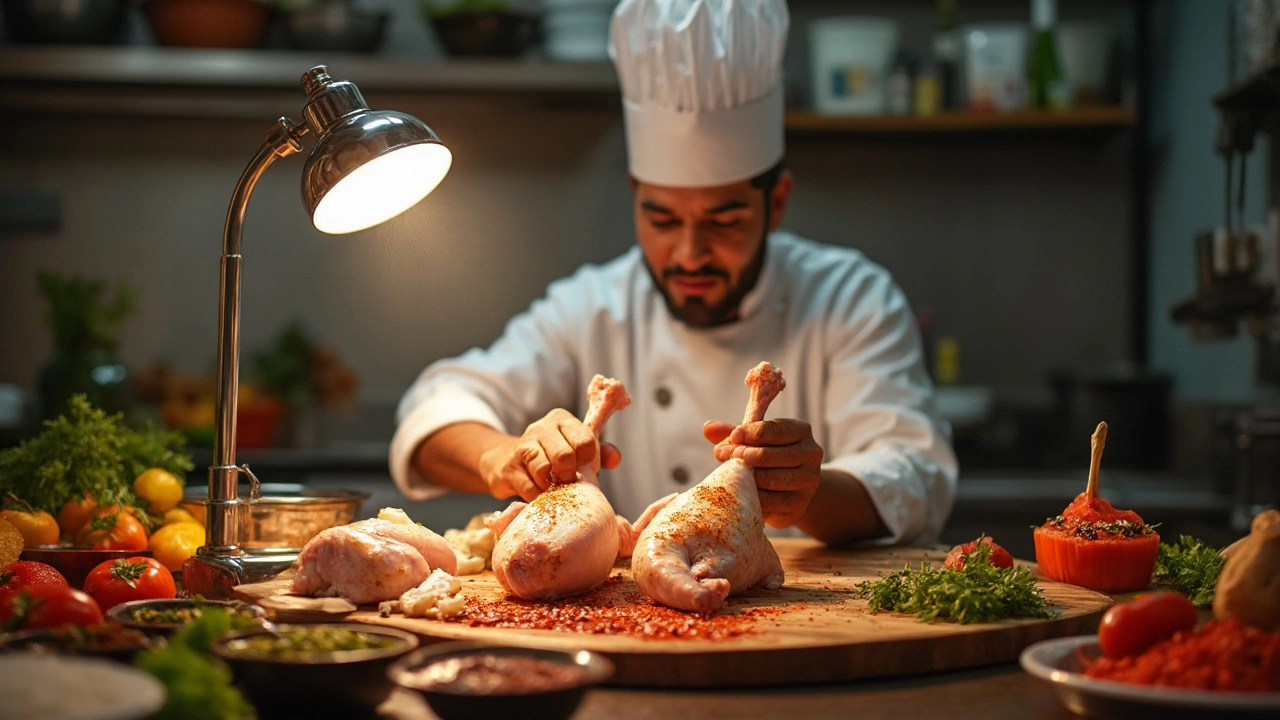
Parasites in Chicken Legs: What Every Home Cook Needs to Know
Wondering if chicken legs have parasites? This article breaks down the common parasites found in chicken legs, how they get there, and what actually happens when you cook them. Learn safe handling practices, smart shopping tips, and what to look for so your next batch of tandoori chicken is not just delicious—but safe too.
learn more
Can Two-Week-Old Dosa Batter Still Be Used?
Dosa batter is a versatile ingredient in many households, but what happens when it's two weeks old? If stored properly, it might still be usable, but there are some key signs to look out for before deciding to cook with it. This article explores how to determine if your dosa batter is still good, tips to enhance its longevity, and creative ways to use batter that has aged mildly. Dive into practical advice on handling and revitalizing old batter.
learn more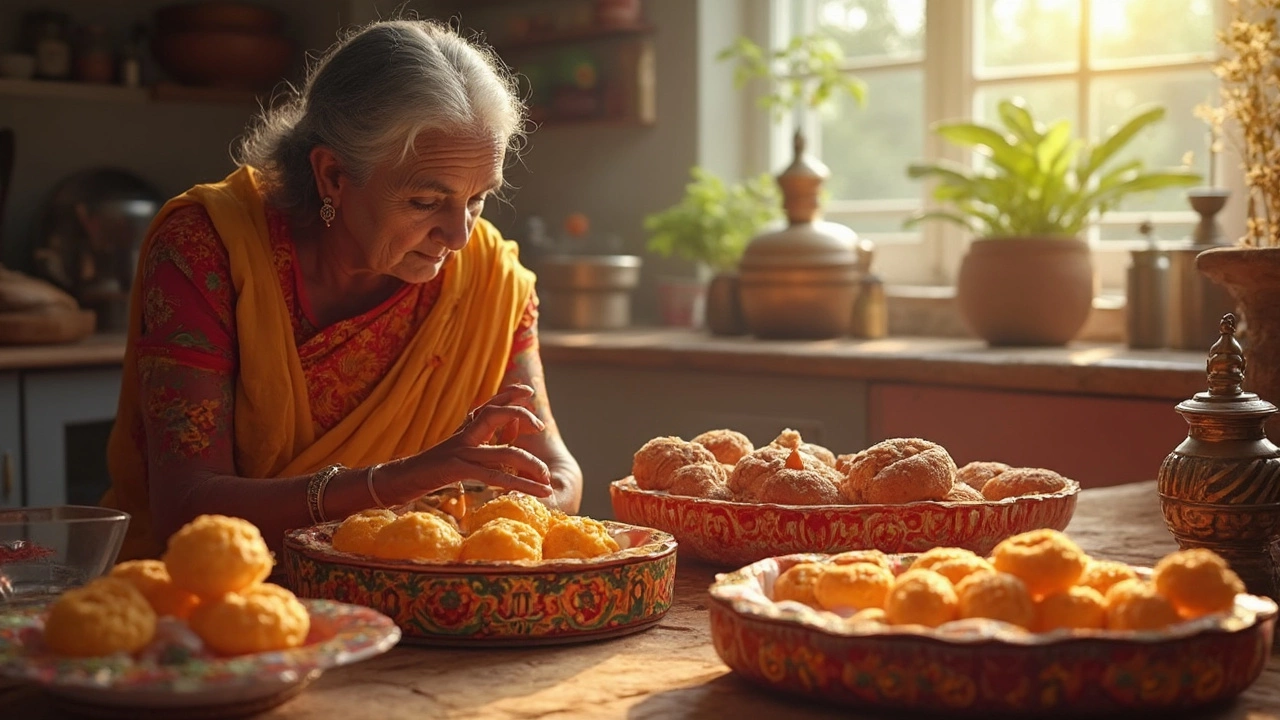
Can You Eat Sweets 2 Years Out of Date? A Look into Expiry Mysteries
Ever wondered what happens if those delicious Indian sweets in the back of your cupboard are still good after their expiry date? This article dives into the specifics of whether sweets can be safely eaten two years out of date. We explore the science behind expiration dates, what signs to watch for in spoiled sweets, and how traditional Indian ingredients affect longevity. Learn useful storage tips that may extend the sweets' shelf life.
learn more
Safe and Delicious: Navigating Street Food in India
Exploring street food in India is a delightful culinary adventure, yet safety should be your companion. This article provides practical tips for savoring the flavors of Indian streets without falling victim to common foodborne risks. Learn how to identify safe vendors, the importance of food freshness, and basic hygiene practices to adopt. With these insights, you can enjoy the country's vibrant food culture with confidence. Discover the balance between adventurous eating and caution as you tread through bustling markets.
learn more