Food Hygiene India: Safe Cooking Practices and Common Mistakes to Avoid
When it comes to food hygiene India, the set of practices that prevent contamination and illness from food in Indian homes and street stalls. Also known as kitchen sanitation, it's not about fancy equipment—it's about clean hands, proper storage, and knowing what not to do. Every day, millions eat dosa, biryani, and dal without a second thought—but behind those meals are choices that either protect health or risk it. Many assume that because food has been eaten the same way for generations, it’s automatically safe. That’s not true. A single mistake—like using a metal bowl for marinating yogurt, leaving cooked rice out overnight, or washing vegetables in dirty water—can turn a delicious meal into a health hazard.
Food contamination India, the presence of harmful bacteria, chemicals, or foreign materials in food, often comes from small, repeated oversights. Think about how many people use the same cloth to wipe counters, then dry their hands before handling raw chicken or dough. Or how often curry leftovers sit at room temperature for hours because "it’s just for a few hours." Studies from Indian public health departments show that over 60% of foodborne illness reports trace back to improper storage or cross-contamination in home kitchens. This isn’t about fear—it’s about awareness. You don’t need a lab to keep food safe. You just need to know what to avoid. For example, marinating tandoori chicken in a metal bowl isn’t just a flavor mistake—it’s a hygiene risk. Acidic yogurt reacts with metal, leaching particles into the meat and creating conditions where bacteria thrive. Fermenting dosa batter? If the container isn’t clean, wild yeasts and bad bacteria can take over, making the batter smell off and potentially unsafe. Even something as simple as how you store chutney matters. If you dip a wet spoon into it, you’re introducing moisture that invites mold. Indian sweets? They don’t last forever. Sugar attracts moisture, and moisture attracts microbes. Knowing shelf life and storage rules isn’t optional—it’s part of cooking.
Cooking hygiene, the daily habits that keep food preparation spaces and tools safe, is the quiet backbone of every great Indian meal. It’s not glamorous, but it’s what lets you enjoy paneer butter masala without worrying about stomach pain later. It’s washing your hands before touching rice, using separate cutting boards for raw meat and vegetables, and never reusing oil that’s been fried multiple times. These aren’t new rules—they’re old truths that got lost in the rush of modern life. The good news? Fixing them doesn’t take time or money. It takes attention. In the posts below, you’ll find real, practical fixes for everyday problems: how to stop your dosa batter from going bad, why lemon in biryani isn’t just for taste but also safety, how to store Indian sweets without mold, and why using the right bowl for marinades matters more than you think. These aren’t theory lessons. They’re the small, daily choices that keep your food safe, flavorful, and truly yours to enjoy.

Is It Okay to Eat Ice Cream in India? Street Food Safety Guide
Ice cream on Indian streets looks tempting, but is it safe to eat? This article breaks down what you need to know about hygiene, quality, and common risks. Learn how to spot the good spots and avoid sticky situations. Tips and facts included, straight from local experiences and real stories. Stay cool and make sure your treat is worry-free.
learn more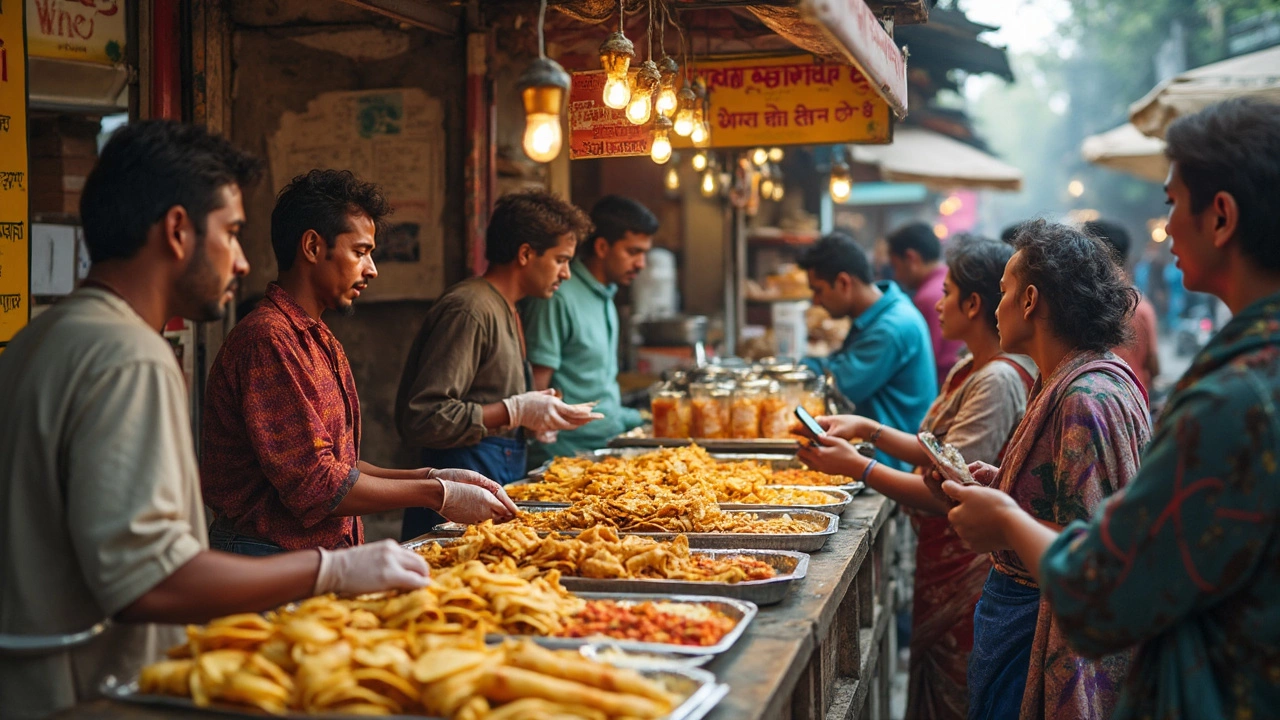
How to Avoid Getting Diarrhea in India: Vegetarian Dishes Edition
Tummy troubles can quickly ruin your trip to India, but they don’t have to if you know what to watch out for. This guide covers the smartest ways to enjoy vegetarian Indian dishes without risking a bout of diarrhea. Get tips on what to eat, what to skip, and how to spot safe street food stalls. Learn simple tricks for handling water and raw foods, straight from seasoned travelers. Worried about spice, cleanliness, or tricky restaurant menus? Here’s how to stay healthy and enjoy every bite.
learn more