Fluffy Rice: How to Get Perfect Grains Every Time
When you think of fluffy rice, a light, separate, non-sticky grain that holds its shape after cooking. Also known as separate rice, it’s the foundation of dishes like biryani, pulao, and even simple meals served with dal or curry. It’s not just about taste—it’s texture that makes a meal feel complete. You can have the best spices, the richest gravy, but if the rice is clumped or soggy, the whole dish falls apart.
Getting fluffy rice isn’t luck. It’s science. Basmati rice, the star in most South Indian and North Indian recipes, needs the right soak time, the correct water ratio, and precise parboiling. Too little water? Hard centers. Too much? Mushy mess. Boil it too long? It turns to paste. The magic window for parboiling biryani rice is just 7 to 8 minutes—long enough to start cooking through, short enough to keep each grain intact. This is why recipes like How Long to Boil Rice for Biryani stress timing so hard. It’s not optional. It’s non-negotiable.
And it’s not just about boiling. The type of pot, the heat level, even the rinse matters. Rinsing removes excess starch—starch is what makes rice sticky. Soaking for 30 minutes lets grains absorb water evenly so they cook uniformly. Skip any of these steps, and you’re gambling with your rice. That’s why Why Do We Add Lemon in Biryani? also ties in: lemon juice doesn’t just add tang. It helps break down starch slightly, keeping grains separate and bright. It’s a tiny trick with a big effect.
Fluffy rice also connects to other staples you see in these posts—like dosa batter. The same principle applies: fermentation and texture control. If your dosa isn’t crispy, it’s because the batter’s too thick or under-fermented. Same with rice: if it’s not fluffy, something’s off in the prep. You can’t fix bad rice with sauce. You fix it before it hits the pot.
You’ll find real fixes here—not guesses. No "add a pinch of this" myths. Just clear, tested steps: how much water, how long to soak, what heat to use, and what to avoid. Whether you’re making biryani for a crowd or just a simple side for dal, getting rice right changes everything. The posts below give you the exact methods people use in Mysore kitchens—no fancy tools, no confusing steps. Just rice that lifts off the spoon, not the plate.
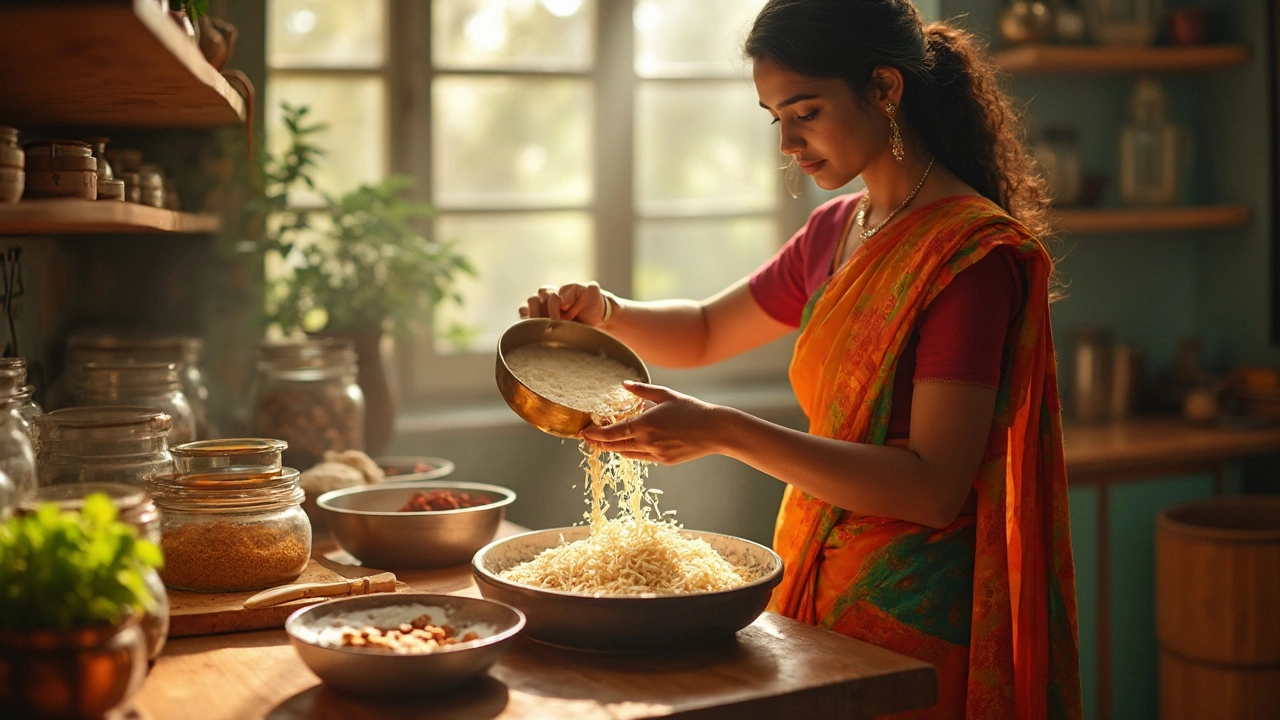
How Long Should I Soak Basmati Rice Before Cooking? Get Perfect Biryani Every Time
Wondering if soaking basmati rice really makes a difference? This article explains exactly how long you should soak it for biryani, why it matters, and what to expect if you skip the step. Learn science-backed tips to avoid mushy or clumpy rice, and find out a few hacks when you’re short on time. Master your rice texture for biryani—never guess again about soaking times.
learn more