Fluffy Dosa: How to Get Perfect Texture Every Time
When you bite into a fluffy dosa, a thin, light South Indian fermented crepe made from rice and urad dal. Also known as soft dosa, it’s the kind that puffs up like a cloud when it hits the hot griddle—crispy on the edges, tender inside, and perfect for scooping up chutney or curry. Too many people end up with flat, rubbery dosas because they skip the basics. It’s not about fancy tools or expensive ingredients. It’s about the batter, the wait, and the heat.
The secret to fluffy dosa starts with the urad dal to rice ratio. Most recipes get it wrong—too much rice, not enough dal. The magic number is 1:3. That’s one part fermented urad dal to three parts soaked rice. Urad dal is the powerhouse here. It’s what gives the batter lift. Without enough of it, your dosa won’t rise. Then comes fermentation. You can’t rush this. Cold kitchen? Leave it overnight. Warm climate? Four to six hours might be enough. If your batter doesn’t double in size and smells slightly sour, it’s not ready. Skip this step, and you’re just making rice pancakes.
Another thing people mess up? The pan. A cold or poorly seasoned griddle is the #1 reason dosas stick and stay soft. Heat it until a drop of water sizzles and dances. Then pour the batter from the outside in, using the back of a ladle to spread it thin. No oil at first—just the heat. Let it cook until the edges curl and the top looks dry. That’s when you drizzle oil around the edges. Flip if you want, but most Mysore-style cooks leave it as is—just crispy, golden, and full of air pockets.
You’ll find posts here that explain why your batter doesn’t ferment, how to fix soggy dosas, and what happens when you use a metal bowl instead of plastic or ceramic. We’ve got the real fixes—not guesses. No fluff. Just what works, based on decades of home cooking in Karnataka. Whether you’re trying to recreate your grandma’s dosa or just want to stop wasting batter, this collection gives you the exact steps that make the difference.
And if you’ve ever wondered why some dosas puff up like balloons while others stay flat as paper, it’s not luck. It’s science. It’s the right mix of starch, protein, and time. The posts below break it all down—no jargon, no nonsense. Just clear, simple answers so your next batch turns out exactly how it should: light, crisp, and delicious.
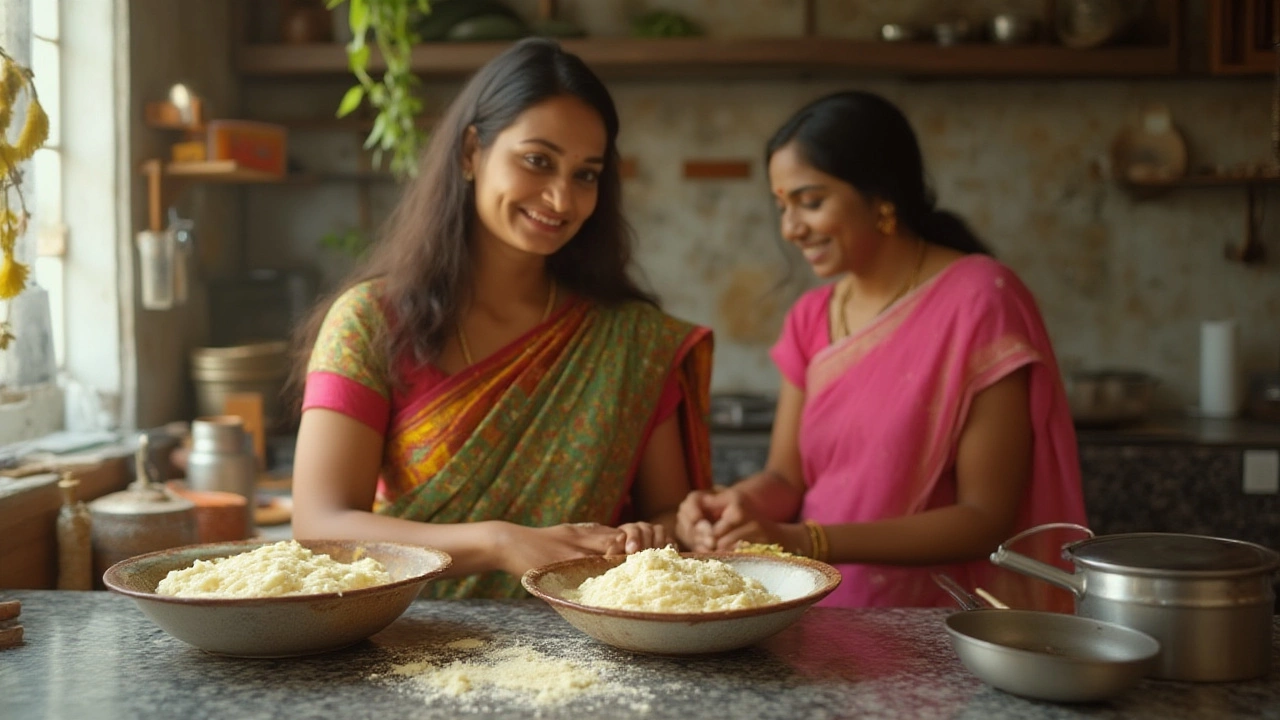
Why Is My Dosa Batter Not Fluffy? Proven Tips for Perfect Batter Every Time
Struggling with flat dosas? Discover why your dosa batter isn’t fluffy, learn step-by-step fixes, and get expert tips for consistently airy, crispy dosas at home.
learn more