Flour in Indian Cooking: Types, Uses, and How It Shapes Everyday Dishes
When you think of flour, a ground powder made from grains, legumes, or roots used as a base for breads, batters, and thickeners in cooking. Also known as atta, it's not just one thing—it’s a whole family of ingredients that define how India eats every day. In Mysore and across South India, flour isn’t just a pantry staple—it’s the foundation of breakfasts, snacks, and meals that have fed families for generations. From the thin, crispy dosa batter, a fermented mix of rice and urad dal flour that turns golden on a hot griddle to the soft, round roti, a simple flatbread made from whole wheat flour and water, cooked over an open flame, flour shapes texture, flavor, and even the rhythm of daily life. You won’t find a single Indian kitchen without at least two kinds of flour on the shelf, and often more.
Not all flour works the same. Rice flour gives dosas their crispness, while urad dal flour adds airiness and helps fermentation. Whole wheat flour holds together roti and paratha, but it won’t make a crispy bonda. Even coconut flour and chickpea flour show up in regional dishes—each bringing its own texture and nutritional profile. The right flour isn’t just about taste; it’s about science. Too much rice flour in dosa batter? It won’t ferment right. Too little urad dal? Your dosa turns brittle instead of fluffy. And if you’re using the wrong flour for your chappati, you’ll end up with a crumbly mess instead of a soft, pliable bread. These aren’t small details—they’re the difference between a meal that satisfies and one that falls apart.
What you eat for breakfast in India often starts with flour. Idli, dosa, poha, upma—all rely on flour blends you can make at home. Even sweets like mysore pak use gram flour to create that melt-in-your-mouth texture. The posts below show you exactly how these flours behave, what happens when you swap them, and how to fix common mistakes like soft dosas or dense rotis. You’ll learn why fermentation matters, how soaking changes flour’s behavior, and which combinations actually work. No guesswork. No store-bought mixes. Just the real, tested ways Indian kitchens use flour to turn simple ingredients into unforgettable meals.
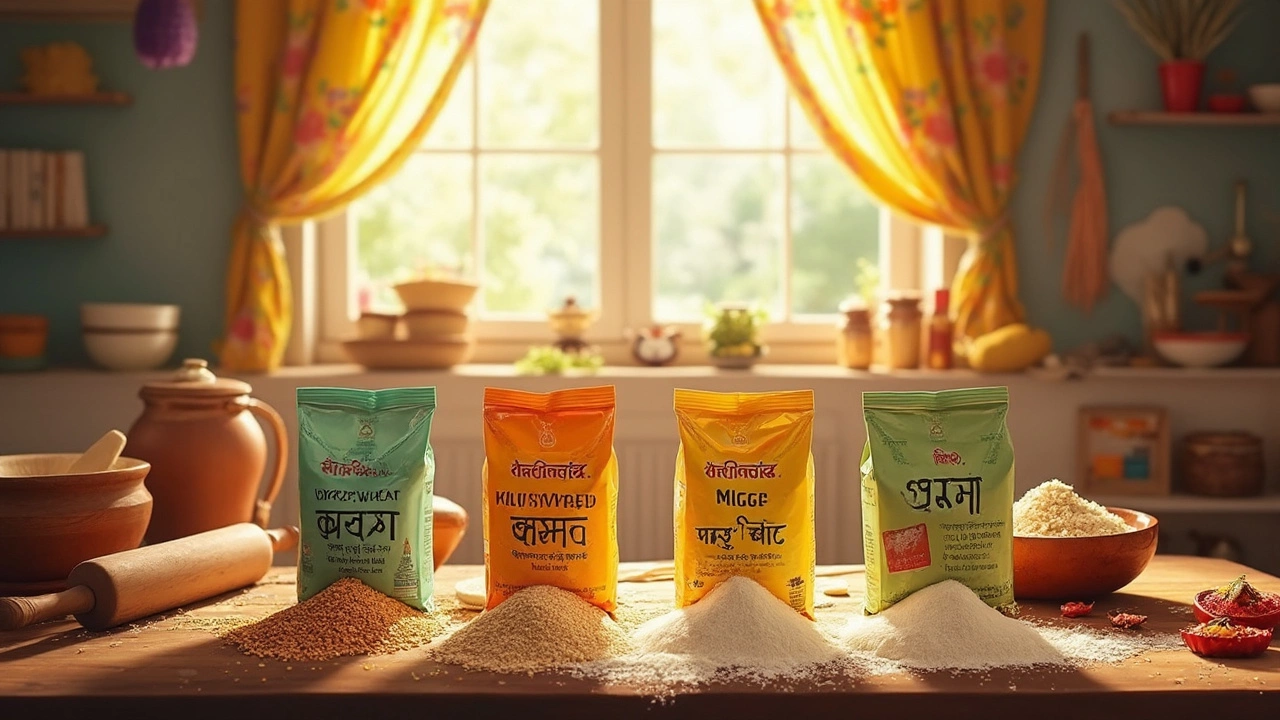
Best Flour for Roti: A Practical Guide
Choosing the right flour can make all the difference in your roti-making experience. From traditional whole wheat to gluten-free options, each type of flour brings unique qualities to your dough. Understanding the properties of different flours can help you achieve the perfect texture for your rotis. Knowing what works best with your cooking style and taste preferences is key. Let's explore which flour suits your roti-making needs.
learn more