Flavors of Mysore: Discover the True Taste of South Indian Cooking
When you think of flavors, the deep, aromatic, and layered taste profiles that define regional Indian cooking. Also known as Indian taste profiles, it is what turns simple ingredients like rice, lentils, and spices into meals that stick with you long after the plate is empty. This isn’t about heat alone—it’s about balance. A drop of lemon in biryani, the tang of fermented dosa batter, the earthiness of turmeric in curry, the sweetness of coconut milk folded in just right—these aren’t random choices. They’re traditions passed down because they work.
Flavors in Mysore cooking don’t come from one spice. They build. You start with mustard seeds popping in hot oil, then add curry leaves, dried red chilies, and asafoetida. That’s your base. Then come onions, garlic, ginger—sometimes blended, sometimes chopped. Turmeric gives color, cumin adds warmth, and coriander brings freshness. And then there’s chutney, a living condiment that changes the whole meal. Also known as Indian dipping sauce, it’s not an afterthought—it’s the punchline. Coconut chutney with dosa. Tomato chutney with idli. Mint-cilantro with samosas. Each one is made fresh, each one is different, and each one lifts the dish it’s served with. Then there’s biryani, a layered rice dish where every grain is infused with spice, ghee, and slow-cooked magic. Also known as Indian rice feast, it doesn’t just taste good—it smells like home. The trick? Not just the spices, but how they’re layered, sealed, and steamed. That’s where flavor becomes memory. And let’s not forget dosa, the crispy fermented crepe that’s the backbone of South Indian breakfasts. Also known as South Indian pancake, its magic lies in the batter’s fermentation—how the wild yeast wakes up the rice and urad dal, turning them into something airy, golden, and perfectly crisp. Get the ratio wrong, skip the soak, or use a cold pan, and you lose the soul of it.
What you’ll find here isn’t a list of recipes. It’s a guide to understanding why things taste the way they do. Why lemon is non-negotiable in biryani. Why your dosa turns soft. Why chutney isn’t just salsa with a different name. Why turmeric isn’t just yellow—it’s medicine, flavor, and color all at once. These posts cut through the noise. No fluff. No guesswork. Just clear, practical answers from someone who’s cooked these dishes for years. Whether you’re trying to fix a soggy dosa, balance spice in curry, or finally nail that perfect biryani, the answers are here. No fancy tools. No hard-to-find ingredients. Just real food, made right.
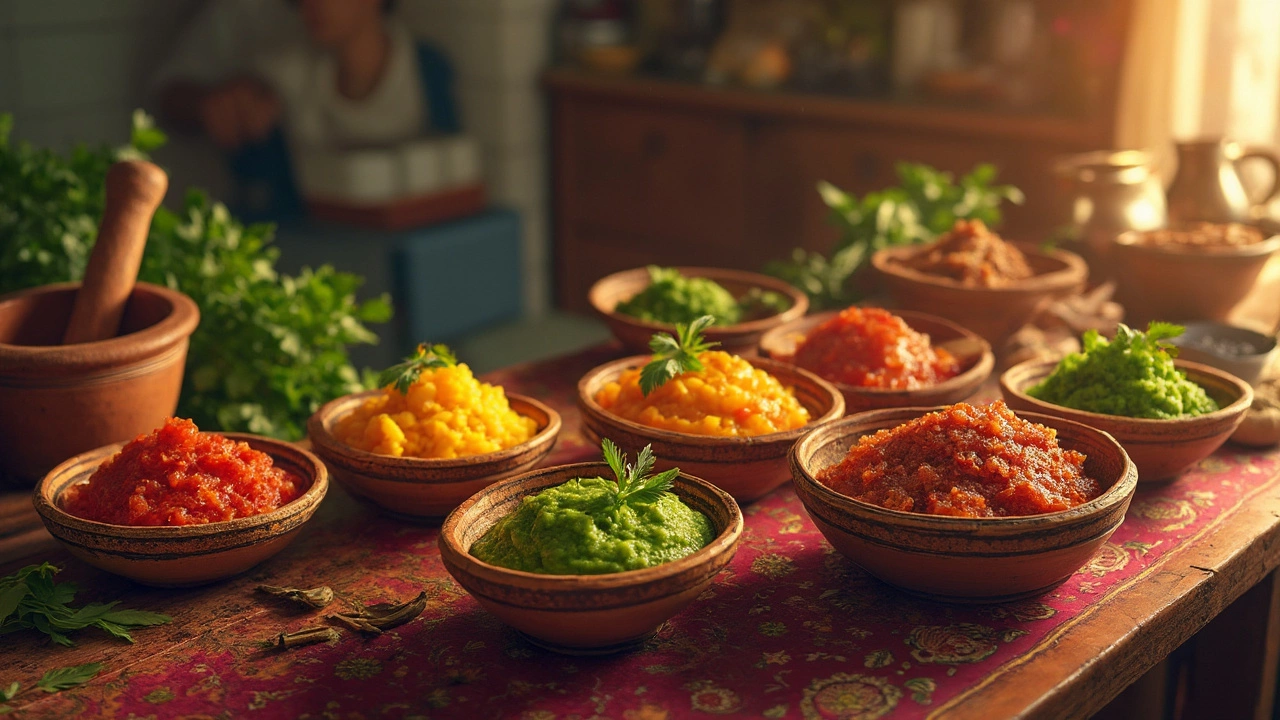
Is Chutney Always Spicy? Unravel the Flavorful Mystery
Chutney is a staple in many cuisines, known for its wide range of flavors and not just its spiciness. While often associated with heat, chutneys come in various profiles, including sweet, tangy, and mild. This article explores the different types of chutney, providing tips on how to balance flavors and create your own unique blend at home. Discover how chutneys can transform any dish with their versatile and flavorful touch.
learn more